
blog
Bentellect: A Complete Guide to Understanding Bentellect Online


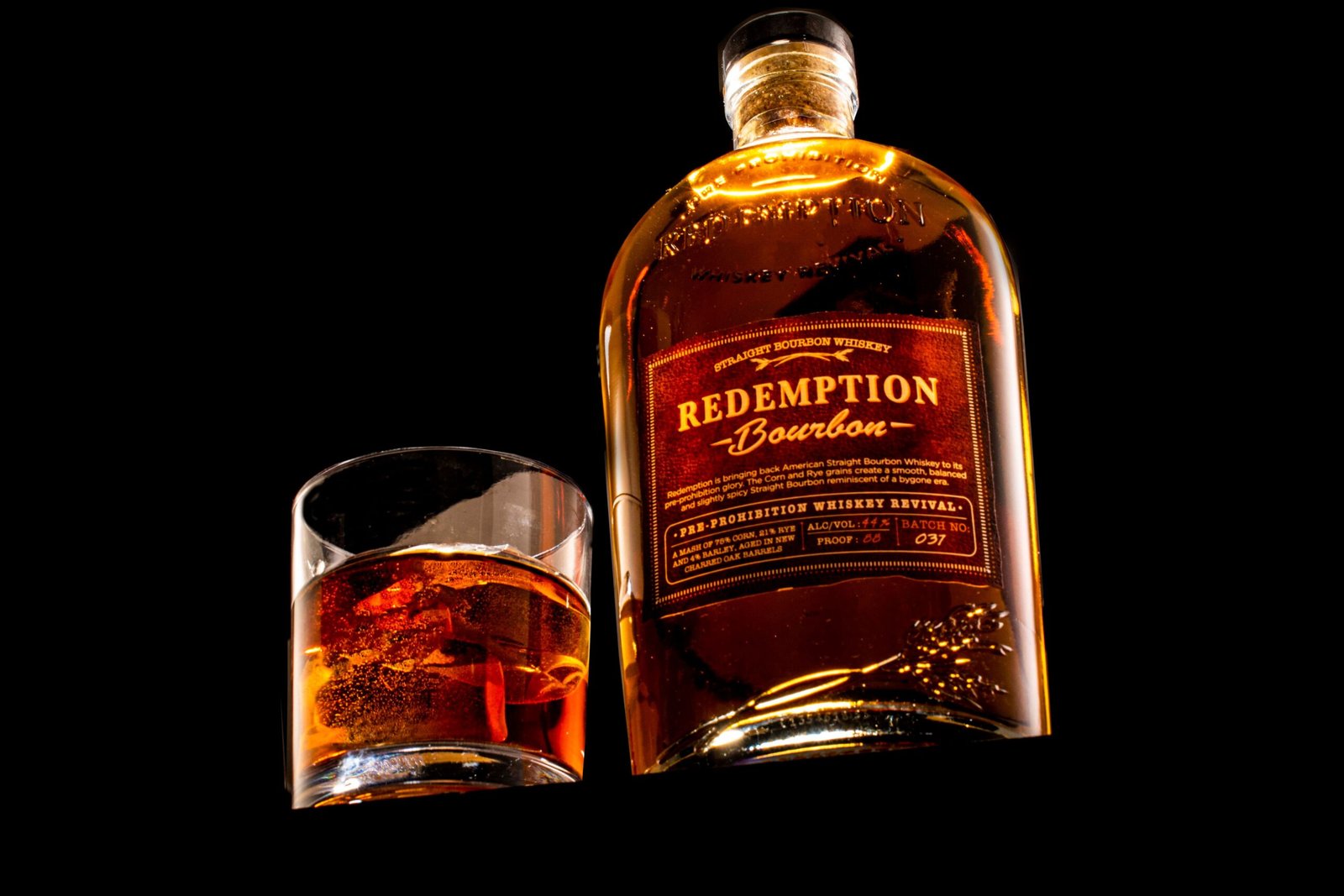
Bourbon Maker’s Mark is one of the most recognizable names in American whiskey, distinguished not only by its distinctive bottle and hand-dipped red wax seal but also by the production choices that shape its flavor. Made at the Maker’s Mark distillery in Loretto, Kentucky, the classic expression is a Kentucky Straight Bourbon bottled at 90 proof, or 45% alcohol by volume. Unlike many traditional bourbon recipes that rely on rye for their secondary grain, Maker’s Mark uses soft red winter wheat, a choice the brand says contributes to its softer, sweeter character and helps distinguish it from more rye-forward bourbons.
For people searching for bourbon Maker’s Mark, there is much more to discover than the famous red wax. The brand has a history that goes back to the early 1950s, when Bill Samuels Sr. began developing a bourbon based on his own preferred flavor profile. The story includes the famous decision to abandon the family’s old recipe, the adoption of red winter wheat, the creation of the Maker’s Mark name and bottle design by Margie Samuels, and a production process that continues to emphasize hands-on craftsmanship.
What Is Bourbon Maker’s Mark?
Maker’s Mark is a Kentucky Straight Bourbon produced at the Maker’s Mark distillery at Star Hill Farm in Loretto, Kentucky. The classic Maker’s Mark expression is bottled at 90 proof and is described by the brand as having aromas of sweet oak, vanilla, bright fruit, and wheat, followed by a sweet palate containing oak, vanilla, and fruity notes. The finish is described as smooth and creamy with soft spice.
The word “bourbon” has an important meaning here. Bourbon is an American whiskey category with specific production requirements, while “Kentucky bourbon” identifies bourbon associated with Kentucky, one of the most famous whiskey-producing regions in the United States. Maker’s Mark has built its identity around Kentucky craftsmanship and the environment surrounding its distillery, including the limestone-filtered water associated with its Star Hill Farm location.
One of the most important characteristics of Maker’s Mark is that it is a wheated bourbon. Wheat is used instead of the rye commonly found in many bourbon recipes. According to Maker’s Mark, Bill Samuels Sr. chose soft red winter wheat because he wanted a bourbon that was less bitter and sharp, helping establish the smoother, sweeter profile associated with the brand.
The History of Maker’s Mark Bourbon
The story of Maker’s Mark begins with Bill Samuels Sr., who wanted to create a bourbon that matched his own taste. According to the brand’s history, he started the new distillery at the current location in 1952. In 1953, he famously burned the family’s old recipe and began working toward a different style of bourbon. Around the same period, Margie Samuels developed the Maker’s Mark name, bottle design, label, and signature red wax concept.
The first bottle was completed and hand-dipped in 1958, establishing one of the visual traditions that still defines the brand. Maker’s Mark subsequently gained wider attention, including a 1980 Wall Street Journal article that helped introduce the brand to a larger audience. The family continued to play important roles in the company, with Bill Samuels Jr. taking stewardship in 1975 and Rob Samuels later taking over from his father in 2011.
The history is significant because Maker’s Mark was built around a particular philosophy rather than simply trying to reproduce an existing bourbon style. The decision to use soft red winter wheat became central to the brand’s identity, while the emphasis on hand-dipping bottles, rotating barrels, and tasting bourbon for readiness helped establish the craft-oriented image that Maker’s Mark maintains today.
What Makes Maker’s Mark a Wheated Bourbon?
The term wheated bourbon is one of the most useful phrases to understand when researching bourbon Maker’s Mark. In a bourbon recipe, different grains contribute different characteristics to the finished spirit. Maker’s Mark uses soft red winter wheat in place of rye as its flavoring grain, and the company identifies this ingredient as a major reason for the bourbon’s softer and sweeter character.
The result is a bourbon profile that emphasizes sweetness, vanilla, fruit, oak, and gentle spice rather than making a strongly peppery or spicy rye character the central feature. Maker’s Mark describes its classic bourbon as smooth, full-bodied, and balanced, with bright cherry, delicate vanilla, caramel, and soft spice among its flavor characteristics.
This does not mean that Maker’s Mark has no spice or oak character. Bourbon still spends time in charred oak barrels, and the interaction between the spirit and wood contributes significantly to its final flavor. Instead, the wheat helps create a particular balance in which sweetness and softness remain prominent.
How Is Maker’s Mark Bourbon Made?
The production process is an important part of understanding why Maker’s Mark bourbon tastes the way it does. The company states that its bourbon-making process includes fermentation, double distillation in copper column stills, barrel aging, and finishing. The distillery also emphasizes ingredients and processes that have remained part of its approach for decades.
Water is another important part of the process. Maker’s Mark says the limestone surrounding its Star Hill Farm location naturally filters the water and provides calcium- and magnesium-rich water used in its sour mash. The company also maintains an heirloom yeast strain that it says has been used in producing Maker’s Mark for more than 60 years.
After fermentation, Maker’s Mark uses copper column stills in a double-distillation process. The company says this process removes most impurities and produces a refined spirit suitable for further maturation. The bourbon then enters new charred oak barrels, where the interaction between the spirit and wood develops important characteristics such as vanilla, caramel, oak, and other flavors.
Why Does Maker’s Mark Have a Red Wax Seal?
The red wax is perhaps the most recognizable feature of Maker’s Mark. Each bottle is hand-dipped in the brand’s distinctive red wax at the distillery. This practice is not simply a modern marketing feature; it is part of the brand’s history and visual identity dating back to the earliest bottles.
The bottle and label design were closely associated with Margie Samuels, who helped establish the distinctive presentation of the brand. Maker’s Mark continues to emphasize the handmade nature of the bottle finish, making the wax seal one of the easiest ways to recognize the bourbon on a shelf.
The hand-dipping also reinforces the broader philosophy behind Maker’s Mark. Rather than relying entirely on automated production for every visible detail, the brand has retained certain manual processes as part of its identity. This contributes to the distinctive appearance of individual bottles while connecting modern Maker’s Mark products with the company’s early history.
Maker’s Mark Flavor Profile
For anyone researching a Maker’s Mark bourbon review, flavor is naturally one of the most important areas to consider. The classic Maker’s Mark Kentucky Straight Bourbon is described by the producer as having sweet oak, vanilla, bright fruit, and wheat aromas. On the palate, it combines sweetness with oak, vanilla, and fruit, followed by a smooth and creamy finish with soft spice.
These characteristics make Maker’s Mark relatively approachable for drinkers who prefer bourbon with noticeable sweetness and a rounded profile. The combination of wheat, oak maturation, caramelized wood sugars, and fruit and vanilla notes creates a style that can work in several different drinking formats.
Flavor can also change depending on how the bourbon is served. Drinking it neat allows the aroma and palate to be experienced without dilution. Adding a small amount of water can alter the aroma and mouthfeel, while serving it over ice introduces gradual dilution and chilling. In cocktails, bourbon becomes part of a larger flavor combination, making Maker’s Mark particularly useful in classics such as a Whisky Sour.
Maker’s Mark Proof and Alcohol Content
The classic Maker’s Mark Kentucky Straight Bourbon is 90 proof, equivalent to 45% alcohol by volume. This specification is listed by Maker’s Mark for its standard expression.
It is important to distinguish the classic bottle from other Maker’s Mark expressions because the brand produces several bourbons at different proofs and with different finishing methods. For example, Maker’s Mark 46 is listed at 94 proof, while its Cask Strength expression is bottled at a substantially higher proof that varies by release.
When comparing bottles, checking the specific expression and proof is therefore useful. Two bottles carrying the Maker’s Mark name can provide noticeably different experiences because proof, maturation, and finishing can all influence the intensity of the final bourbon.
Maker’s Mark vs. Maker’s Mark 46
One of the most frequently discussed comparisons is Maker’s Mark vs. Maker’s Mark 46. The original Maker’s Mark is a 90-proof Kentucky Straight Bourbon with a relatively soft and balanced profile, while Maker’s Mark 46 is a 94-proof French-oaked bourbon designed to add greater depth and intensity.
Maker’s Mark 46 begins with fully matured Maker’s Mark and undergoes an additional finishing process involving ten specially seared French oak staves. According to the brand, this creates additional layers of flavor, including vanilla, caramel, baking spice, and deeper oak characteristics. The number 46 refers to the stave profile designated as “Stave Profile No. 46.”
This makes Maker’s Mark 46 an interesting extension of the original bourbon rather than simply a different label. The underlying Maker’s Mark identity remains important, but the French oak finishing adds another dimension to the flavor profile.
Maker’s Mark Cask Strength
For bourbon enthusiasts interested in a more concentrated expression, Maker’s Mark Cask Strength offers a different experience from the standard bottle. Maker’s Mark describes its Cask Strength bourbon as a barrel-proof expression designed to showcase more intense versions of its signature flavors. The brand’s current information describes characteristics including dark cherry, toasted oak, salted caramel, vanilla, dark chocolate, and soft spices.
Maker’s Mark also notes that its Cask Strength releases can vary from batch to batch. That variation is natural for a product bottled at its natural proof rather than reduced to the standard proof of the classic expression. For drinkers accustomed to 90-proof bourbon, the higher alcohol concentration can make the flavors feel more powerful and the finish warmer.
Ways to Drink Maker’s Mark Bourbon
There are several traditional ways to enjoy Maker’s Mark. Drinking it neat is one of the simplest approaches because there is no ice or mixer changing the original flavor. This allows drinkers to focus on the aroma, sweetness, oak, vanilla, fruit, and finish described for the classic expression.
Serving Maker’s Mark on the rocks is another popular option. Ice lowers the temperature and gradually adds water as it melts, changing the mouthfeel and intensity over time. This can make the bourbon feel lighter and more refreshing while still preserving much of its character.
Maker’s Mark can also be used in cocktails. The brand specifically lists the Whisky Sour among the classic ways to enjoy its bourbon. Its bourbon collection also includes cocktail recipes and other serving ideas, demonstrating how the spirit can be used as a base for both classic and contemporary drinks.
Maker’s Mark Distillery and Star Hill Farm
The Maker’s Mark distillery is located in Loretto, Kentucky, at Star Hill Farm. The site is closely connected with the brand’s history and production philosophy, and Maker’s Mark describes the location as the home of its whisky-making operation.
The distillery experience is also part of the brand’s identity. Visitors can learn about the history of the Samuels family, the production process, the bourbon itself, and the surrounding property. The company describes Star Hill Farm as a place where visitors can explore the source of Maker’s Mark and experience aspects of its whisky-making traditions.
For bourbon enthusiasts, a distillery visit can provide useful context because many of the production details that appear abstract when reading about bourbon become easier to understand when viewed in person. The barrels, stills, warehouses, water source, and surrounding landscape all help explain the connection between place and bourbon production.
Maker’s Mark Bourbon Collection
The classic Maker’s Mark bottle is only part of the wider portfolio. The current Maker’s Mark collection includes the standard Kentucky Straight Bourbon, Maker’s Mark 46, Cask Strength, Maker’s Mark 101, Cellar Aged, Private Selection, and Wood Finishing Series releases, among others. Availability can differ depending on the market and release.
This range allows the brand to explore different approaches to the same basic bourbon identity. Some expressions emphasize higher proof, while others use additional oak finishing or extended maturation to develop different flavor characteristics. Maker’s Mark 46, for example, uses French oak staves to create additional layers of flavor, while Cask Strength focuses on a higher-proof presentation.
Is Maker’s Mark Good for Beginners?
Maker’s Mark is often discussed as an approachable bourbon because of its wheated recipe and relatively soft flavor profile. The brand itself describes the classic expression as smooth and balanced, with sweetness, vanilla, fruit, oak, and gentle spice.
For someone new to bourbon, starting with a standard 90-proof expression can make it easier to understand the basic relationship between grain, fermentation, distillation, oak aging, and proof. From there, a drinker can explore variations such as Maker’s Mark 46 or higher-proof expressions to see how finishing and alcohol concentration affect the experience.
Of course, taste is personal. Someone who prefers strong rye spice or very high-proof bourbon may prefer a different style, while someone looking for a softer wheat-driven profile may find Maker’s Mark particularly interesting. The important point is that Maker’s Mark provides a clear example of how changing the grain recipe can influence the character of bourbon.
Why Maker’s Mark Remains Recognizable
The enduring recognition of Maker’s Mark comes from a combination of factors rather than one single feature. Its red wax seal provides immediate visual recognition, while the use of soft red winter wheat gives the bourbon a distinctive flavor identity. The brand also maintains traditional production practices such as hand-dipping bottles and manually rotating barrels.
Its history is equally important. The Samuels family’s involvement in the brand spans multiple generations, and the company continues to connect its current bourbon with the original vision developed by Bill and Margie Samuels. This combination of recognizable packaging, a distinctive wheated recipe, Kentucky heritage, and hands-on production has made Maker’s Mark one of the better-known bourbon names.
Conclusion
Bourbon Maker’s Mark represents a distinctive approach to Kentucky bourbon built around wheat, craftsmanship, and a long-standing family history. The classic Maker’s Mark Kentucky Straight Bourbon is a 90-proof expression characterized by sweet oak, vanilla, fruit, wheat, caramel, and gentle spice, while the brand’s broader collection offers variations such as Maker’s Mark 46, Cask Strength, 101, and other specialty releases.
What makes Maker’s Mark particularly interesting is the combination of traditional methods and a clearly defined flavor philosophy. From its use of soft red winter wheat and limestone water to its copper distillation, barrel aging, hand rotation, and signature red wax, many elements of the production process contribute to the identity of the finished bourbon. Whether enjoyed neat, on the rocks, or in a cocktail, Maker’s Mark remains a notable example of the wheated Kentucky bourbon style.
Frequently Asked Questions About Bourbon Maker’s Mark
1. What is Bourbon Maker’s Mark?
Maker’s Mark is a Kentucky Straight Bourbon produced at the Maker’s Mark distillery in Loretto, Kentucky. Its classic expression is a 90-proof, 45% ABV bourbon made with soft red winter wheat as its flavoring grain.
2. Is Maker’s Mark a bourbon or whiskey?
Maker’s Mark is a bourbon, specifically Kentucky Straight Bourbon. The brand refers to its products as bourbon whisky, while the classic expression is officially identified as Maker’s Mark Kentucky Straight Bourbon.
3. What proof is Maker’s Mark?
The standard Maker’s Mark Kentucky Straight Bourbon is 90 proof, or 45% ABV. Other Maker’s Mark expressions have different proofs.
4. Is Maker’s Mark a wheated bourbon?
Yes. Maker’s Mark uses soft red winter wheat rather than rye as part of its distinctive recipe. The company identifies the wheat as an important contributor to the bourbon’s softer and sweeter flavor profile.
5. What does Maker’s Mark taste like?
The classic expression features sweet oak, vanilla, fruit, wheat, caramel, and soft spice characteristics. Maker’s Mark describes its finish as smooth and creamy with pleasant soft spice.
6. What is Maker’s Mark 46?
Maker’s Mark 46 is a French-oaked expression finished with ten specially seared French oak staves. It is bottled at 94 proof and is designed to provide additional depth, including vanilla, caramel, baking spice, and richer oak characteristics.
7. Why is Maker’s Mark dipped in red wax?
The red wax is part of Maker’s Mark’s historic visual identity. Bottles continue to be hand-dipped in the signature red wax at the distillery.
8. Where is Maker’s Mark made?
Maker’s Mark is made at its distillery at Star Hill Farm in Loretto, Kentucky. The site is closely associated with the brand’s history, production, and visitor experience.
9. Can Maker’s Mark be used in cocktails?
Yes. Maker’s Mark presents its bourbon for both sipping and cocktails and specifically lists the classic Whisky Sour as one way to enjoy the standard expression.
10. What makes Maker’s Mark different from many other bourbons?
One of its defining differences is the use of soft red winter wheat instead of rye in its recipe. The brand also maintains distinctive production traditions such as hand-dipping bottles and rotating barrels by hand.

Sports fans are always looking for convenient ways to follow the latest news, discuss major games, and hear different opinions about their favorite teams and athletes. For viewers who enjoy lively sports conversations, First Take is one of the recognizable programs associated with ESPN. Searching for First Take YouTube is a convenient way to discover videos featuring sports debates, expert commentary, and discussions about some of the biggest stories in professional and college sports. Whether someone follows the NBA, NFL, college football, or other major sporting competitions, the program offers a discussion-based approach to sports coverage that goes beyond simply reporting scores and results.
First Take is particularly known for its debate format, in which Stephen A. Smith and a rotating group of analysts, commentators, and guests discuss important sports topics. The show examines questions about player performance, coaching decisions, championship expectations, team management, and the personalities that influence sports culture. ESPN provides program information, episodes, and highlights through its official platforms, while selected clips are also available through its YouTube presence. This guide explains what First Take is, how to find its videos on YouTube, what viewers can expect from its discussions, and how to get more value from watching sports commentary online.
What Is First Take on ESPN?
First Take is a sports talk television program produced by ESPN that focuses on debate, analysis, and discussion of current sports stories. Unlike a traditional sports news broadcast that mainly presents scores, statistics, and game summaries, First Take places considerable emphasis on contrasting opinions. Participants examine the same sporting event or headline from different perspectives, allowing viewers to hear arguments about what happened, why it matters, and what might happen next. The show’s format is built around conversation, making it especially appealing to fans who enjoy discussing sports with friends or comparing their own opinions with those of experienced commentators.
The program is closely associated with Stephen A. Smith, whose energetic presentation and strong opinions have helped make him a recognizable voice in sports media. The show also features other analysts and guests who bring different areas of expertise and viewpoints to the discussion. According to ESPN’s official program description, First Take covers major sports stories through debates involving Smith, a rotating roster of analysts, insiders, and celebrity guests. This combination allows the program to address a broad range of subjects, from individual performances and team strategies to major developments that shape the wider sports world.
What Can You Watch on First Take YouTube?
The phrase First Take YouTube generally refers to searching for videos and clips from ESPN’s sports debate program on YouTube. These videos can help viewers discover memorable discussions, follow important sports stories, and watch selected segments without necessarily viewing an entire television broadcast. A short clip may focus on one particular argument, a major player-related question, a prediction about an upcoming game, or a reaction to a recent sporting event. This format is convenient for viewers who want to explore a specific subject quickly before deciding whether to watch more of the program.
YouTube is also useful for discovering discussions that viewers may have missed when the original program aired. Sports conversations often remain relevant after a broadcast because fans continue to debate a controversial decision, an unexpected result, or a team’s chances of success. A viewer searching for First Take clips may find a discussion that explains the background of a sports headline, presents competing predictions, or highlights an analyst’s opinion. However, the availability of particular videos can change, and not every segment or full episode is necessarily published on YouTube. For complete program information and official episode access, ESPN’s own viewing platforms are also worth checking.
How to Find First Take Videos on YouTube
Finding First Take videos on YouTube is straightforward when you use specific search terms. Instead of searching only for the broad phrase “sports,” viewers can enter “First Take ESPN,” “First Take Stephen A. Smith,” or a more focused phrase such as “First Take NBA debate.” These searches can help narrow the results to videos connected with the program and the subjects a viewer wants to explore. Searching for a particular team, player, or sporting event alongside the show’s name may also help locate a discussion about that topic.
For the most reliable results, look for videos published by ESPN or another clearly identified official source. Check the channel name, video title, publication date, and description before watching. This is particularly useful when several videos have similar titles or when an older clip appears alongside newer discussions. Viewers should also remember that search results may include commentary from independent creators, fan reactions, compilations, and unofficial uploads. These videos may provide additional perspectives, but they should not automatically be treated as official First Take content.
First Take Full Episodes and Short Clips
One of the most important differences to understand when searching for First Take on YouTube is the distinction between a short clip and a full episode. A clip usually concentrates on one segment of the program, such as a discussion about a basketball team’s performance or an argument over a football player’s impact. Short videos are helpful when viewers have limited time or are interested in a specific subject. They can also introduce people to the show’s style without requiring them to watch a complete broadcast.
Full episodes provide a broader experience because they include multiple discussions and allow viewers to follow how the program moves from one sports story to another. Someone interested in several leagues or teams may prefer a complete episode because it offers more context and a wider selection of commentary. However, full episodes may not always be available on YouTube, and access can depend on the platform, region, and distribution arrangements. ESPN’s official First Take viewing page is a useful destination for checking episode listings and available program content. Viewers should verify the available options rather than assuming every television episode can be watched free on YouTube.
The Role of Stephen A. Smith in First Take
Stephen A. Smith is one of the central personalities associated with First Take. His commentary often focuses on major sports figures, high-profile teams, important games, and questions that generate strong reactions among fans. His direct delivery and willingness to defend a particular viewpoint contribute to the program’s recognizable debate style. For many viewers, searching for Stephen A. Smith First Take is a way to find his opinions on a specific player, team, or sporting event.
A useful way to watch these discussions is to consider the reasoning behind each argument rather than focusing only on the strength of the speaker’s delivery. Sports debates often involve predictions, interpretations, and personal judgments, which are not always the same as established facts. Viewers can compare an analyst’s claims with game results, statistics, injury reports, and other reliable information. This approach makes watching First Take more informative and encourages a deeper understanding of the issues being discussed.
Popular Sports Topics Covered on First Take
Basketball is a major subject for sports debate, particularly during the NBA regular season and playoffs. Discussions may examine a team’s championship chances, a player’s performance, coaching decisions, trades, and the pressure surrounding important games. Fans searching for First Take basketball debate may be interested in comparisons between star players, arguments about which team has the strongest roster, or predictions about a playoff series. These conversations can be entertaining because basketball often produces closely contested games and individual performances that invite different interpretations.
American football is another important area of discussion, especially during the NFL season, the playoffs, and the lead-up to the Super Bowl. First Take NFL discussions may focus on quarterback performance, coaching strategies, team expectations, roster decisions, and the consequences of major wins or losses. College football can also generate strong opinions, particularly when rankings, rivalries, and championship opportunities become major topics. Depending on the sports calendar, the program may also discuss baseball, soccer, and other sporting events that attract significant public interest.
Why Sports Fans Enjoy First Take YouTube Videos
Many viewers enjoy First Take because it presents sports through conversation and disagreement rather than a single, neutral summary. A debate can introduce fans to arguments they may not have considered, challenge assumptions about a team, or encourage them to look more closely at the details of a game. This makes the program appealing to people who enjoy sports analysis as well as those who simply want to hear entertaining reactions to major sporting stories. The availability of selected videos online adds convenience for viewers who prefer watching sports content on a computer, tablet, or mobile device.
Another attraction is the opportunity to revisit a discussion after an important event. A prediction made before a game can become more interesting once the result is known, while a debate about a player’s performance may gain new significance after several weeks of competition. Watching older clips can therefore provide context for how sports narratives develop over time. Nevertheless, viewers should pay attention to the date of each video because an opinion based on an earlier roster, injury situation, or season may no longer reflect current circumstances.
How to Get More Value from Watching First Take
To make the most of First Take YouTube videos, begin with a clear question or topic. A viewer interested in a particular team can search for that team alongside the show’s name, then compare the arguments presented in different segments. It can also be useful to watch discussions both before and after a major game, as the contrast between predictions and actual results may reveal how analysts evaluate teams and players. Keeping track of the date and sporting context of a video helps prevent outdated commentary from being mistaken for current information.
It is equally important to distinguish opinion from verified reporting. Sports debate programs are designed to present viewpoints and generate discussion, so not every statement should be interpreted as a confirmed fact. When a segment makes a claim about a trade, injury, contract, statistic, or league decision, viewers can check official team announcements, league sources, or reputable sports reporting for confirmation. Combining the entertainment of a debate with independent research creates a more balanced viewing experience and helps fans develop their own informed opinions.
Is First Take YouTube Suitable for New Sports Fans?
First Take can be an accessible starting point for people who are learning about sports because discussions often explain why particular games, athletes, and decisions matter. A beginner may discover the names of important players, learn about team rivalries, or become familiar with common debates surrounding a sport. Searching for a specific subject, such as an NBA team or an NFL quarterback, can make the experience easier to follow than watching an entire program without any background knowledge.
At the same time, beginners should remember that a debate is not a complete introduction to a sport. Understanding the rules, statistics, history, and strategies of a league may require additional resources. If a discussion includes unfamiliar terminology, viewers can look up the relevant concept and then return to the video with a better understanding. This combination of watching, researching, and comparing viewpoints can turn a sports debate into an opportunity to learn.
Official Viewing Options for First Take
YouTube is a convenient place to discover selected First Take videos, but ESPN’s official platforms are also important for viewers who want to explore the program more comprehensively. ESPN’s First Take viewing page provides program information, episode listings, and selected highlights. Depending on the content and the viewer’s location, access may involve television-provider authentication or other viewing restrictions. The exact availability of a particular episode should always be checked on the official platform.
Viewers should be cautious about websites or channels that claim to offer every First Take episode without restrictions. Unofficial uploads may be incomplete, removed, or incorrectly labeled, and some websites may expose visitors to unwanted advertising or security risks. Using recognizable official sources makes it easier to identify authentic content and understand whether a video is a full episode, a short highlight, or a separately produced discussion.
Conclusion
First Take YouTube is a useful search phrase for sports fans who want to discover ESPN’s debate program, explore selected clips, and follow discussions about major sporting events. The show’s combination of Stephen A. Smith, guest commentators, and differing opinions makes it a distinctive part of sports media. Whether viewers are interested in NBA debates, NFL analysis, player comparisons, or reactions to important games, the program provides an engaging way to explore the stories that shape sports conversations.
The best way to enjoy First Take is to use YouTube to discover relevant videos, check the source and publication date, and visit ESPN’s official viewing platform when looking for episode information or additional content. By comparing opinions with reliable sports reporting and current statistics, viewers can enjoy the entertainment of sports debate while developing a more informed understanding of the games and athletes they follow.
Frequently Asked Questions (FAQ)
1. What is First Take on YouTube?
First Take on YouTube refers to searching for videos and selected clips from ESPN’s sports debate program. These videos feature discussions about current sports stories, athletes, teams, and major events.
2. Who is the main personality on First Take?
Stephen A. Smith is one of the program’s central personalities. He participates in sports debates alongside a rotating roster of analysts, insiders, and guests.
3. Can I watch full First Take episodes on YouTube?
Some First Take videos and clips may be available on YouTube, but viewers should not assume that every full episode is published there. ESPN’s official viewing platform is another place to check episode availability.
4. How can I find the latest First Take videos?
Search YouTube for “First Take ESPN” or “First Take latest episode.” Check the publication date and channel information to identify relevant and recent videos.
5. What sports does First Take discuss?
The program discusses major sports stories, including basketball, American football, and other sporting events. The topics vary according to the sports calendar and current news.
6. Is First Take available for free on YouTube?
Selected videos may be available to watch without a subscription, but access to complete episodes or other ESPN content can vary. Check the individual video and the official viewing platform for current access requirements.
7. Is First Take a sports news program or a debate show?
First Take is primarily a sports debate and discussion program. Its participants analyze sports stories and present different opinions rather than simply reporting scores and results.
8. Where can I find official First Take episodes?
Visit ESPN’s official First Take viewing page to explore program information, episode listings, and available highlights:



 Techknology3 months ago
Tracqueur: The Complete Guide to Modern Tracking Technology
- Business3 months ago
Suhaib Zaino: Biography, Career, Background, and Public Profile
- Lifestyle2 months ago
Wolverhampton Tips: The Ultimate Local’s Guide to the West Midlands Gem
- Tech2 months ago
The Ultimate Guide to Capital IQ: Features, Benefits, and How It Compares to Competitors for Financial Intelligence
- Tech3 months ago
Repmold: The Future of Rapid Mold Manufacturing and Prototyping
- Fashion3 months ago
Janet Lee Constantine: The Private Life, Family, and Legacy of Leon Russell’s Devoted Wife
- Tech2 months ago
CreditFresh Review 2026: Is This Line of Credit a Smart Choice or a Costly Trap?
- Tech3 months ago
Meredith Schwarz: A Story of Quiet Strength, Professional Acumen, and Privacy