
Business
Mark Fluent: Transforming Content Creation for Modern Writers


Introduction
In an era of AI-generated text, multilingual audiences, and ever-tightening deadlines, “writing fluently” has taken on new meaning. It’s no longer just about stringing words together correctly; it’s about crafting content that feels natural, authentic, and compelling enough to capture human attention while also satisfying the algorithms that determine online visibility. This is where Mark Fluent enters the conversation. Whether viewed as a skill, a mindset, or a set of tools, achieving “mark fluency” is the key differentiator between content that simply exists and content that truly performs. The concept of “mark fluency” revolves around the ability to produce content that is not only grammatically correct but also culturally relevant, SEO-optimized, and emotionally resonant. It bridges the gap between cold data and warm human connection, leveraging the best of both worlds—AI efficiency and human creativity—to build trust and authority in any market. This comprehensive guide will explore what it means to “mark fluent,” the tools available to achieve it, and how to implement strategies that will elevate your content from good to great.
The Evolution of Content Creation
The digital landscape has undergone a seismic shift in the past few years. The pressure on writers and marketers to produce large volumes of high-quality content is immense. Traditional methods, which often relied on a single writer’s intuition or a rigid translation process, are no longer sufficient to meet the demands of a global audience that craves personalization and authenticity . In the past, a “good” piece of writing might have been judged solely on its grammar and structure, but today, metrics like readability, user engagement, and SEO performance reign supreme. The audience has evolved, and so too must the writer. The concept of “fluency” in this modern context involves adaptability. It requires a writer to be as comfortable using AI-driven analytics to identify trending topics as they are constructing a compelling narrative. The transformation is about moving from being a pure “writer” to becoming a “content strategist” who uses all available tools to ensure their message not only reaches the intended audience but also resonates deeply with them . This shift is not just about keeping up with technology; it is about recognizing that the human element—authenticity, creativity, and emotional intelligence—is more important than ever and can be amplified by the right approach to AI integration .
Understanding “Mark Fluent” and Its Core Principles
At its core, the “mark fluent” approach is a holistic method of content creation that integrates linguistic precision with strategic marketing objectives. It is about more than just writing; it is about communicating in a way that drives action. For the modern writer, this means developing a skill set that encompasses SEO principles, audience psychology, and brand voice consistency, all while maintaining a natural, human-like tone. The concept aligns with the idea that content must be optimized not just for humans, but also for the algorithms that distribute it. As noted by industry experts, there is a significant gap between basic tool adoption and true “fluency” in a strategic context—a gap that represents a massive opportunity for those who bridge it . A truly fluent writer understands how to seamlessly integrate keywords, structure content for maximum readability, and answer user queries effectively, thereby increasing the likelihood of ranking in Google’s featured snippets and being surfaced by large language models (LLMs) . The core principles of being “mark fluent” involve creating content that is valuable, accessible, and aligned with both user intent and business goals.
The Importance of AI Integration
One of the most critical aspects of “mark fluency” is the intelligent integration of AI tools into the writing workflow. AI is no longer a futuristic concept; it is a present-day reality that is reshaping the marketing landscape, with a significant majority of marketers already using it in their daily operations . However, there is a difference between using AI as a crutch and using it as a strategic partner. “Mark fluent” writers leverage AI not just to generate content quickly, but to enhance their creativity and streamline complex workflows . For instance, AI-powered tools can analyze vast amounts of data to identify audience preferences and suggest creative concepts, allowing the writer to focus on adding the human touch that AI cannot replicate . Furthermore, AI helps overcome the “blank page” problem, accelerating brainstorming and enabling the rapid production of drafts that can then be refined and elevated. The goal is to achieve a symbiotic relationship where AI handles the heavy lifting of data analysis and initial drafting, freeing the human writer to inject nuance, empathy, and brand-specific insight. As one industry report put it, AI fluency means transforming AI from a tool into a strategic partner that helps you gain a competitive edge .
How to Achieve “Mark Fluency” in Your Writing
Achieving “mark fluency” is a journey that requires deliberate practice and a shift in mindset. It is not an innate talent but a learned skill. One of the most effective strategies is to cultivate a habit of reading critically and extensively. By immersing yourself in high-quality writing, you subconsciously absorb new turns of phrase, varied sentence structures, and different methods of constructing an argument . This exposure builds a mental library of effective communication styles that you can draw upon. Another practical tip is to read your work aloud. This simple act often reveals awkward phrasings or grammatical hiccups that you might miss when reading silently. Hearing the flow of your sentences helps you identify areas that are clunky or confusing, enabling you to refine them for greater clarity and rhythm . Beyond these foundational writing habits, achieving “mark fluency” also requires understanding the technical aspects of SEO. This involves structuring your content with clear headings (H2, H3, H4) and writing in a way that is easily scannable for both readers and search engine crawlers . By blending excellent writing with strategic SEO, you ensure your content is both discoverable and engaging.
The Future of Content and the “Mark Fluent” Mindset
The future of content creation is undoubtedly intertwined with AI and the concept of “mark fluency.” We are moving toward an era where content is not just created for the human eye but is also structured for AI discoverability . This shift demands that writers become experts in crafting content that serves dual purposes. As search engines and recommendation algorithms become more sophisticated, the ability to write in a way that is “snippet-friendly” will be a core skill. This involves writing concise, precise answers to common questions and structuring content to be easily extracted and displayed by featured snippets and AI assistants . Furthermore, the future is multilingual. Brands are increasingly looking to scale their content across borders and languages, and the concept of cultural fluency is becoming a necessity . A “mark fluent” writer must be aware of cultural nuances and the importance of creating content that feels native to different regions, not just translated. The convergence of these trends points to a future where the most successful writers are those who embrace AI as a partner, understand the mechanics of search, and retain the irreplaceable human qualities of empathy and cultural awareness.
Conclusion
Achieving “mark fluency” is more than just a buzzword; it is the new standard for success in the digital content landscape. It represents a comprehensive approach to writing that combines the efficiency of AI with the irreplaceable nuance of human creativity. By understanding your audience, optimizing for SEO, and leveraging the right tools, you can create content that not only ranks well on Google but truly resonates with readers. The journey to becoming “mark fluent” involves continuous learning—from reading voraciously to practicing self-editing, from embracing AI as a partner to committing to cultural relevance. As technology continues to evolve, the core values of authenticity, clarity, and value will remain paramount. Whether you are a seasoned marketer or a budding writer, adopting a “mark fluent” mindset will empower you to produce content that cuts through the noise, builds trust, and drives real results. Start your journey today by analyzing your workflow, exploring new tools, and refocusing on what makes your voice unique. In a world saturated with content, fluency is what makes you stand out.
Frequently Asked Questions
1. What exactly does “Mark Fluent” mean?
“Mark Fluent” refers to the ability to create content that is linguistically precise, culturally relevant, and strategically optimized for search engines and audience engagement. It bridges the gap between AI efficiency and human creativity.
2. How can I use AI without losing my unique voice?
Use AI for tasks like generating ideas, creating outlines, or analyzing data. Then, infuse the output with your personal anecdotes, insights, and brand voice. Think of AI as a brainstorming partner, not a replacement for your creativity .
3. What is the role of SEO in “mark fluency”?
SEO is a critical component of “mark fluency” because it ensures that your content is discoverable. This involves using the right keywords, structuring your article for readability, and writing in a way that gets featured in snippets .
4. How can I improve the fluency of my own writing?
Start by reading high-quality material daily to expose yourself to excellent sentence structures. Also, practice reading your own drafts out loud to catch awkward phrasing and improve the overall flow of your writing .
5. Why is cultural fluency important for content?
Cultural fluency ensures that your content resonates with a global audience. It goes beyond translation to ensure that your message is culturally appropriate, uses local idioms, and adheres to local norms, which builds trust and engagement

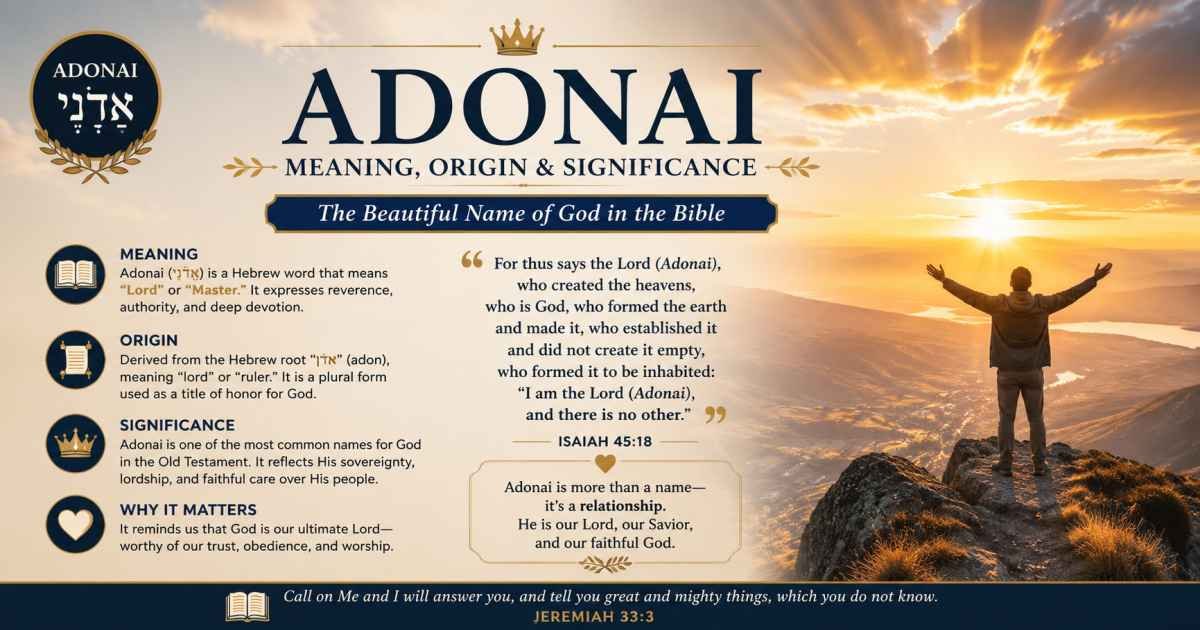
The word Adonai is one of the most powerful and meaningful names for God found in the Bible. For thousands of years, believers have used Adonai to express God’s authority, sovereignty, and lordship. In 2026, interest in the meaning of Adonai continues to grow as people study biblical Hebrew, deepen their faith, and explore the rich symbolism behind the names of God.
Unlike a personal name, Adonai is a title that emphasizes God’s supreme rule over creation. It reminds believers that God is the ultimate Master, King, and Lord who deserves worship, obedience, and complete trust.
This guide explains the meaning of Adonai, its biblical origins, pronunciation, scriptural significance, and how Christians and Jews understand this sacred title today.
What Does Adonai Mean?
The Hebrew word Adonai (אֲדֹנָי) literally means “Lord” or “My Lord.” It comes from the Hebrew root “Adon,” meaning master, owner, ruler, or lord. The ending “-ai” expresses respect and majesty, making Adonai a reverent title for God.
Throughout the Old Testament, Adonai emphasizes God’s position as:
- Supreme Lord
- Sovereign King
- Master of all creation
- Ruler over nations
- Protector of His people
For believers, calling God Adonai is an acknowledgment that He alone has ultimate authority over every aspect of life.
The Biblical Origin of Adonai
The title Adonai appears hundreds of times throughout the Hebrew Bible (Old Testament). It is frequently used in prayers, worship, prophecy, and conversations between God and His people.
One important reason for its use is its connection with God’s sacred covenant name, represented by the four Hebrew letters YHWH, often called the Tetragrammaton.
Out of deep reverence, Jewish tradition avoids pronouncing the divine name YHWH aloud during Scripture reading. Instead, readers traditionally say Adonai, meaning “Lord,” whenever they encounter the divine name in the biblical text.
This practice has continued for centuries and remains an important tradition in Jewish worship today.
Adonai in the Bible
The title Adonai appears in many significant passages that highlight God’s power, mercy, justice, and faithfulness.
Some well-known examples include:
Genesis 15:2
Abraham addresses God as “Adonai LORD” while discussing God’s promises concerning his descendants.
Psalm 8:1
“O LORD, our Lord, how majestic is your name in all the earth!”
This psalm celebrates God’s greatness and His authority over all creation.
Isaiah 6:1
The prophet Isaiah receives a vision of the Lord seated on His throne, emphasizing God’s holiness and sovereignty.
Psalm 110:1
This well-known messianic psalm speaks of God’s authority and is later quoted multiple times in the New Testament.
Throughout Scripture, Adonai consistently communicates that God reigns above kings, kingdoms, and the entire universe.
The Spiritual Meaning of Adonai
Understanding the meaning of Adonai goes beyond language. It teaches important spiritual truths that remain relevant for believers in 2026.
1. God Is the Supreme Authority
Calling God Adonai recognizes Him as the highest authority above governments, leaders, wealth, and human power.
2. God Is Worthy of Worship
The title reminds believers that worship belongs to God alone because He created and sustains all things.
3. God Guides His People
As Lord, God provides wisdom, direction, and purpose for those who trust Him.
4. God Protects and Cares
Adonai reflects not only authority but also loving leadership. Throughout Scripture, God cares for His people like a faithful shepherd.
5. God Deserves Obedience
Believers honor Adonai by following His teachings with humility, faith, and love.
Adonai Compared With Other Biblical Names of God
The Bible contains many names and titles that reveal different aspects of God’s character. While each highlights a unique attribute, they work together to provide a fuller understanding of who God is.
| Name | Meaning | Main Emphasis |
|---|---|---|
| Adonai | Lord, My Lord | God’s authority and sovereignty |
| Elohim | God | Creator and mighty power |
| El Shaddai | God Almighty | Strength, blessing, and provision |
| Jehovah Jireh | The Lord Will Provide | God’s faithful provision |
| Jehovah Rapha | The Lord Who Heals | Healing and restoration |
| Jehovah Shalom | The Lord Is Peace | Peace and wholeness |
| Jehovah Nissi | The Lord Is My Banner | Victory and protection |
Each name reveals another dimension of God’s relationship with humanity, but Adonai particularly emphasizes His rightful lordship over every believer’s life.
How Is Adonai Pronounced?
The most common English pronunciation is:
Ah-doh-NYE
The final syllable rhymes with the word “eye.”
In Hebrew worship, pronunciation may vary slightly depending on regional accents and liturgical traditions, but the meaning remains the same.
Because Adonai is regarded as a sacred title, it is traditionally spoken with reverence during prayer, worship, and Scripture reading.
Why Adonai Still Matters in 2026
Although written thousands of years ago, the title Adonai continues to inspire believers around the world.
In today’s fast-changing world, many people face uncertainty, anxiety, and difficult decisions. Remembering God as Adonai encourages believers to place their confidence in His eternal wisdom rather than temporary circumstances.
The title also reminds Christians and Jews alike that:
- God remains sovereign over history.
- His authority never changes.
- His promises remain faithful.
- He is worthy of trust in every season.
- Faith grows through surrender to God’s leadership.
Many churches include Adonai in worship songs, Bible studies, and prayers because it expresses both reverence and intimacy with God.
Final Thoughts
The meaning of Adonai is far more than simply the word “Lord.” It is a profound biblical title that declares God’s supreme authority, faithful leadership, and eternal sovereignty. From the earliest pages of the Old Testament to modern worship in 2026, Adonai has reminded believers that God is the rightful Master of heaven, earth, and every human heart.
Studying the name Adonai helps deepen biblical understanding while encouraging a life of faith, humility, and obedience. Whether encountered during personal Bible study, prayer, or worship, this sacred title points to a God who rules with justice, mercy, wisdom, and unfailing love.
For anyone seeking a richer understanding of the Bible, Adonai remains one of the most significant and inspiring names of God, inviting believers to trust His guidance, honor His authority, and worship Him with wholehearted devotion.

Healing is one of the most comforting themes found throughout the Bible. Whether you are seeking physical healing, emotional restoration, mental peace, or spiritual renewal, God’s Word offers encouragement, hope, and reassurance. In 2026, millions of people continue turning to Bible verses about healing for comfort during illness, grief, anxiety, and life’s many challenges.
While healing may not always happen in the way or timing we expect, Scripture consistently reminds believers that God is compassionate, faithful, and present through every season. These verses strengthen faith, encourage prayer, and remind us that God’s love never fails.
This guide explores some of the most meaningful healing Bible verses, their significance, and how they can encourage your daily walk with God.
Why Healing Is an Important Theme in the Bible
From Genesis to Revelation, healing appears as a powerful expression of God’s mercy and love. Throughout Scripture, God heals individuals through miracles, prayer, faith, and His divine power.
Biblical healing includes several dimensions:
- Physical healing from sickness or injury.
- Emotional healing from grief, fear, and brokenness.
- Mental healing from anxiety and despair.
- Spiritual healing through forgiveness and salvation.
- Relational healing that restores families and communities.
Jesus’ earthly ministry especially emphasized compassion toward the sick, demonstrating that God’s care extends to every part of human life.
Powerful Bible Verses About Healing
Here are some of the most inspiring Scriptures about healing that believers often turn to during difficult times.
Jeremiah 17:14
“Heal me, Lord, and I will be healed; save me and I will be saved, for you are the one I praise.”
This verse is a heartfelt prayer that recognizes God as the ultimate source of healing. It reminds believers that true healing comes from trusting the Lord.
Isaiah 53:5
“By his wounds we are healed.”
One of the most quoted healing passages, this prophecy points to Jesus Christ and the spiritual healing made possible through His sacrifice.
Psalm 147:3
“He heals the brokenhearted and binds up their wounds.”
Healing is not only physical. God also restores broken hearts, offering comfort after loss, disappointment, or emotional pain.
Exodus 15:26
“I am the Lord, who heals you.”
God reveals Himself as Jehovah Rapha, meaning “The Lord Who Heals.” This name reflects His loving nature and His desire to care for His people.
James 5:14–15
“Is anyone among you sick? Let them call the elders of the church to pray over them…”
This passage encourages believers to seek prayer, community support, and faith during illness.
Psalm 103:2–3
“Praise the Lord… who forgives all your sins and heals all your diseases.”
These verses celebrate God’s compassion, forgiveness, and healing power.
Matthew 11:28
“Come to me, all you who are weary and burdened, and I will give you rest.”
Although focused on spiritual rest, this verse offers tremendous encouragement to those struggling emotionally or physically.
3 John 1:2
“I pray that you may enjoy good health and that all may go well with you.”
This verse reflects God’s desire for overall well-being, including physical and spiritual health.
Healing Through Jesus Christ
The New Testament records numerous miracles performed by Jesus, demonstrating His compassion and divine authority.
Some well-known examples include:
- Healing the blind.
- Healing people with leprosy.
- Restoring those who could not walk.
- Healing the woman with the issue of blood.
- Raising the dead.
- Casting out unclean spirits.
These miracles reveal not only Christ’s power but also His compassion toward those who suffered.
Jesus often responded to faith, prayer, and sincere trust, showing that healing is closely connected with God’s loving relationship with His people.
How to Pray Using Bible Verses About Healing
Many Christians include Scripture in their daily prayers because God’s Word strengthens faith and provides encouragement.
A simple healing prayer may include these steps:
- Begin with gratitude, thanking God for His love and faithfulness.
- Read a healing Scripture aloud, such as Jeremiah 17:14 or Psalm 147:3.
- Present your request honestly, sharing your physical or emotional needs.
- Pray for wisdom for doctors, caregivers, and loved ones.
- Trust God’s timing, even if immediate healing does not come.
- End with thanksgiving, believing God continues working in every situation.
Praying Scripture helps believers focus on God’s promises instead of fear.
Bible Verses for Different Types of Healing
Different seasons of life call for different encouragement. Here are several healing categories along with helpful verses.
For Physical Healing
- Jeremiah 30:17
- James 5:14–15
- Psalm 103:2–3
- Isaiah 53:5
For Emotional Healing
- Psalm 147:3
- Matthew 11:28
- Philippians 4:6–7
- Psalm 34:18
For Strength During Illness
- Isaiah 41:10
- Deuteronomy 31:8
- Joshua 1:9
- Romans 8:28
For Peace and Comfort
- John 14:27
- Psalm 23
- Romans 15:13
- 2 Corinthians 1:3–4
These passages remind believers that God’s presence remains constant, regardless of circumstances.
What Bible Verses About Healing Teach Us in 2026
Today’s world continues to face health challenges, emotional stress, uncertainty, and personal struggles. For many believers, Bible verses about healing provide hope that extends beyond temporary circumstances.
Scripture teaches several timeless truths:
- God hears sincere prayers.
- Healing includes body, mind, and spirit.
- Faith brings hope even during suffering.
- God’s presence remains constant during hardship.
- Prayer strengthens trust and perseverance.
- The Christian community can offer encouragement and support through prayer and compassion.
While healing may come through miracles, medical treatment, emotional restoration, or spiritual growth, Christians believe that God works through many different means according to His wisdom.
Final Thoughts
Bible verses about healing continue to encourage millions of believers in 2026 because they reveal God’s enduring love, mercy, and compassion. Whether you are praying for yourself, a family member, or a friend, these Scriptures remind us that God is our source of hope, peace, and restoration.
Healing is often a journey rather than a single moment. Along that journey, God’s Word provides strength when we feel weak, comfort when we experience pain, and confidence that we are never alone. By reading, praying, and meditating on these powerful verses, believers can find renewed faith and encouragement in every season of life.
Ultimately, the Bible points us toward a God who cares deeply for His people, inviting everyone to trust Him with both their struggles and their hopes, knowing that His promises remain faithful through every generation.


 Techknology3 months ago
Tracqueur: The Complete Guide to Modern Tracking Technology
- Business3 months ago
Suhaib Zaino: Biography, Career, Background, and Public Profile
- Lifestyle3 months ago
Wolverhampton Tips: The Ultimate Local’s Guide to the West Midlands Gem
- Tech2 months ago
The Ultimate Guide to Capital IQ: Features, Benefits, and How It Compares to Competitors for Financial Intelligence
- Tech3 months ago
Repmold: The Future of Rapid Mold Manufacturing and Prototyping
- Fashion3 months ago
Janet Lee Constantine: The Private Life, Family, and Legacy of Leon Russell’s Devoted Wife
- Tech2 months ago
CreditFresh Review 2026: Is This Line of Credit a Smart Choice or a Costly Trap?
- Tech3 months ago
Meredith Schwarz: A Story of Quiet Strength, Professional Acumen, and Privacy