Connect with us

Health

Mastering “DLE”: A Comprehensive Guide to Discoid Lupus Erythematosus

Published

on

dle

Introduction

Understanding the intricacies of autoimmune diseases can often feel like navigating a complex labyrinth, but gaining clarity on conditions like Discoid Lupus Erythematosus (DLE) is the first step toward effective management and peace of mind. DLE is a chronic autoimmune skin condition that, while distinct from its more systemic counterpart, demands attention and care. This article serves as your definitive guide to understanding DLE, covering everything from its underlying causes and characteristic symptoms to the latest treatment options and practical strategies for living well with the condition. We will explore the nuances of DLE, separating fact from fiction, and empowering you with the knowledge to take proactive control of your skin health.

What is Discoid Lupus Erythematosus?

Discoid Lupus Erythematosus, commonly abbreviated as DLE, is a form of cutaneous lupus, meaning it is an autoimmune disease that primarily affects the skin. To understand DLE, it is helpful to first understand the basics of autoimmunity. In a healthy individual, the immune system acts as the body’s defense force, producing antibodies to fight off foreign invaders like viruses and bacteria. However, in an autoimmune disease like DLE, this defense system becomes dysregulated and mistakenly identifies the body’s own healthy tissues as threats. In the case of DLE, the immune system launches an inflammatory attack specifically on the skin, leading to the development of its hallmark lesions. This inflammatory process, if left unaddressed, can lead to significant and permanent tissue damage, including scarring and changes in skin pigmentation.

One of the most critical aspects to understand about DLE is its relationship to Systemic Lupus Erythematosus (SLE), the more serious form of lupus that can affect internal organs. It is a common misconception that DLE will inevitably progress to SLE. For the vast majority of people with DLE, this is not the case. Research indicates that the risk of developing SLE is relatively low, especially when the skin lesions are confined to a limited area, such as the head and neck. For these individuals with localized DLE, the risk of progression to SLE is about 5%. Even when DLE affects larger areas of the body, known as generalized DLE, the risk of developing SLE is still a minority, affecting approximately 15 out of every 100 people. This data underscores that while vigilance is necessary, DLE is predominantly a skin-focused condition and often remains so throughout a person’s life. However, because of this small but present risk, regular monitoring by a healthcare professional is essential for anyone diagnosed with DLE.

Recognizing the Signs and Symptoms of DLE

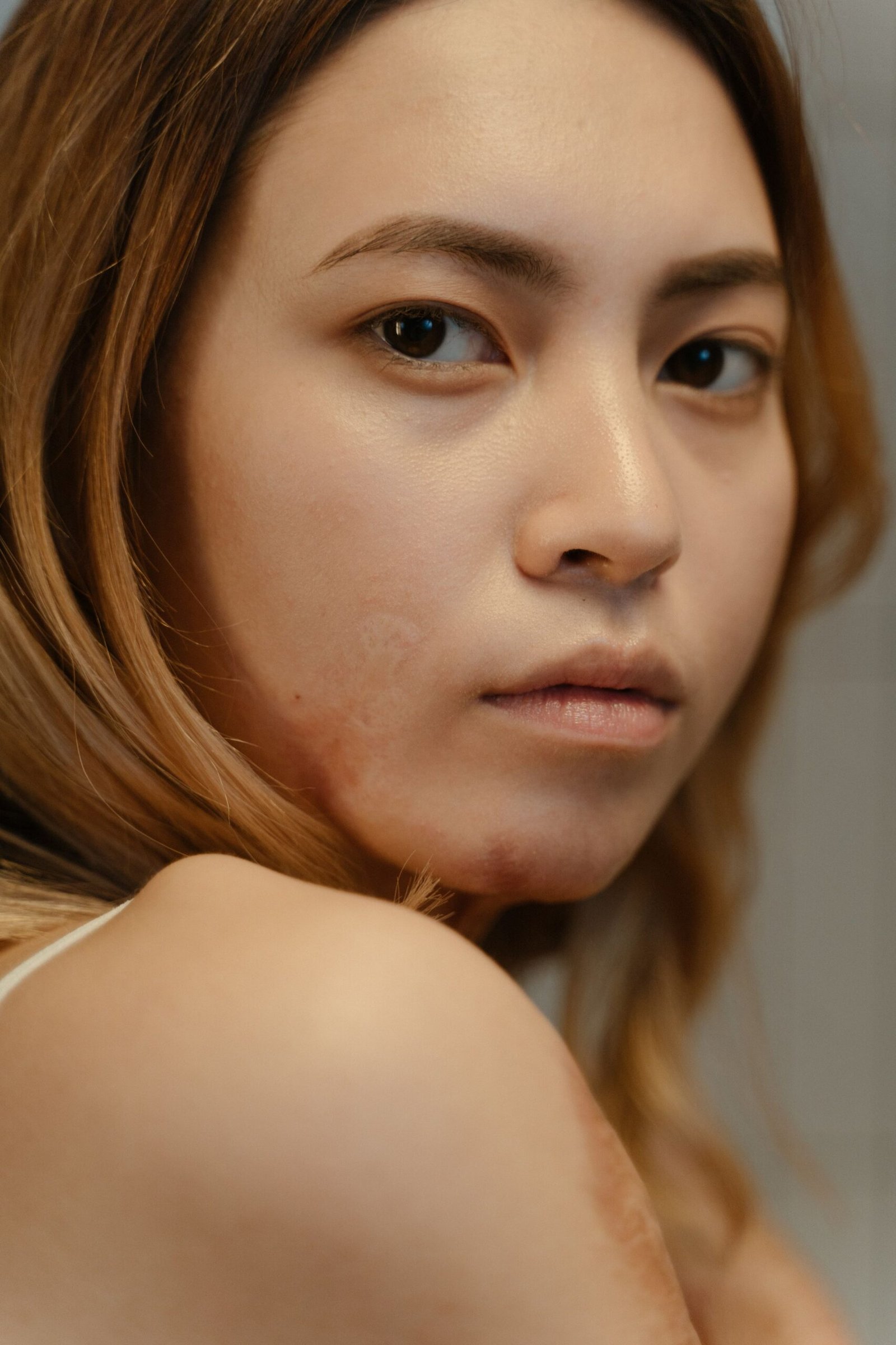
The primary feature of Discoid Lupus Erythematosus is the appearance of distinctive skin lesions. These are typically described as persistent, long-lasting red or pink, scaly patches. The term “discoid” itself is derived from the Latin word for “disc,” referring to the coin-like shape these lesions often take. The lesions are most commonly found on areas of the skin that are exposed to the sun. This includes the face, particularly the cheeks and the bridge of the nose, the ears, and the scalp, which together define the typical pattern of “localized DLE. When these patches appear in other areas of the body, such as the arms, chest, or back, the condition is classified as “generalized DLE. The distribution of the lesions is not just a descriptive detail; it can also provide doctors with clues about the potential risk of systemic involvement, with generalized DLE carrying a slightly higher, though still small, risk of progression to SLE.

The inflammation caused by DLE is not merely superficial. Without appropriate and timely treatment, the ongoing inflammatory process can wreak havoc on the skin’s structure, leading to permanent damage. The most significant of these long-term effects include scarring, which can be disfiguring, especially on the face. In the scalp, this scarring can destroy hair follicles, resulting in permanent hair loss, known as scarring alopecia. Furthermore, the skin can experience lasting pigmentary changes; areas affected by DLE may become darker (hyperpigmentation) or lighter (hypopigmentation) than the surrounding skin. Recognizing these symptoms early is crucial because while the active inflammation can be treated and managed, the scarring and pigment changes it causes are often permanent. This makes early diagnosis and intervention a cornerstone of effective DLE care.

Exploring Treatment and Management Strategies

The treatment of Discoid Lupus Erythematosus is centered on two primary goals: controlling the active inflammation to prevent further skin damage and managing the symptoms to improve the patient’s quality of life. Because DLE is an autoimmune condition, the treatments are designed to modulate or suppress the immune system’s overactive response in the skin. The first line of defense typically involves topical medications, such as corticosteroid creams or ointments, which are applied directly to the lesions to reduce inflammation and itching. For lesions that are particularly resistant to topical therapies, a doctor may inject corticosteroids directly into the affected areas. In more widespread or stubborn cases, oral medications like antimalarials (e.g., hydroxychloroquine) are often prescribed, as they have been shown to be effective in controlling the skin manifestations of lupus by modulating the immune system. It is important to note that these treatments require careful monitoring by a healthcare provider due to potential side effects.

Beyond medical interventions, lifestyle modifications are arguably the most critical aspect of managing DLE. Given that ultraviolet (UV) light from the sun is a well-known trigger for DLE flare-ups, rigorous sun protection is non-negotiable. This involves more than just applying sunscreen on sunny days. Individuals with DLE should wear broad-spectrum sunscreens with a high SPF (at least 50) every single day, even when it is cloudy, and reapply it frequently. Protective clothing, wide-brimmed hats, and seeking shade are also essential strategies. This meticulous approach to sun avoidance can dramatically reduce the frequency and severity of flare-ups, minimizing both the immediate discomfort and the long-term scarring. By combining appropriate medical treatment with diligent skin protection, individuals with DLE can manage their condition effectively and protect their skin from irreversible damage, ensuring the best possible outcomes for their skin health.

Conclusion

Discoid Lupus Erythematosus is a chronic autoimmune skin condition that presents unique challenges, but with the right information and proactive management, it can be effectively controlled. Understanding that DLE is primarily a skin condition, with a low risk of progression to the more systemic SLE, can provide significant reassurance. Early recognition of the tell-tale lesions and prompt medical consultation are paramount to preventing the permanent scarring and hair loss that can result from untreated inflammation. A robust partnership with a dermatologist, coupled with a steadfast commitment to sun protection and a tailored treatment plan, empowers individuals to take charge of their health. Living with DLE is not about limiting one’s life, but about adapting to protect the skin and maintain overall well-being, ensuring that this condition does not define the life of the person who has it.

Frequently Asked Questions (FAQ)

1. Is DLE contagious?

No, Discoid Lupus Erythematosus is an autoimmune disease. This means it is caused by a person’s own immune system mistakenly attacking their skin cells. It is not an infection, and therefore cannot be passed from one person to another through skin-to-skin contact or any other means.

2. Can DLE turn into SLE?

For most people, DLE remains confined to the skin. However, there is a small risk that the disease could affect internal organs, leading to Systemic Lupus Erythematosus (SLE). The risk is higher if the skin lesions cover a large area of the body (generalized DLE) but is still a minority of cases, with about 15% potentially developing SLE. Regular check-ups with a doctor are important to monitor for any changes.

3. What are the most common triggers for a DLE flare-up?

The most significant and well-documented trigger for DLE is exposure to ultraviolet (UV) light from the sun or even from artificial sources like tanning beds. This is why the lesions often appear on sun-exposed areas like the face, ears, and scalp. Stress, certain medications, and infections can also trigger flare-ups in some individuals.

4. Is there a cure for DLE?

Currently, there is no cure for Discoid Lupus Erythematosus. It is a chronic condition, meaning it is long-lasting. However, it is highly manageable. The goal of treatment is to control the symptoms, reduce inflammation, prevent permanent scarring, and minimize the frequency and severity of flare-ups.

5. How is DLE diagnosed?

A dermatologist will typically diagnose DLE by examining the skin and by performing a skin biopsy. During a biopsy, a small sample of the affected skin is removed and examined under a microscope. This helps to confirm the diagnosis by showing the characteristic pattern of inflammation and ruling out other skin conditions that may look similar.

Continue Reading

Health

The Ultimate Guide to Nasal Fold Filler: Restoring Youthful Contours and Facial Harmony

Published

on

nasal fold filler

Introduction

As we age, the face undergoes a complex series of changes that can leave us looking tired or older than we feel. Among the most telltale signs of this natural process are the nasolabial folds—those familiar lines that run from the sides of the nose to the corners of the mouth. Often referred to as smile lines or nasal folds, these creases become more pronounced over time due to a combination of volume loss, bone resorption, skin laxity, and the cumulative effects of repetitive facial expressions . While completely natural, their deepening can create shadows and a sagging appearance that many find aesthetically displeasing.

Nasal fold filler has emerged as one of the most effective and popular non-surgical solutions to address this concern. By strategically restoring lost volume and providing structural support to the midface, dermal fillers can soften these lines and rejuvenate the entire lower face . However, achieving a natural-looking result that enhances rather than alters your unique facial identity requires more than simply injecting product into a wrinkle. Modern aesthetic medicine views the treatment of nasolabial folds through a holistic lens, focusing on the underlying causes of the fold and the surrounding facial architecture . This article provides a comprehensive guide to nasal fold filler, exploring the anatomy of the fold, the science behind the treatment, what to expect during the procedure, and essential safety considerations. Whether you are considering this treatment for the first time or seeking to deepen your understanding, this guide will equip you with the knowledge to make informed decisions.

Understanding Nasolabial Folds: Anatomy, Causes, and Classification

Why Do Nasolabial Folds Form?

To effectively treat nasolabial folds, it is crucial to understand their root causes. They are not simply deep wrinkles; their formation is a multifactorial process involving every layer of the face, from the bone to the skin .

The aging process is the primary driver. As we get older, we experience a gradual loss of collagen, elastin, and hyaluronic acid in our skin, leading to decreased elasticity and firmness. Simultaneously, the underlying fat compartments in the midface begin to atrophy and descend . This volume loss, combined with the downward pull of gravity and the resorption of bone in the midface (particularly around the pyriform aperture near the nose), means the skin and soft tissues are no longer as well-supported . The result is a deepening of the natural crease that forms between the cheek and the upper lip, creating the characteristic fold.

The Three Main Types of Nasolabial Folds

A “one-size-fits-all” approach to injecting filler is rarely effective. Contemporary practitioners recognize that nasal folds can be classified by their underlying etiology, which dictates the best treatment strategy . The primary types include:

  1. Volume Deficiency Folds: These are primarily caused by a loss of volume in the deep fat compartments of the cheek and the bony support of the midface. The skin and soft tissue sag, creating a prominent fold. This type is often seen in individuals experiencing significant age-related volume loss .

  2. Tissue Laxity Folds: In this type, the primary issue is the loss of skin elasticity and firmness. The skin itself becomes lax, forming a fold that hangs down from the nose to the mouth. This type is more common in older individuals with significant skin photodamage and loss of elastin .

  3. Muscular Attachment Folds: In some individuals, the underlying muscles of facial expression have a strong attachment to the skin, creating a defined fold that is present even at rest. This type is often seen in people who have always had prominent nasolabial folds, sometimes from a younger age .

It is important to note that in many cases, a person’s folds are a “hybrid” type, combining two or more of these etiologies . A comprehensive consultation is essential for a skilled injector to diagnose the type of fold and create a personalized treatment plan.

The Science of Nasal Fold Filler: How It Works

Hyaluronic Acid: The Gold Standard

The most common and widely trusted dermal fillers for treating nasolabial folds are made from hyaluronic acid (HA) . HA is a naturally occurring sugar molecule found in the skin and joints, responsible for attracting and retaining moisture, which gives skin its plumpness and hydration. Injectable HA fillers use a stabilized, cross-linked version of this substance that is not naturally broken down as quickly, providing long-lasting volume correction .

When injected into the nasolabial fold area, HA fillers work in two primary ways:

  • Direct Filling: The filler is injected directly into the fold itself to fill the crease and smooth it out from the inside .

  • Indirect Lifting: This is a more advanced, and often more effective, approach. Filler is injected into the deeper tissue planes of the midface, such as the deep medial cheek fat compartment or the area above the bone (supraperiosteal plane). This restores lost structural support, lifting the overlying tissue and indirectly softening the nasolabial fold without overfilling the crease itself . This holistic method is often considered superior for preventing a “puffy” or overfilled look.

Choosing the Right Filler: Monophasic vs. Biphasic

Not all HA fillers are created equal. They are formulated with different physical properties, making them suitable for different purposes. In general, fillers can be categorized as monophasic or biphasic.

A key study comparing these types found that monophasic fillers demonstrate superior integration in dynamic areas like the nasolabial folds. Their smooth, homogeneous gel consistency allows them to blend seamlessly with the surrounding tissue, minimizing the risk of lumps and providing a more natural look in areas subject to constant movement from smiling and talking . In contrast, biphasic fillers are firmer and better suited for deep structural support and volume retention in areas like the cheeks or nose . A skilled practitioner will select the optimal product based on the specific type of fold, the depth of injection required, and the patient’s unique anatomy and aesthetic goals. In some cases, a combination of both types might be used for the best overall result .

The Treatment Journey: What to Expect

Consultation and Personalization

A successful result begins with a thorough consultation. Your practitioner should assess your facial anatomy, the severity and type of your nasolabial folds, and your overall facial proportions. This is the time to discuss your aesthetic goals and set realistic expectations . Based on this assessment, they will develop a personalized treatment strategy, which may involve a combined approach of direct folding and indirect midface support .

The Procedure

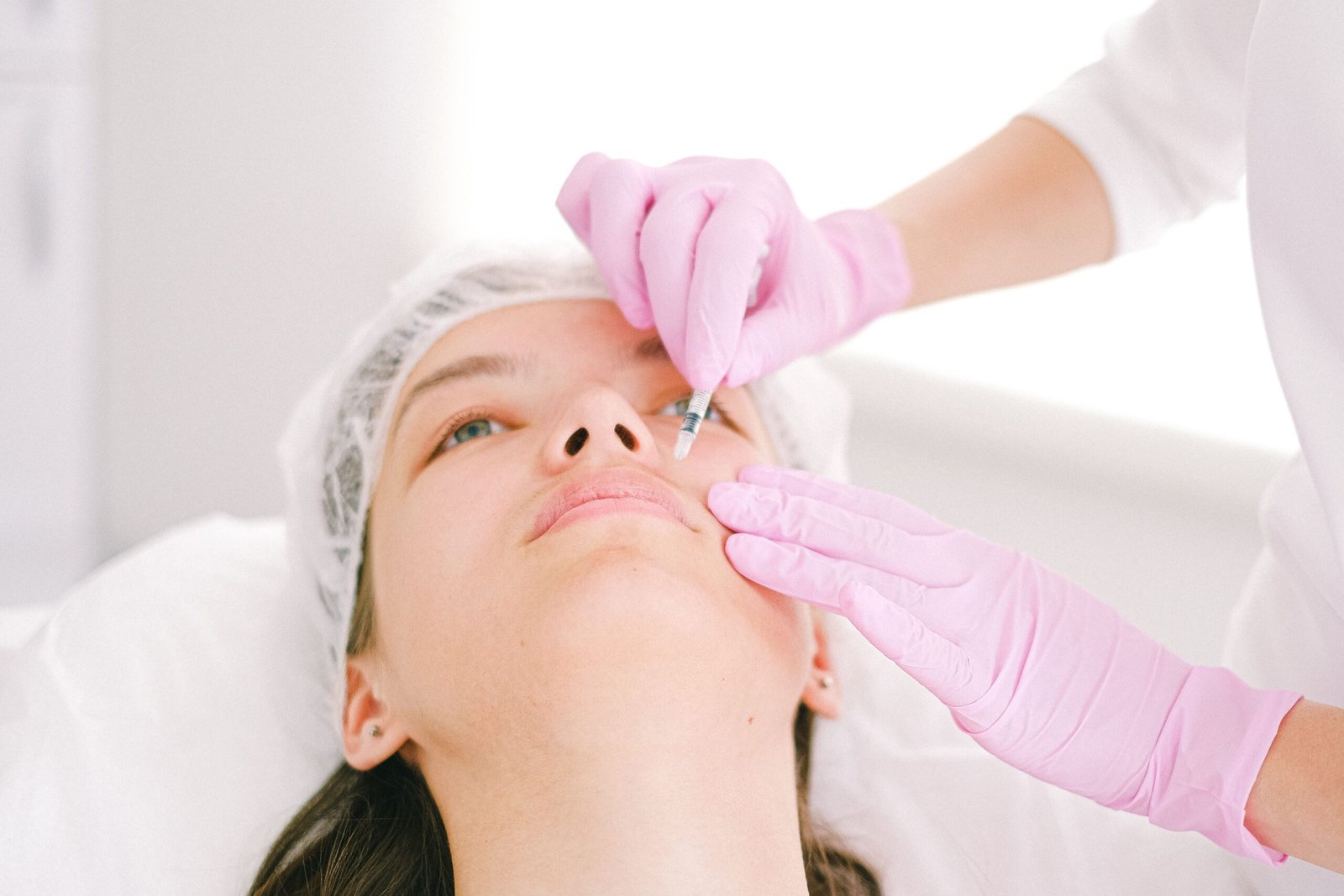
The actual treatment session is relatively quick, typically lasting between 20 to 30 minutes . A topical numbing cream is often applied to the area to enhance comfort, and many HA fillers now also contain lidocaine, a local anesthetic . Using a fine needle or a blunt-tipped cannula, the practitioner will skillfully inject the filler into the predetermined planes. You may feel a slight pinch or pressure during the injection . After the injections, they will gently massage the area to ensure the filler is evenly distributed and the contours are smooth.

Before and After: Immediate Results and the Settling Process

One of the appealing aspects of HA filler is that results are visible immediately. However, it is essential to understand that the final result will not be apparent for a couple of weeks. You will likely experience some swelling, and potentially a little bruising, in the first few days . The filler itself needs time to integrate with your natural tissues. Over the next one to two weeks, the swelling will subside, and the filler will settle into a softer, more natural-looking result .

Nasolabial fold filler before and after photos can be incredibly helpful for setting expectations. The goal of treatment is improvement, not complete elimination, which can look unnatural. A successful result will soften the folds, restore facial harmony, and create a refreshed look without making the area appear heavy or “overdone” .

Safety, Risks, and Aftercare

Duration of Results and Maintenance

The longevity of nasal fold filler is not permanent and varies from person to person. Results typically last between 9 and 15 months, depending on factors like the type of filler used, your individual metabolism, lifestyle factors, and the amount injected . Top-up treatments are required to maintain the effect.

Potential Side Effects and Rare Complications

While generally considered safe, HA fillers do carry some risks. The most common side effects are mild and transient, including swelling, bruising, redness, and tenderness at the injection site. These typically resolve within a few days to a week .

More serious complications are rare but require a knowledgeable and experienced injector to avoid. One of the most significant risks is vascular occlusion, which occurs when filler is accidentally injected into a blood vessel. This can block blood flow to the skin, leading to tissue damage. A meta-analysis of studies found that monophasic fillers are associated with a lower incidence of swelling and bruising compared to biphasic fillers, though both are considered safe when used correctly .

A novel case report published in the Journal of Plastic, Reconstructive & Aesthetic Surgery highlighted an unexpected functional complication: an internal nasal valve collapse following filler injection near the pyriform aperture. This rare event caused nasal obstruction that required conservative management and underscores the critical importance of a thorough anatomical understanding before any midface injection . This reinforces why selecting a practitioner who is not just an “injector” but a true expert in facial anatomy is paramount.

Aftercare for Optimal Results

Proper aftercare is key to minimizing side effects and optimizing your results. Common recommendations include:

  • Avoid touching, rubbing, or massaging the treated area for at least 24 hours .

  • Apply an ice pack to reduce swelling.

  • Avoid strenuous exercise for 48 hours, as this can increase swelling and bruising .

  • Limit exposure to intense heat, such as saunas or sunbeds, for a few days.

  • Sleep on your back with your head slightly elevated for the first few nights .

Conclusion

Nasal fold filler remains a cornerstone of non-surgical facial rejuvenation, offering a powerful and safe solution for softening the deep creases that can make us look older or tired. As we have explored, the modern approach to this treatment is far more sophisticated than simply “filling a wrinkle.” It requires a deep understanding of facial anatomy and the multifactorial causes of nasolabial folds. The most successful outcomes are achieved by skilled practitioners who take a holistic, personalized approach, often combining direct filling of the fold with indirect structural support of the midface .

By choosing the right type of HA filler and employing strategic injection techniques, it is possible to achieve soft, natural-looking results that enhance your facial harmony without altering your unique character. If you are considering this treatment, the most important step is to seek out an experienced, medically qualified professional who will prioritize a thorough consultation, a safe procedure, and an aesthetic outcome that leaves you looking—and feeling—like the most refreshed version of yourself.

Frequently Asked Questions (FAQ)

Q: How long does nasal fold filler take to settle?
A: The initial improvement is visible immediately, but the final result becomes apparent after any swelling subsides and the filler integrates with the tissue. This settling process typically takes one to two weeks .

Q: How long do nasal fold fillers last?
A: The effects are not permanent and usually last between 9 and 15 months. The duration depends on factors like the specific product used, your metabolic rate, and your lifestyle .

Q: Is the treatment painful?
A: Most people find the treatment very manageable. A topical numbing cream is applied beforehand, and most fillers contain lidocaine, a local anesthetic, to maximize comfort. You may feel a slight pinch or pressure during the injection .

Q: What are the risks of nasal fold filler?
A: Common side effects are mild and temporary, such as swelling, bruising, and redness. Serious complications like vascular occlusion are rare. The most significant risk is choosing an inexperienced injector, as thorough anatomical knowledge is crucial for safety. A rare complication highlighted in recent research is internal nasal valve collapse from filler placed near the nose .

Q: What is the difference between direct and indirect filler treatment?
A: Direct filling involves injecting filler directly into the nasolabial crease to fill it. Indirect treatment is a more advanced approach where filler is injected into the midface (like the cheeks) to restore lost volume and lift the tissues, which subsequently softens the fold. A combined approach often yields the most natural results .

Q: How much does nasal fold filler cost?
A: The cost is dependent on the amount of filler needed and the practitioner’s expertise. In the UK, prices typically range from £400-£650 for mild correction and can exceed £1,500 for more advanced treatments requiring structural midface support .

Continue Reading

Health

Vitilinox: A Comprehensive Guide to Natural Vitiligo Management and Skin Repigmentation

Published

on

vitilinox

Introduction

Vitiligo is a chronic skin condition that affects millions worldwide, characterized by the progressive loss of melanocytes—the cells responsible for producing skin pigment. This results in distinctive white patches that can appear on any part of the body, often causing significant psychological distress and impacting quality of life. While conventional treatments like corticosteroids, calcineurin inhibitors, and phototherapy remain the mainstay of vitiligo management, many patients seek alternative options that offer gentler, more natural approaches. Enter Vitilinox, a topical formulation gaining attention for its potential to support skin repigmentation through a blend of natural ingredients and scientifically-backed compounds. This article explores everything you need to know about Vitilinox, from its mechanism of action and benefits to safety considerations and what results you can realistically expect from this emerging vitiligo treatment option.

Understanding Vitiligo: The Condition Behind the Treatment

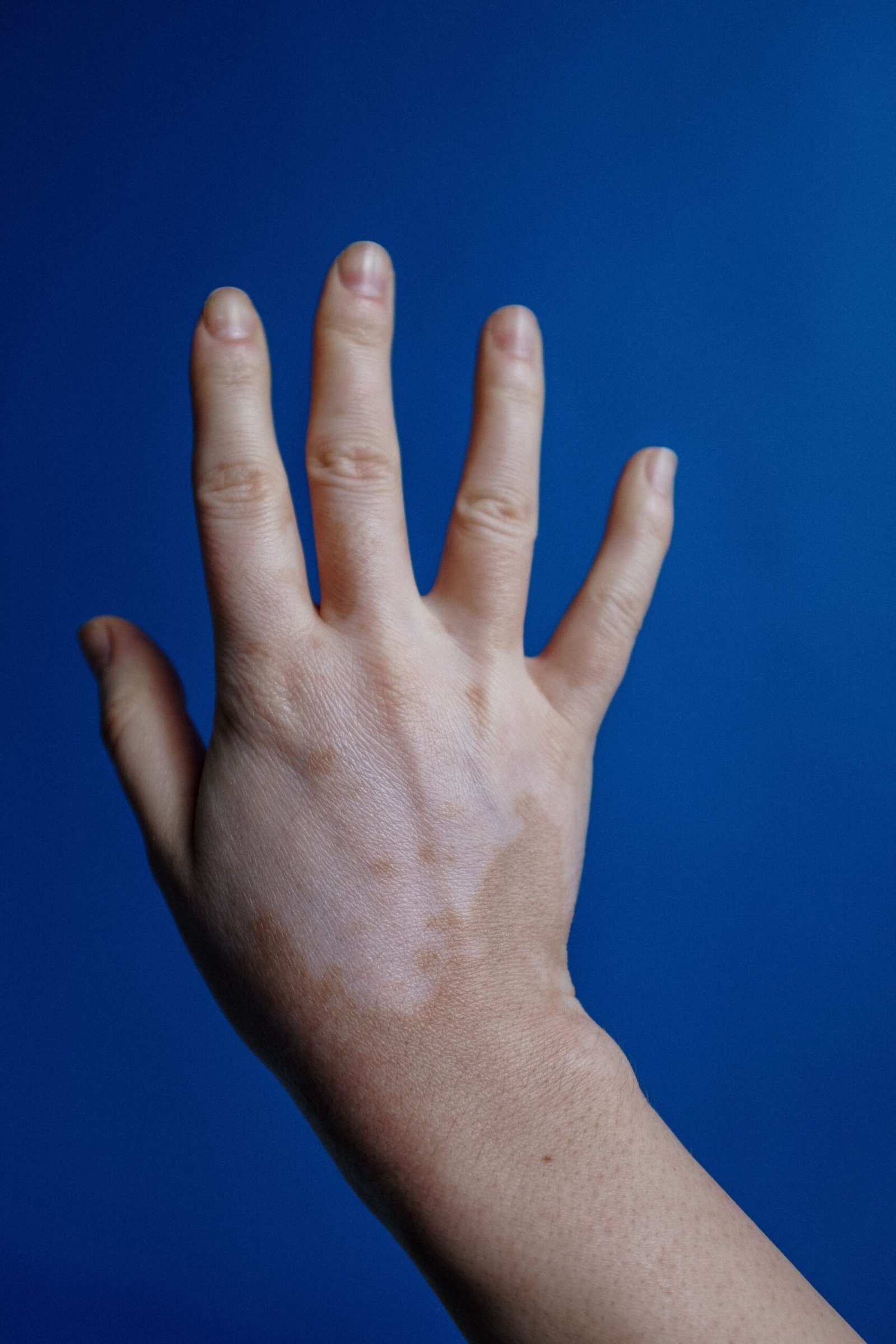
To fully appreciate how Vitilinox works, it is essential to understand the underlying mechanisms of vitiligo. This acquired pigmentary disorder occurs when the body’s immune system mistakenly attacks and destroys melanocytes, the cells that produce melanin . The exact pathogenesis remains complex and multifactorial, involving metabolic abnormalities, oxidative stress, generation of inflammatory mediators, and autoimmune responses . Research has shown that keratinocytes isolated from vitiligo patches generate significant amounts of superoxide anions, reactive oxygen species, and nitric oxide, creating a toxic environment that further damages melanocytes . This oxidative stress plays a crucial role in the disease process, making antioxidant therapies a logical approach to treatment. The condition affects between 0.5% and 2% of the global population, with equal prevalence between men and women, and can appear at any age . While vitiligo itself is neither life-threatening nor physically symptomatic, its visible nature can be cosmetically and psychologically devastating, leading to low self-esteem, poor body image, and other negative quality-of-life effects .

What Is Vitilinox?

Vitilinox is a topical skin formulation specifically designed for individuals with vitiligo, combining natural ingredients with science-backed compounds to help restore skin color . Unlike conventional treatments that may rely heavily on corticosteroids or other potent pharmaceuticals, Vitilinox takes a gentler approach by supporting the skin’s natural healing processes. The formulation aims to stimulate melanocytes—the pigment-producing cells—while calming the inflammatory and autoimmune responses that contribute to melanocyte destruction . It is not positioned as a cure for vitiligo, but rather as a promising aid that helps the skin produce its own pigment again, working with the body’s natural mechanisms rather than simply masking the condition with surface-level solutions like makeup or self-tanners .

How Vitilinox Works: The Science Behind the Formula

The effectiveness of Vitilinox lies in its multi-pronged approach to addressing the various factors involved in vitiligo pathogenesis. First and foremost, the formulation works to boost pigment production by stimulating melanocytes, the cells responsible for melanin synthesis . This is achieved through ingredients that help “wake up” these often-quiescent cells in vitiligo-affected skin. Additionally, Vitilinox contains compounds with anti-inflammatory properties that help reduce the autoimmune attack on melanocytes, creating a more favorable environment for repigmentation to occur . The natural moisturizing and soothing ingredients in the formulation also help maintain healthy, hydrated skin, addressing the dryness and irritation that often accompany vitiligo patches . This combination of stimulating melanocyte activity, reducing inflammation, and nourishing the skin makes Vitilinox a comprehensive approach to vitiligo management that addresses multiple aspects of the condition simultaneously.

Clinical Evidence Supporting Herbal Bio-Active Treatments

While specific clinical trials on Vitilinox itself are limited, research on similar formulations provides encouraging evidence for the potential of herbal bio-active treatments in vitiligo management. A significant study published in the Open Access Macedonian Journal of Medical Sciences investigated the efficacy of Vitilinex®, a comparable herbal bio-active product, in treating vitiligo patients . The study involved 62 participants divided into three groups: those treated with Vitilinex alone, those receiving Vitilinex combined with narrowband UVB phototherapy, and those receiving phototherapy alone over a 12-week period . The results were compelling: in the Vitilinex-alone group, 39% achieved outstanding improvement with repigmentation rates higher than 75%, with 26% showing marked improvement (50-75% repigmentation) . Even more impressive, the combination therapy group saw 69.5% of patients achieving outstanding improvement, with 12 patients experiencing total repigmentation . These findings suggest that herbal bio-active formulations like Vitilinox can be effective treatment options, particularly when combined with phototherapy, achieving results that rival or even surpass conventional treatments in some cases .

Expected Results: What Users Can Realistically Expect

When considering any vitiligo treatment, managing expectations is crucial for patient satisfaction and adherence. Vitilinox, like all vitiligo treatments, requires patience and consistency. According to available information, users may begin noticing subtle changes within the first few weeks of use . During weeks one to two, the skin typically feels softer and less irritated as the moisturizing and soothing ingredients take effect . By weeks three to four, tiny pigment spots may begin to appear, often starting around hair follicles, indicating that melanocyte stimulation is occurring . More significant improvement in skin tone becomes noticeable around months two to three, with smaller patches potentially almost vanishing entirely . Long-term use beyond three months may result in continued repigmentation in larger patches, with skin tone gradually becoming more even . However, it is important to emphasize that results vary significantly between individuals—some people respond quickly while others progress more slowly, and some may experience partial improvement without achieving full repigmentation . This variability is consistent with all vitiligo treatments and reflects the complex nature of the condition itself.

Safety Profile and Considerations

Safety is understandably a primary concern for anyone considering a new treatment, particularly for a chronic condition like vitiligo that may require long-term management. Vitilinox’s formulation focuses on natural, plant-derived substances, which reduces the risk of harsh reactions compared to some conventional treatments . Unlike many corticosteroid-based therapies that can thin the skin with prolonged use, Vitilinox contains no steroids, making it potentially suitable for longer-term application . Many versions of the product have been dermatologically tested for skin sensitivity, further supporting its safety profile . That said, every individual’s skin is unique, and it is recommended to perform a patch test before full use, check ingredients for potential allergens, and consult with a dermatologist, especially for those with a history of sensitive skin . Side effects are rare but may include mild redness or tingling, which typically resolves quickly . If irritation persists, discontinuing use and consulting a healthcare provider is advised.

Combining Vitilinox with Other Therapies for Enhanced Results

One of the most promising aspects of Vitilinox is its potential for use in combination with other established vitiligo treatments. The clinical study on Vitilinex clearly demonstrated that combining herbal bio-active products with narrowband UVB phototherapy yields superior results compared to either treatment alone . In the combination group, 87% of patients achieved repigmentation rates higher than 50%, compared to 65% with Vitilinex alone and 62.5% with phototherapy alone . Furthermore, the combination allowed for lower UVB exposure doses, which is beneficial as it minimizes UV radiation exposure linked to potential cellular mutations . This synergistic effect suggests that Vitilinox could be an excellent adjunct to phototherapy, potentially enhancing outcomes while allowing for reduced treatment intensity. The combination approach also aligns with current best practices in vitiligo management, where multimodal treatment strategies often yield the best results .

Vitilinox vs. Conventional Treatments

Understanding how Vitilinox compares to conventional vitiligo treatments helps patients make informed decisions about their care. Traditional treatments include topical corticosteroids, calcineurin inhibitors like tacrolimus, Janus kinase (JAK) inhibitors such as ruxolitinib, and phototherapy . While these treatments have demonstrated efficacy, they often come with significant considerations. Corticosteroids can cause skin thinning and striae, especially with prolonged use . Calcineurin inhibitors carry FDA warnings about potential cancer risks . Newer JAK inhibitors like ruxolitinib show promise but are relatively expensive and may not be accessible to all patients . Phototherapy requires frequent clinic visits or specialized home equipment and carries UV exposure concerns . By contrast, Vitilinox offers a natural, non-steroidal option with minimal side effects that can be used conveniently at home . While it may not replace these treatments for all patients, it represents a valuable additional option, particularly for those seeking a gentler approach, those who cannot tolerate conventional treatments, or those looking to enhance the effects of other therapies through combination use.

Conclusion

Vitilinox represents an exciting development in the landscape of vitiligo treatment, offering a natural, non-steroidal approach that aligns with the growing demand for gentler, more holistic options in skincare. While not a cure, its multi-faceted mechanism of action—stimulating melanocytes, reducing inflammation, and nourishing the skin—addresses the complex pathophysiology of vitiligo in ways that complement existing treatment paradigms. The clinical evidence supporting similar herbal bio-active formulations demonstrates the potential for significant repigmentation, particularly when used in combination with phototherapy . For individuals living with vitiligo, the psychological burden of this visible condition cannot be overstated, and having additional treatment options provides hope and expanded choices in managing their condition. As with any treatment, managing expectations is crucial—results take time, vary between individuals, and may not achieve complete repigmentation. However, for those seeking a safe, accessible, and gentle approach to vitiligo management, Vitilinox offers a promising avenue worth exploring under appropriate medical guidance. The field of vitiligo treatment continues to evolve rapidly, with emerging therapies and combination approaches offering new hope for improved outcomes and quality of life for those affected by this challenging condition .

Frequently Asked Questions (FAQ)

Q1: What is Vitilinox and how does it work for vitiligo?
A: Vitilinox is a topical skin formulation designed for vitiligo management that combines natural ingredients with science-backed compounds to help restore skin pigmentation. It works by stimulating melanocytes (pigment-producing cells), calming the autoimmune response that attacks these cells, and nourishing the skin to maintain health and hydration .

Q2: How long does it take to see results with Vitilinox?
A: Results vary significantly between individuals. Some users may notice skin feeling softer within 1-2 weeks, with tiny pigment spots appearing around weeks 3-4. More significant improvement typically becomes noticeable around months 2-3, with continued repigmentation occurring with long-term use beyond three months .

Q3: Is Vitilinox safe to use?
A: Vitilinox is generally considered safe for most people, featuring natural, plant-derived ingredients and no steroids. However, as with any skin product, it’s recommended to perform a patch test before full use, check ingredients for potential allergens, and consult a dermatologist, especially if you have sensitive skin or other skin conditions .

Q4: Can Vitilinox be used with other vitiligo treatments?
A: Yes, clinical research on similar herbal bio-active products suggests that combining them with narrowband UVB phototherapy significantly enhances results compared to either treatment alone. In one study, 87% of patients receiving combination therapy achieved repigmentation rates higher than 50% .

Q5: What makes Vitilinox different from conventional vitiligo treatments?
A: Unlike many conventional treatments that rely on corticosteroids or synthetic drugs, Vitilinox uses natural ingredients to support the skin’s own healing processes. It offers a non-steroidal, gentle approach with minimal side effects, making it suitable for long-term use and appealing to those seeking alternatives to pharmaceutical treatments .

Q6: Is Vitilinox a cure for vitiligo?
A: No, Vitilinox is not a cure for vitiligo but rather a promising aid that helps manage the condition and support repigmentation. Like all current vitiligo treatments, it works to stop disease progression and restore pigmentation, but results can be unpredictable, and maintenance may be required to prevent new patches from appearing .

Continue Reading

Health

Fanati̇şk: The Psychology of Passion, Its Societal Impact, and the Fine Line Between Devotion and Delusion

Published

on

fanatişk

Introduction

In the modern lexicon, few words carry the weight, intensity, and duality of meaning as the term “fanati̇şk.” Originating from the Latin word fanaticus, which described individuals who were inspired by a deity—literally “temple-crazed”—the term has evolved significantly over the centuries . Today, it is a ubiquitous label applied to passionate sports supporters, zealous political ideologues, and devout followers of various causes.

But what does it truly mean to be fanati̇şk? Is it a commendable display of loyalty and passion, or a dangerous descent into irrationality and intolerance? This article delves into the multifaceted concept of fanaticism, exploring its definitions, its psychological roots, its impact on society, and the crucial distinction between healthy devotion and destructive obsession. By understanding the nature of fanati̇şk behavior, we can better navigate a world increasingly defined by polarized views and extreme allegiances.

The Etymology and Evolution of “Fanati̇şk”

To understand the term “fanati̇şk,” one must first travel back to ancient Rome. The word is derived from the Latin “fanum,” meaning temple or sacred place . It was used to describe individuals who exhibited extreme, often frenzied, religious fervor, believing they were possessed by a divine spirit. These “fanatici” would often act irrationally, shouting and engaging in trance-like states during rituals . Initially, the term was specifically tied to religion, indicating a state of “holy madness” or being “divinely inspired.”

As the centuries passed, the term secularized and broadened in scope. By the time it entered the modern Turkish lexicon via French (fanatique), its meaning had shifted to encompass any “asabi, din ve parti gayretiyle gözü dönmüş” individual—someone who is “furious, blinded by religious or party zeal” . This evolution is crucial; it shows that the core psychological state of fanaticism—the loss of rationality and the complete absorption into a single idea or allegiance—remained constant, even as its object changed from gods to football clubs and political parties.

Fanati̇şk: A Comprehensive Definition

In contemporary Turkish, as defined by the Turkish Language Association (TDK), fanati̇şk refers to a person who is extremely passionate, devoted, and often intolerant in their defense of a belief, ideology, or team. The dictionary highlights that a fanatic is someone who acts with excessive enthusiasm for a cause and does not allow the opposing side a chance to speak . This core idea of intolerance is central to the concept.

In Türkiye, the phenomenon of fanati̇şk is most visibly observed in two arenas: sports and politics . A football fan who supports their team with unshakeable loyalty, regardless of performance, is a classic example of a “fanatik taraftar.” Similarly, a political partisan who refuses to acknowledge any merit in an opponent’s viewpoint and defends their own leader or party at all costs exhibits political fanaticism. The term is often used interchangeably with words like bağnaz (bigot), mutaassıp (dogmatist), yobaz (zealot), and hoşgörüsüz (intolerant), all of which point to a rigid and unyielding mindset .

The Thin Line Between Devotion and Destruction: Fanaticism vs. Holiganizm

It is imperative to distinguish between healthy passion, fanaticism, and its violent cousin, hooliganism. The search results provide a crucial distinction: “Fanatizm bir sevgi eylemi, holiganizm ise fanatizmin yarattığı saldırganlık boyutudur” (Fanaticism is an act of love, while hooliganism is the dimension of aggression created by fanaticism) .

A fanatic, while irrational, is defined by an internal state of unwavering devotion and a blindness to opposing views. A hooligan, on the other hand, takes this devotion to its most extreme and socially destructive end. Hooliganism involves physical violence, vandalism, and behavior that is “futbol ruhuna yakışmayan” (unbecoming of the spirit of football) . Hooligans do not just love their team; they actively seek to attack and intimidate fans of rival teams.

This distinction is vital for understanding the “fanati̇şk” phenomenon in a balanced way. While the fanatic’s behavior is socially problematic due to their intolerance and dogmatism, they are not inherently violent. Hooliganism represents the point where blind loyalty crosses a legal and moral threshold, becoming a public safety issue.

The Societal Impact of Fanatical Behavior

The Polarization of Society

One of the most significant consequences of widespread fanatical behavior is societal polarization. When individuals become deeply entrenched in an “us versus them” mentality, rational discourse and compromise become nearly impossible. In politics, this leads to gridlock and an inability to solve pressing national problems. In sports, it creates an atmosphere of hostility that can make events dangerous and unpleasant for participants and spectators alike .

The Erosion of Tolerance and Empathy

Fanaticism breeds intolerance. A fanatic, by definition, refuses to acknowledge the validity of any other perspective. This erosion of empathy means that fanatics struggle to form healthy relationships with those who do not share their views. They are unable to engage in constructive dialogue, leading to social isolation and the breakdown of community cohesion . The “fanati̇şk” mindset creates echo chambers where differing opinions are not just dismissed but are considered an attack on one’s identity.

The Triumph of Emotion Over Logic

The search results repeatedly emphasize that fanatik individuals are driven by their emotions and are immune to logical arguments. “Bu nedenle mantıklı hiçbir açıklama ya da tez, onların fikirlerini değiştirmeye yetmez” (For this reason, no rational explanation or thesis is enough to change their minds) . This submission to emotion over reason is dangerous because it makes fanatics susceptible to manipulation by charismatic leaders, populist rhetoric, and misinformation. When critical thinking is suspended, societies are more prone to collective delusions and destructive movements.

Navigating the Spectrum of Passion

While the negative aspects of fanaticism are clear, it’s also important to acknowledge that strong passions can be a driving force for good. The energy and dedication of a fan can build communities, provide a sense of belonging, and even drive social change. The key difference lies in the presence of tolerance. A passionate person can be a devoted supporter of a cause while still respecting the right of others to disagree. A fanatic, conversely, sees disagreement not as a difference of opinion, but as a personal offense that must be silenced.

Conclusion

The term “fanati̇şk” encapsulates a powerful psychological and social force that has shaped human behavior for centuries. From its origins in ancient religious cults to its modern application in stadiums and polling stations, fanaticism represents a fundamental human tendency to find meaning and identity through absolute devotion. It is a double-edged sword, capable of inspiring profound loyalty and community, yet equally capable of fostering intolerance, violence, and societal fracture.

The key takeaway for any individual is self-awareness. Are you a passionate supporter who respects others, or have you crossed the line into fanatical intolerance? The modern world, with its increasing polarization, needs less fanaticism and more critical thinking, empathy, and a willingness to engage with the “other side.” Understanding what it means to be “fanati̇şk” is the first step in ensuring that our passions serve to unite rather than to divide.

Frequently Asked Questions (FAQ)

1. What is the literal meaning of the word “fanatik”?
The word “fanatik” originates from the Latin fanaticus, which means “of or belonging to a temple” and was used to describe someone who was “divinely inspired” or “mad” from religious passion . In modern usage, it refers to a person who is excessively and uncritically devoted to a cause, team, or belief.

2. Is being a fanatik the same as being a hooligan?
No. Fanaticism is an internal state of extreme devotion and intolerance towards other views. Hooliganism, on the other hand, is the externalized, violent aggression that can sometimes be a consequence of fanaticism. Fanaticism is an “act of love,” whereas hooliganism is an act of aggression .

3. What is the difference between being passionate and being fanatik?
Passion involves strong interest and enthusiasm, but it allows for critical thinking, nuance, and respect for other opinions. A fanatik, by contrast, is defined by a total, irrational commitment that leads to a complete rejection of opposing views and a dismissal of logic .

4. Why do people become fanatik?
People often become fanatik to fulfill a deep need for belonging, identity, and purpose. Adopting an extreme, unyielding belief system can provide a simple, black-and-white worldview that offers clarity and a strong sense of community in a complex world.

5. In which areas is fanatik behavior most common?
In Türkiye, the phenomenon of fanaticism is most strongly observed in sports (particularly football) and politics . It can also be seen in religion, brand loyalty, and various ideological movements.

Continue Reading

Trending