Tech
Repmold: The Future of Rapid Mold Manufacturing and Prototyping

What Is Repmold?
Understanding the Core Concept
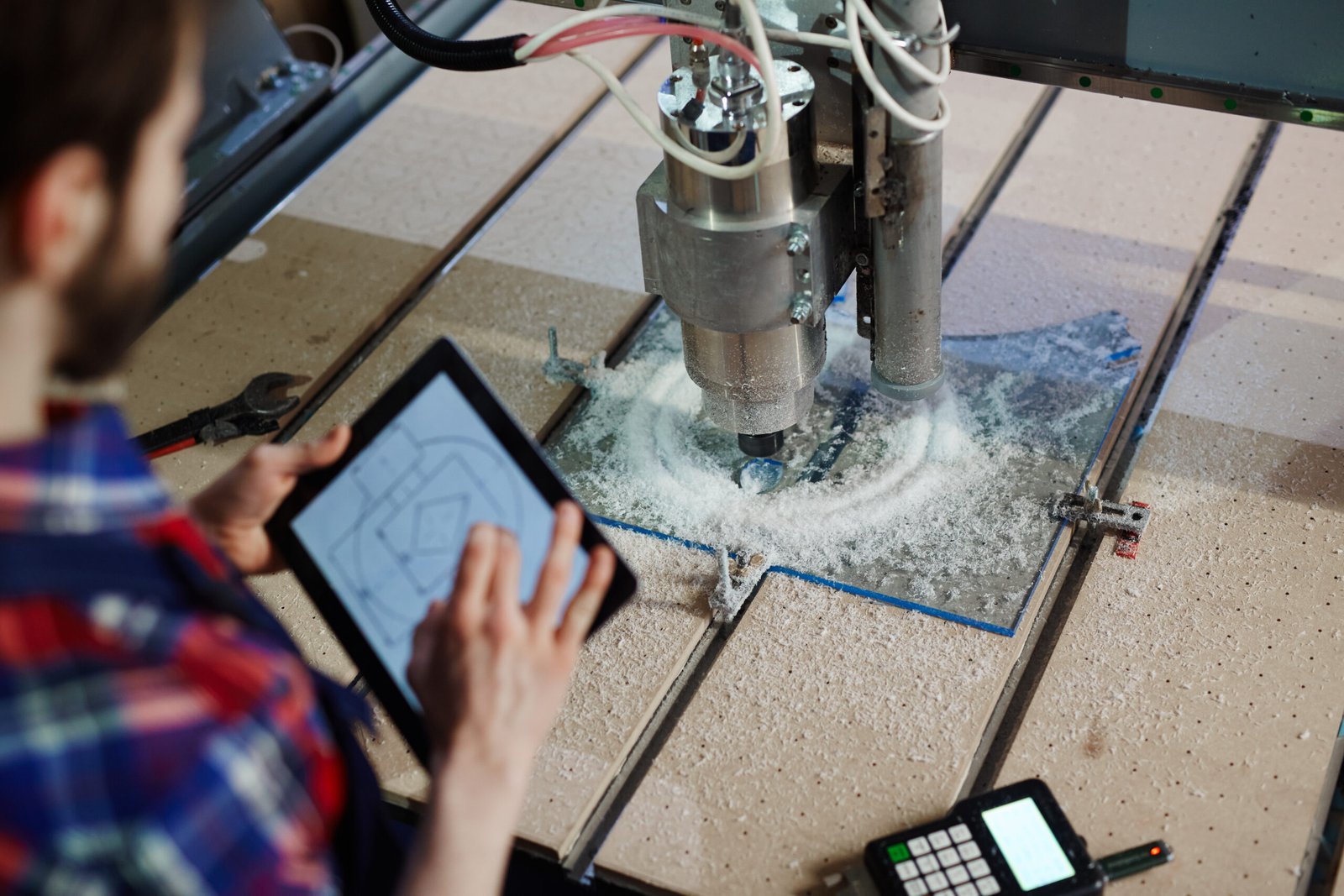
The manufacturing industry is experiencing a dramatic transformation, and Repmold has emerged as one of the most talked-about innovations in modern mold production. At its core, Repmold refers to a manufacturing approach that combines rapid prototyping techniques with precision mold-making technologies. Rather than relying entirely on conventional mold fabrication methods that often require lengthy lead times and substantial investments, Repmold focuses on accelerating the development process while maintaining quality and accuracy. Industry publications published in 2026 describe Repmold as a digital-first manufacturing strategy that integrates CAD design, additive manufacturing, automation, and advanced mold replication processes.
Think of Repmold as the bridge between creativity and production. Traditional mold-making often resembles building a custom house brick by brick, where every modification requires extensive rework. Repmold, by contrast, functions more like working with advanced digital architecture software where adjustments can be implemented rapidly before physical production begins. This flexibility enables manufacturers to test concepts, validate designs, and move toward production without excessive delays. The approach is particularly attractive for businesses operating in highly competitive sectors where speed can determine market success. As customer expectations continue to evolve and product cycles become shorter, the demand for solutions like Repmold is growing steadily across global manufacturing ecosystems.
How Repmold Differs from Traditional Mold Making
Traditional mold manufacturing has served industries well for decades, but it comes with inherent limitations. Creating steel molds often requires extensive machining, precision engineering, and long development schedules. These processes can stretch over several weeks or even months depending on complexity. Repmold changes this equation by leveraging digital workflows, rapid tooling techniques, and modern fabrication technologies to reduce delays significantly.
One of the most noticeable differences lies in adaptability. Conventional molds are often expensive to modify once manufacturing begins. Every design revision may require additional machining, labor, and cost. Repmold introduces a more agile framework where adjustments can be made early and efficiently. This is particularly valuable for startups, product developers, and companies experimenting with innovative designs. The ability to iterate quickly not only reduces risk but also encourages innovation. Instead of fearing expensive redesigns, engineers can explore multiple options and optimize products before large-scale production begins.
The Evolution of Mold Manufacturing
Traditional Manufacturing Challenges
Manufacturing has always been driven by a balance between quality, speed, and cost. Historically, achieving all three simultaneously has been difficult. Traditional mold-making methods require highly skilled technicians, expensive tooling materials, and extensive machining operations. These factors often result in high upfront investments that may be difficult for smaller businesses to justify. When product requirements change, manufacturers frequently face additional costs and delays associated with redesigning molds.
Another challenge is waste generation. Traditional processes often involve removing large quantities of material through machining operations. While effective, these methods can produce significant material waste and consume considerable energy. In today’s business environment, where sustainability and efficiency are becoming strategic priorities, organizations are increasingly searching for alternatives that reduce environmental impact while maintaining production standards. This search has contributed significantly to the growing interest in Repmold and other advanced manufacturing methodologies.
The Rise of Digital Manufacturing
Digital manufacturing represents one of the most important industrial shifts of the modern era. Technologies such as computer-aided design (CAD), 3D printing, digital twins, artificial intelligence, and automation have transformed how products are developed and produced. Repmold sits directly within this evolution, taking advantage of digital tools to streamline mold creation and replication.
Imagine trying to navigate a city using only paper maps versus using real-time GPS navigation. Traditional mold-making resembles the former, while Repmold resembles the latter. Digital systems provide instant feedback, rapid design adjustments, and greater visibility into production workflows. These capabilities allow manufacturers to make better decisions, identify issues earlier, and accelerate development cycles. As Industry 4.0 initiatives continue expanding worldwide, Repmold is increasingly viewed as a practical application of smart manufacturing principles.
How Repmold Works
Design and CAD Modeling
The Repmold workflow typically begins with digital design. Engineers create detailed three-dimensional models using advanced CAD software. Every dimension, tolerance, and feature can be refined within the virtual environment before physical production starts. This stage is critical because it establishes the foundation for accuracy throughout the entire manufacturing process. Digital modeling allows teams to simulate performance, identify design conflicts, and optimize geometry before investing in tooling.
The beauty of CAD integration lies in precision. Modern software enables engineers to create incredibly detailed models while maintaining consistency across revisions. When changes become necessary, modifications can be implemented quickly without starting from scratch. This flexibility is one of the primary reasons Repmold has gained traction among organizations focused on innovation and rapid product development. The digital-first approach reduces uncertainty and helps manufacturers achieve higher levels of confidence before moving to physical production stages.
Prototype Validation
Before full-scale mold production begins, Repmold workflows often include extensive prototype validation. This stage serves as a proving ground where designs are tested under real-world conditions. Prototypes can be produced using additive manufacturing techniques, enabling engineers to assess functionality, ergonomics, durability, and performance characteristics. Problems discovered during validation can be addressed early, preventing expensive issues later in the production cycle.
Prototype validation acts much like a rehearsal before a major theatrical performance. It allows teams to identify weaknesses, refine details, and improve overall outcomes. Companies operating in industries such as automotive, aerospace, and healthcare particularly benefit from this phase because product failures can carry significant financial and reputational consequences. By validating designs early, Repmold helps reduce risk while improving confidence in final production outcomes.
Mold Replication and Production
Once designs are validated, the actual mold replication process begins. Depending on the specific implementation, manufacturers may use advanced fabrication methods, rapid tooling technologies, automated systems, or additive manufacturing techniques to create molds efficiently. These molds can then support short-run, medium-run, or even scalable production depending on application requirements.
The resulting workflow is significantly faster than many conventional alternatives. Manufacturers gain the ability to move from concept to production in a fraction of the time traditionally required. This acceleration can provide a substantial competitive advantage, especially in industries where market timing influences profitability. Businesses that launch products faster often gain valuable opportunities to establish market presence before competitors catch up.
Key Technologies Behind Repmold
3D Printing Integration
One of the most transformative technologies supporting Repmold is 3D printing. Additive manufacturing enables the creation of complex geometries that would be difficult or impossible to achieve using traditional machining methods. By building objects layer by layer, manufacturers can produce molds, prototypes, and tooling components with remarkable efficiency.
The integration of 3D printing also supports customization. Whether creating specialized medical devices or unique consumer products, manufacturers can adapt designs without incurring excessive tooling costs. This capability aligns perfectly with modern market demands, where personalization and rapid innovation have become increasingly important. Research and industry reports consistently highlight additive manufacturing as a cornerstone of next-generation mold production strategies.
AI and Automation
Artificial intelligence is playing a growing role in manufacturing, and Repmold is no exception. AI-driven systems can analyze design parameters, optimize mold structures, predict potential issues, and improve production efficiency. Automation further enhances consistency by reducing manual intervention and minimizing the risk of human error.
Consider how modern navigation apps calculate the fastest route while continuously adjusting for traffic conditions. AI functions similarly within manufacturing environments by evaluating variables and recommending optimal solutions. As machine learning algorithms become more sophisticated, their contribution to mold design, quality control, and process optimization will likely continue expanding. This trend positions Repmold at the forefront of intelligent manufacturing innovation.
Advanced Materials
Material science represents another critical component of Repmold‘s success. New polymers, composites, and hybrid materials provide enhanced durability, flexibility, and thermal performance. These materials allow manufacturers to create molds capable of supporting increasingly demanding applications while maintaining efficiency and cost-effectiveness.
Advances in material technology also support sustainability goals. Many organizations are exploring eco-friendly alternatives that reduce waste and improve resource utilization. As material innovation continues accelerating, Repmold systems will likely gain access to even more capable and environmentally responsible options for mold production and replication.
Major Benefits of Repmold
| Benefit | Impact |
|---|---|
| Faster Development | Reduced product launch timelines |
| Lower Costs | Reduced tooling and prototyping expenses |
| Greater Flexibility | Easier design modifications |
| Improved Accuracy | Higher consistency and precision |
| Sustainability | Less waste and energy consumption |
Faster Time-to-Market
Speed is one of Repmold‘s greatest strengths. Industry sources consistently identify shorter lead times as a primary advantage of adopting digital mold replication approaches. Companies can move from concept to prototype and from prototype to production much faster than with traditional methods.
In competitive markets, timing often determines success. Launching a product several weeks earlier than competitors can create valuable opportunities for market penetration and brand recognition. Repmold provides organizations with the agility needed to respond quickly to changing customer demands and emerging industry trends.
Cost Reduction
Traditional mold manufacturing frequently involves significant upfront investments. Specialized tooling, extensive machining, and long development cycles contribute to high expenses. Repmold helps reduce many of these costs through efficient workflows, digital validation, and faster production methods.
Cost savings extend beyond initial development. By identifying issues earlier and simplifying design revisions, companies can avoid expensive rework and production delays. These financial advantages make Repmold particularly attractive to startups, small businesses, and organizations pursuing innovation within constrained budgets.
Improved Design Flexibility
Design flexibility is often described as one of Repmold‘s defining characteristics. Engineers can experiment with new ideas, test alternative configurations, and refine products without facing prohibitive tooling costs. This freedom encourages innovation and enables organizations to pursue ambitious design objectives.
The flexibility offered by Repmold resembles working with digital documents rather than printed pages. Adjustments can be made quickly and efficiently, allowing teams to refine products continuously throughout the development process. Such adaptability is invaluable in industries where customer preferences and market conditions evolve rapidly.
Sustainability Advantages
Environmental responsibility has become a major business priority. Repmold contributes to sustainability efforts by reducing material waste, optimizing production workflows, and supporting on-demand manufacturing models. Industry analyses suggest that digital manufacturing approaches can help organizations minimize resource consumption while improving efficiency.
Producing only what is needed reduces excess inventory and unnecessary waste. Combined with advances in recyclable materials and energy-efficient production methods, Repmold supports broader sustainability objectives without compromising performance or profitability.
Industry Applications of Repmold
Automotive Manufacturing
The automotive industry relies heavily on innovation, precision, and speed. Vehicle manufacturers continually introduce new models, features, and technologies. Repmold enables rapid testing of components, supports prototype development, and accelerates production readiness. From dashboard elements to structural components, the technology helps streamline product development while maintaining quality standards.
Medical Devices
Healthcare manufacturing demands exceptional accuracy and reliability. Repmold provides medical device developers with tools for creating prototypes, validating designs, and producing specialized components efficiently. The ability to iterate rapidly can shorten development timelines while ensuring compliance with strict performance requirements. As personalized healthcare solutions become more common, Repmold‘s customization capabilities are becoming increasingly valuable.
Electronics and Consumer Products
Consumer electronics markets move at remarkable speed. New devices, accessories, and technologies emerge constantly, creating pressure for faster product development cycles. Repmold helps manufacturers keep pace by enabling rapid prototyping, efficient design revisions, and streamlined production workflows. Whether producing smartphone components or smart home devices, the technology supports agility and innovation.
Aerospace and Defense
Aerospace applications demand precision engineering and rigorous testing. Repmold enables engineers to evaluate complex geometries, experiment with innovative designs, and accelerate development activities. While final production may still require specialized manufacturing processes, Repmold significantly improves efficiency during the design and validation stages. This advantage can reduce costs while supporting technological advancement in highly demanding environments.
Challenges and Limitations of Repmold
Despite its many advantages, Repmold is not without limitations. Some replicated molds may not match the lifespan of traditional steel tooling, particularly in extremely high-volume production scenarios. Material compatibility can also present challenges depending on application requirements and environmental conditions. Organizations adopting Repmold may need to invest in workforce training, digital infrastructure, and process integration to maximize benefits.
Another consideration involves balancing speed with quality. While rapid development is valuable, manufacturers must maintain rigorous validation and quality assurance procedures. Successful implementation requires thoughtful planning, experienced personnel, and a clear understanding of production objectives. Businesses that approach Repmold strategically are more likely to achieve sustainable results and long-term competitive advantages.
The Future of Repmold Technology
The future of Repmold appears exceptionally promising. Industry experts increasingly associate advanced mold replication with broader trends in artificial intelligence, automation, additive manufacturing, and smart factories. Emerging technologies are expected to enhance precision, improve material performance, and further reduce development timelines.
Digital twins, predictive analytics, and AI-assisted design systems could soon become standard components of Repmold workflows. These capabilities would allow manufacturers to simulate production scenarios, anticipate issues, and optimize performance before physical manufacturing begins. The result could be unprecedented levels of efficiency and customization. As global industries continue embracing Industry 4.0 principles, Repmold is positioned to play a central role in shaping the next generation of manufacturing innovation.
Conclusion
Repmold represents a powerful evolution in modern manufacturing. By combining digital design, rapid prototyping, advanced materials, automation, and mold replication technologies, it offers a practical solution to many of the challenges associated with traditional mold-making. The approach enables faster development cycles, lower costs, greater flexibility, and improved sustainability, making it highly attractive across industries ranging from automotive and aerospace to healthcare and consumer electronics.
As businesses compete in increasingly dynamic markets, the ability to innovate quickly has become a strategic necessity rather than a luxury. Repmold provides manufacturers with the tools needed to adapt, experiment, and deliver products faster without sacrificing quality. While challenges remain, ongoing advancements in AI, additive manufacturing, and material science are likely to strengthen Repmold‘s capabilities even further. Organizations that embrace these innovations today may find themselves leading the manufacturing landscape of tomorrow.
FAQs
1. What does Repmold mean?
Repmold generally refers to a modern mold replication and manufacturing approach that combines digital design, rapid prototyping, and advanced production technologies to create molds faster and more efficiently.
2. Is Repmold suitable for mass production?
Repmold can support low-volume and medium-volume production effectively. For extremely large production runs, traditional hardened steel molds may still be preferred depending on durability requirements.
3. What technologies are used in Repmold?
Common technologies include CAD software, 3D printing, automation systems, AI-driven optimization tools, advanced materials, and digital manufacturing workflows.
4. Which industries benefit most from Repmold?
Automotive, aerospace, medical devices, electronics, consumer goods, and industrial manufacturing sectors are among the primary beneficiaries of Repmold technology.
5. Why is Repmold becoming popular in 2026?
Growing demand for faster product development, lower production costs, customization, sustainability, and Industry 4.0 integration is driving increased interest in Repmold solutions.



Introduction
When unexpected expenses arise and traditional banks have turned you away, the promise of fast, accessible credit can feel like a lifeline. CreditFresh is one such platform that offers a personal line of credit ranging from $500 to $5,000, with the allure of same-day funding and no minimum credit score requirement. However, beneath the surface of quick approvals and flexible borrowing lies a complex financial product that can either be a helpful short-term tool or an expensive debt trap. This comprehensive review of CreditFresh, updated for 2026, will dissect the reality of its costs, analyze extensive customer feedback, explain how the application process works, and provide a balanced perspective on who should—and absolutely should not—consider this lender. By the end of this article, you will have a clear understanding of whether CreditFresh offers a “fresh” financial start or a path to further financial strain.
Understanding the CreditFresh Line of Credit
What Is CreditFresh and How Does It Work?
CreditFresh is not a traditional personal loan provider; it is a fintech platform that facilitates a revolving line of credit through its FDIC-insured bank partners, which include CBW Bank, First Electronic Bank, and Column N.A. . Founded in 2019 and headquartered in Newark, Delaware, CreditFresh is owned by Propel Holdings Inc., a publicly traded company on the Toronto Stock Exchange (TSX: PRL) . This public listing adds a layer of regulatory accountability, confirming that it is a legitimate, albeit controversial, business operation.
The core product is a revolving line of credit, which functions similarly to a credit card. Once approved, you are assigned a credit limit between $500 and $5,000. You can draw funds as you need them, and as you repay the balance, your available credit is replenished without the need to reapply . This flexibility is a key selling point, especially for individuals facing recurring or unexpected expenses.
However, the cost structure is where CreditFresh diverges significantly from a standard credit card. Instead of a traditional Annual Percentage Rate (APR), CreditFresh charges a fixed “Billing Cycle Charge” based on your average daily balance during each billing period . This charge is applied every two weeks, effectively creating a bi-weekly payment schedule that can be confusing for borrowers accustomed to monthly payments . For instance, if a customer draws $1,500, they might pay around $85 in billing cycle charges every two weeks. In the first three months alone, this can accumulate to over $500 in charges while the principal balance decreases by a fraction of that amount . This can lead to a situation where a loan feels “forever,” as one customer lamented on Trustpilot, paying high fees while barely touching the principal .
CreditFresh Eligibility and Application Process
The application process is designed to be fast and accessible, making it attractive to those who have been rejected elsewhere. Here is a step-by-step breakdown of the journey from application to funding :
Eligibility Check (Soft Pull): The process begins with a “soft” credit inquiry by submitting basic personal and financial information. This does not affect your credit score and allows you to see if you pre-qualify and get an estimate of your potential credit limit.
Full Application (Hard Pull): If you choose to proceed, CreditFresh initiates a “hard” credit inquiry, which will temporarily lower your credit score by a few points. This is the official application submitted to one of their bank partners.
Approval and Credit Limit: CreditFresh does not require a minimum credit score. Instead, approval is heavily based on your full financial profile, including verifiable income, bank account activity, and employment status . This makes it genuinely accessible to borrowers with poor or limited credit history. Approved applicants receive a credit limit between $500 and $5,000.
Accessing Funds: Once approved, you can request a draw from your available credit. Funds are transferred to your checking account, with same-day funding available for applications approved before the cut-off time, typically 3:30 PM ET on business days .
The True Cost of Borrowing from CreditFresh
Billing Cycle Charges vs. Traditional Interest
To fully grasp the cost of CreditFresh, one must understand the distinction between their fee structure and a traditional APR. CreditFresh markets its product as a “billing cycle charge,” which is a flat fee assessed per payment period. This is not the same as interest that accrues daily on a declining balance. The effective annual cost of this charge can range from a staggering 65% to over 200%, depending on the balance and payment behavior .
For a borrower who makes only the minimum payment, the financial math is punishing. A review of numerous customer complaints and analyses reveals a consistent pattern: a significant portion of each payment is consumed by the billing cycle charge. For example, one Trustpilot reviewer reported paying $99.90 every two weeks, where only $14.00 went toward the principal, and the remaining $85.00 was the fee . Another reviewer on WalletHub highlighted a scenario where a $2,000 loan would cost over $11,000 over five years if only minimum payments were made . This dynamic is the source of countless complaints, where users feel “robbed” and trapped in a cycle of debt .
This exorbitant cost is in stark contrast to more traditional options. The Consumer Financial Protection Bureau (CFPB) has guidelines for Payday Alternative Loans (PALs) offered by credit unions, which cap interest at 28% . A credit card with a 24% APR would cost roughly $20 per month in interest on a $1,500 balance, compared to the $170+ per month in billing charges that a CreditFresh customer might pay on the same balance . This comparison underscores why financial experts often recommend exploring other avenues before turning to high-cost, fee-based lenders.
Legitimacy, Reputation, and Customer Service
Is CreditFresh Legit or a Scam?
The question of whether CreditFresh is a scam or a legitimate operation is a common one, especially given the intensity of negative reviews. The answer is nuanced. CreditFresh is a legitimate, registered company that operates within federal and state regulations. Its parent company, Propel Holdings, is publicly traded, and its bank partners are FDIC-insured . The company also provides disclosures regarding its fees during the application process, which is a primary argument they use when responding to complaints .
However, many customers argue that while the company may be technically compliant, its practices are predatory. Critics state that the terms are not clearly laid out in a way that an average, potentially desperate, borrower can easily understand . The company’s legal compliance and legitimate business status do not negate the fact that its products are incredibly expensive and can be financially devastating for those who do not fully understand the cost structure. The intense volume of complaints on sites like the Better Business Bureau and WalletHub demonstrates a significant gap between the company’s promises of transparency and the lived experience of many of its customers. As one BBB complainant stated, “This is a scam and it is not clearly laid out what the fees are and how they are structured” .
Analyzing Customer Reviews and Complaints
A review of customer feedback reveals a deeply polarized picture, with a clear divide between positive and negative experiences.
On the Positive Side: Many reviews on Trustpilot, where CreditFresh has a 4.5-star rating, praise the company for providing a vital service when no one else would. Customers often highlight the speed of approval and funding, with many stating, “It’s easy to apply, quick response once approved and to receive funds,” and “they were there when I needed them” . For borrowers with poor credit facing an urgent emergency, the access to fast cash is understandably a relief. Some also appreciate the customer service, noting that associates are “professional, kind and helpful” . The platform’s accessibility and speed are its most powerful selling points.
On the Negative Side: The negative sentiment is overwhelming and centers on the high cost and the perception of predatory practices. The Better Business Bureau (BBB) shows nearly 280 complaints in the last three years, primarily regarding billing issues . Customers frequently express that they feel “cheated” and “robbed,” using terms like “scam” and “predatory” to describe the company . A common thread is the shock and anger at the high billing charges and the realization that minimum payments barely reduce the principal. One reviewer stated, “Don’t do it. Very predatory. The bot responding to all their bad reviews… does not also mention they purposely make it hard to read and understand” . The disparity between the ease of getting the loan and the difficulty of paying it off without incurring massive fees is the core of the negative experience.
Conclusion
CreditFresh presents a classic financial dilemma: high risk in exchange for high accessibility. For a narrow subset of consumers facing an urgent short-term need, it can serve as a last-resort option when no other doors are open. Its primary advantages are undeniable—same-day funding, a revolving line of credit, and no minimum credit score requirement make it a viable option for those with poor or no credit history who are locked out of the traditional banking system. The application is simple, and in a financial emergency, the availability of funds can feel like a godsend.
However, for the vast majority of potential borrowers, CreditFresh is an expensive and potentially dangerous financial instrument. The “billing cycle charge” structure is fundamentally not transparent to many, and the effective APR can soar to 200%, creating a situation where a borrower can make payments for months and see their balance remain stubbornly high. The countless complaints of being trapped in a “forever loan” are a stark warning. The math is simple: using CreditFresh for anything other than a short-term bridge that you can repay in full within one or two billing cycles is likely to result in financial harm. It is highly recommended to exhaust every other alternative, including credit union payday alternative loans (PALs), secured credit cards, or even negotiating payment plans with creditors, before turning to CreditFresh. If you do choose to proceed, the most critical advice from seasoned reviewers is to treat the credit line like a cash advance and pay off the balance aggressively and as quickly as possible to avoid the crippling costs.
Frequently Asked Questions (FAQ)
1. Is CreditFresh a legitimate company?
Yes, CreditFresh is a legitimate company. It was founded in 2019 and is owned by Propel Holdings Inc., a publicly traded company on the Toronto Stock Exchange (TSX: PRL) . It operates through FDIC-insured bank partners like CBW Bank and First Electronic Bank . While legitimate, many consumers and financial experts criticize its lending practices and cost structure.
2. What credit score do you need for CreditFresh?
CreditFresh does not require a minimum credit score for approval . Their approval process focuses on a full financial profile, including verifiable income, bank account history, and employment status, making it accessible to borrowers with poor or no credit.
3. What are the interest rates and fees for CreditFresh?
CreditFresh does not use a traditional APR. It charges a “Billing Cycle Charge,” a flat fee based on your average daily balance during each payment period. This is assessed bi-weekly. The effective annualized cost ranges from 65% to over 200% . They do not charge origination fees, late fees, or prepayment penalties .
4. Does CreditFresh report to credit bureaus?
Yes, CreditFresh reports payment history to TransUnion . This means that making consistent, on-time payments can help you build a positive credit history, while missed payments can significantly harm your credit score.
5. How long does CreditFresh take to fund a loan?
CreditFresh offers fast funding. If approved before the cut-off time (typically 3:30 PM ET) on a business day, funds may be deposited into your bank account as soon as the same business day . Funding times can vary depending on your bank’s policies.
Tech
The Ultimate Guide to Capital IQ: Features, Benefits, and How It Compares to Competitors for Financial Intelligence



 Techknology3 months ago
Tracqueur: The Complete Guide to Modern Tracking Technology
- Business3 months ago
Suhaib Zaino: Biography, Career, Background, and Public Profile
- Lifestyle3 months ago
Wolverhampton Tips: The Ultimate Local’s Guide to the West Midlands Gem
- Health3 months ago
Fanati̇şk: The Psychology of Passion, Its Societal Impact, and the Fine Line Between Devotion and Delusion
- Tech3 months ago
The Ultimate Guide to Capital IQ: Features, Benefits, and How It Compares to Competitors for Financial Intelligence
- Fashion3 months ago
Janet Lee Constantine: The Private Life, Family, and Legacy of Leon Russell’s Devoted Wife
- Tech3 months ago
CreditFresh Review 2026: Is This Line of Credit a Smart Choice or a Costly Trap?
- Game2 months ago
Wheon: The Digital Neighborhood for Retro Gamers and the Rise of a Controversial Figure