
Business
What Is Stormuring? The Complete 2026 Guide to Meaning, Uses, and Why It’s Trending


If you’ve recently searched for “What is Stormuring?”, you’re not alone. Stormuring has quickly become one of the most talked-about emerging concepts of 2026, appearing in discussions about construction, business innovation, leadership, creativity, resilience, and personal development.
What makes this term unique is that it carries two distinct yet connected meanings. On one hand, it refers to a high-performance weatherproof mortar used in construction. On the other, it has evolved into a modern philosophy of adaptive growth, encouraging individuals and organizations to transform uncertainty into opportunity.
In a world shaped by AI disruption, economic volatility, climate challenges, and rapid technological change, stormuring represents a fresh way of thinking: don’t simply survive the storm—grow within it.
This complete guide explains everything you need to know about Stormuring, including its definition, origin, construction applications, business relevance, creative uses, and why it’s becoming one of 2026’s fastest-growing concepts.
What Is Stormuring? The Dual Definition Explained
One reason Stormuring has become so popular is that it has two separate meanings, each important in its own field.
Stormuring in Construction
In construction, Stormuring refers to a pre-mixed dry mortar from the Norwegian Hey’di product line. It is specifically engineered for high-performance masonry, rendering, waterproofing, and weather-resistant construction.
Its Norwegian name roughly translates to “storm masonry,” highlighting its purpose of protecting structures against harsh weather conditions.
Builders rely on Stormuring because it provides:
- Superior waterproofing
- Strong adhesion to masonry
- Excellent durability
- Resistance to cracking
- Long-lasting exterior protection
Stormuring as a Modern Mindset
The second—and increasingly dominant—meaning of Stormuring has emerged in leadership, entrepreneurship, innovation, and self-development.
Here, Stormuring describes the process of:
Turning chaos into growth through adaptation, resilience, creativity, and continuous transformation.
Instead of waiting for difficult situations to pass, Stormuring encourages people to learn, create, innovate, and evolve while uncertainty still exists.
This philosophy has become increasingly relevant throughout 2026, where rapid change has become the new normal.
The Real Meaning and Origin of Stormuring
The word Stormuring is powerful because it combines several symbolic ideas.
At its core, it blends:
- Storm — representing disruption, uncertainty, challenge, raw energy, and transformation.
- Murmuring — representing quiet insight, reflection, intuition, and subtle guidance.
- Nurturing — representing growth, development, and long-term progress.
Together, these ideas create a concept that goes beyond traditional resilience.
Unlike older approaches that emphasize “bouncing back” after hardship, Stormuring suggests growing during adversity rather than after it.
Its central philosophy is simple:
Chaos is not the opposite of growth—it can become the foundation for growth.
Many leadership experts now describe Stormuring as:
- The Hidden Art of Resilience in Motion
- The Quiet Revolution of Emerging Technology
- Calm Within Turbulence
- Structured Adaptation During Uncertainty
In today’s rapidly changing world, Stormuring encourages individuals and organizations to remain grounded while continuously adapting.
Stormuring in Construction: The Weatherproof Rendering Solution
Outside of its philosophical meaning, Stormuring remains an established construction material.
The Hey’di Stormuring mortar is designed specifically for environments exposed to heavy moisture, freezing temperatures, and severe weather.
Its applications include:
- Exterior wall rendering
- Basement waterproofing
- Masonry repairs
- Protective plaster systems
- Weather-resistant coatings
Key Benefits of Stormuring Mortar
100% Waterproofing
Stormuring is engineered to minimize water penetration, helping buildings remain dry even during extreme weather.
Outstanding Durability
Developed to withstand challenging Norwegian climate conditions, the mortar maintains structural integrity over many years.
Excellent Bond Strength
It adheres effectively to both new and existing masonry, making it suitable for renovation as well as new construction.
Crack Resistance
Stormuring reduces the likelihood of cracking caused by freeze-thaw cycles, temperature fluctuations, and long-term weather exposure.
For contractors, engineers, and property owners, Stormuring continues to be a trusted solution for long-lasting structural protection.
Stormuring as a Mindset: Turning Chaos Into Opportunity
While builders use Stormuring to strengthen buildings, entrepreneurs and creators use it to strengthen themselves.
The Stormuring mindset teaches that uncertainty should not delay progress.
Instead, difficult situations become the raw material for:
- Innovation
- Creativity
- Leadership
- Problem-solving
- Personal growth
Rather than asking:
“How do I avoid uncertainty?”
Stormuring asks:
“How can I grow because of uncertainty?”
How to Practice the Stormuring Mindset
1. Create Before Conditions Are Perfect
Waiting for ideal circumstances often delays success.
Stormuring encourages people to launch, publish, build, and experiment while conditions are still evolving.
2. Listen to the Quiet Signals
During chaos, the loudest problems receive the most attention.
Stormuring teaches us to notice the small opportunities, subtle trends, and overlooked insights hidden beneath the noise.
3. Continue Nurturing Growth
Even during stressful periods, continue investing in:
- Skills
- Relationships
- Health
- Knowledge
- Long-term goals
Growth does not pause simply because life becomes difficult.
Stormuring vs. Brainstorming: Understanding the Difference
Many people compare Stormuring with Brainstorming, but they are not the same process.
| Brainstorming | Stormuring |
|---|---|
| Calm idea generation | Dynamic creative adaptation |
| Focuses on producing ideas | Focuses on evolving through disruption |
| Usually follows structure | Embraces controlled uncertainty |
| Short-term creativity | Long-term transformation |
A simple way to remember the difference is:
Brainstorming = Calm idea shower.
Stormuring = Intentional creative storm.
Many startups now organize Stormuring Sprints, where teams intentionally work through uncertainty, rapidly test ideas, adapt to market feedback, and continuously improve instead of waiting for perfect planning.
This approach has become especially valuable in industries affected by:
- Artificial Intelligence
- Digital marketing
- Software development
- Product design
- Creative media
- Business innovation
How to Apply Stormuring in Business and Everyday Life
Stormuring is more than an interesting concept—it offers practical strategies that anyone can use.
For Business Leaders
Replace rigid long-term planning with adaptive innovation.
Successful organizations build flexible systems capable of evolving as markets change.
When conditions shift, they adjust quickly rather than resisting change.
For Entrepreneurs
Treat uncertainty as valuable market feedback.
Instead of waiting until every detail is perfect, launch products, collect data, and improve continuously.
For Content Creators and Students
Some of your best work will emerge during imperfect circumstances.
Stormuring encourages consistent progress rather than waiting for inspiration.
For Personal Development
Develop grounded resilience through habits such as:
- Meditation
- Journaling
- Reflection
- Lifelong learning
- Healthy routines
Stormuring recognizes that emotional strength develops through consistent adaptation.
The most successful people in 2026 are rarely storm chasers or storm avoiders.
They become storm nurturers—individuals who learn to transform uncertainty into lasting growth.
Why Stormuring Is Trending in 2026—and Why It Matters
Searches for “Stormuring meaning,” “Stormuring guide 2026,” and “What is Stormuring?” continue to increase because the concept reflects today’s reality.
Modern society faces constant disruption:
- Artificial Intelligence transforming industries
- Climate-related challenges
- Economic uncertainty
- Rapid technological innovation
- Changing workplace expectations
- Global digital transformation
Traditional advice often focused on surviving difficult periods.
Stormuring introduces a more proactive philosophy:
Use uncertainty as fuel for progress.
Its two meanings reinforce the same lesson.
The construction product protects buildings against storms.
The modern mindset helps people thrive during life’s storms.
Both demonstrate a common principle:
Strength is built by preparing for adversity—not avoiding it.
Final Thoughts
Stormuring is both a practical construction solution and a powerful modern philosophy.
In construction, it represents a durable, waterproof rendering system designed to withstand some of the world’s toughest weather conditions.
In leadership, creativity, and personal development, it symbolizes adaptive growth, encouraging people to embrace uncertainty instead of fearing it.
As 2026 continues to reshape business, technology, education, and everyday life, Stormuring offers a timely reminder that lasting success rarely comes from waiting for calm—it comes from learning to grow within the storm.
Whether you’re waterproofing a building or future-proofing your mindset, the message remains the same:
Don’t wait for clear skies. Start your own Stormuring today, and transform every challenge into an opportunity for stronger, smarter, and more resilient growth.

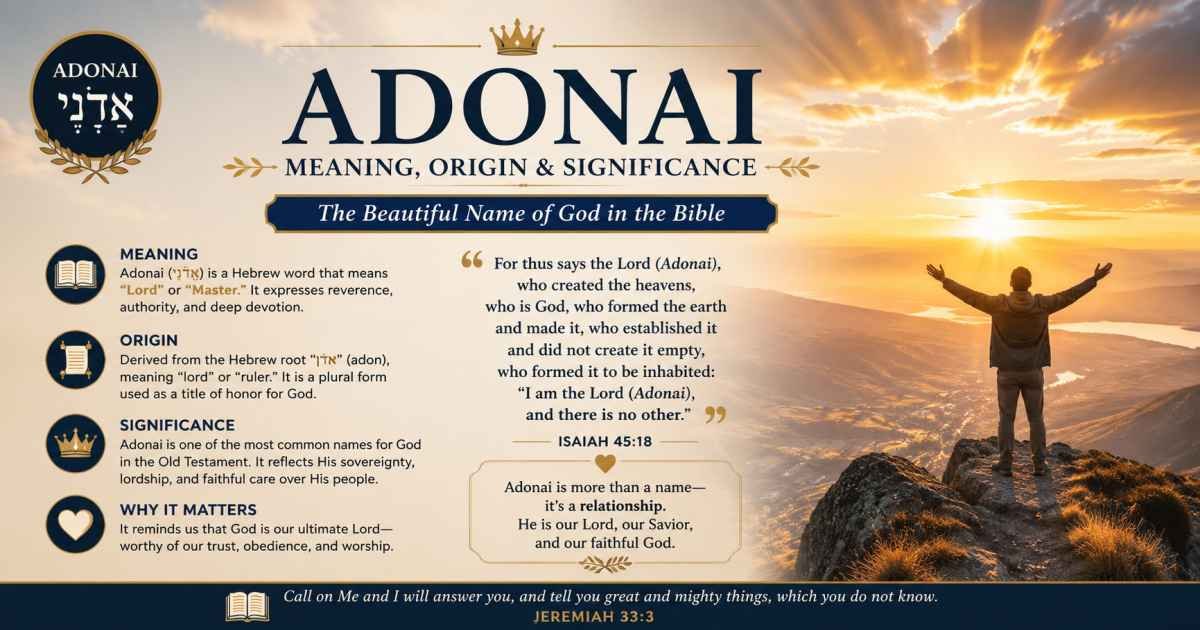
The word Adonai is one of the most powerful and meaningful names for God found in the Bible. For thousands of years, believers have used Adonai to express God’s authority, sovereignty, and lordship. In 2026, interest in the meaning of Adonai continues to grow as people study biblical Hebrew, deepen their faith, and explore the rich symbolism behind the names of God.
Unlike a personal name, Adonai is a title that emphasizes God’s supreme rule over creation. It reminds believers that God is the ultimate Master, King, and Lord who deserves worship, obedience, and complete trust.
This guide explains the meaning of Adonai, its biblical origins, pronunciation, scriptural significance, and how Christians and Jews understand this sacred title today.
What Does Adonai Mean?
The Hebrew word Adonai (אֲדֹנָי) literally means “Lord” or “My Lord.” It comes from the Hebrew root “Adon,” meaning master, owner, ruler, or lord. The ending “-ai” expresses respect and majesty, making Adonai a reverent title for God.
Throughout the Old Testament, Adonai emphasizes God’s position as:
- Supreme Lord
- Sovereign King
- Master of all creation
- Ruler over nations
- Protector of His people
For believers, calling God Adonai is an acknowledgment that He alone has ultimate authority over every aspect of life.
The Biblical Origin of Adonai
The title Adonai appears hundreds of times throughout the Hebrew Bible (Old Testament). It is frequently used in prayers, worship, prophecy, and conversations between God and His people.
One important reason for its use is its connection with God’s sacred covenant name, represented by the four Hebrew letters YHWH, often called the Tetragrammaton.
Out of deep reverence, Jewish tradition avoids pronouncing the divine name YHWH aloud during Scripture reading. Instead, readers traditionally say Adonai, meaning “Lord,” whenever they encounter the divine name in the biblical text.
This practice has continued for centuries and remains an important tradition in Jewish worship today.
Adonai in the Bible
The title Adonai appears in many significant passages that highlight God’s power, mercy, justice, and faithfulness.
Some well-known examples include:
Genesis 15:2
Abraham addresses God as “Adonai LORD” while discussing God’s promises concerning his descendants.
Psalm 8:1
“O LORD, our Lord, how majestic is your name in all the earth!”
This psalm celebrates God’s greatness and His authority over all creation.
Isaiah 6:1
The prophet Isaiah receives a vision of the Lord seated on His throne, emphasizing God’s holiness and sovereignty.
Psalm 110:1
This well-known messianic psalm speaks of God’s authority and is later quoted multiple times in the New Testament.
Throughout Scripture, Adonai consistently communicates that God reigns above kings, kingdoms, and the entire universe.
The Spiritual Meaning of Adonai
Understanding the meaning of Adonai goes beyond language. It teaches important spiritual truths that remain relevant for believers in 2026.
1. God Is the Supreme Authority
Calling God Adonai recognizes Him as the highest authority above governments, leaders, wealth, and human power.
2. God Is Worthy of Worship
The title reminds believers that worship belongs to God alone because He created and sustains all things.
3. God Guides His People
As Lord, God provides wisdom, direction, and purpose for those who trust Him.
4. God Protects and Cares
Adonai reflects not only authority but also loving leadership. Throughout Scripture, God cares for His people like a faithful shepherd.
5. God Deserves Obedience
Believers honor Adonai by following His teachings with humility, faith, and love.
Adonai Compared With Other Biblical Names of God
The Bible contains many names and titles that reveal different aspects of God’s character. While each highlights a unique attribute, they work together to provide a fuller understanding of who God is.
| Name | Meaning | Main Emphasis |
|---|---|---|
| Adonai | Lord, My Lord | God’s authority and sovereignty |
| Elohim | God | Creator and mighty power |
| El Shaddai | God Almighty | Strength, blessing, and provision |
| Jehovah Jireh | The Lord Will Provide | God’s faithful provision |
| Jehovah Rapha | The Lord Who Heals | Healing and restoration |
| Jehovah Shalom | The Lord Is Peace | Peace and wholeness |
| Jehovah Nissi | The Lord Is My Banner | Victory and protection |
Each name reveals another dimension of God’s relationship with humanity, but Adonai particularly emphasizes His rightful lordship over every believer’s life.
How Is Adonai Pronounced?
The most common English pronunciation is:
Ah-doh-NYE
The final syllable rhymes with the word “eye.”
In Hebrew worship, pronunciation may vary slightly depending on regional accents and liturgical traditions, but the meaning remains the same.
Because Adonai is regarded as a sacred title, it is traditionally spoken with reverence during prayer, worship, and Scripture reading.
Why Adonai Still Matters in 2026
Although written thousands of years ago, the title Adonai continues to inspire believers around the world.
In today’s fast-changing world, many people face uncertainty, anxiety, and difficult decisions. Remembering God as Adonai encourages believers to place their confidence in His eternal wisdom rather than temporary circumstances.
The title also reminds Christians and Jews alike that:
- God remains sovereign over history.
- His authority never changes.
- His promises remain faithful.
- He is worthy of trust in every season.
- Faith grows through surrender to God’s leadership.
Many churches include Adonai in worship songs, Bible studies, and prayers because it expresses both reverence and intimacy with God.
Final Thoughts
The meaning of Adonai is far more than simply the word “Lord.” It is a profound biblical title that declares God’s supreme authority, faithful leadership, and eternal sovereignty. From the earliest pages of the Old Testament to modern worship in 2026, Adonai has reminded believers that God is the rightful Master of heaven, earth, and every human heart.
Studying the name Adonai helps deepen biblical understanding while encouraging a life of faith, humility, and obedience. Whether encountered during personal Bible study, prayer, or worship, this sacred title points to a God who rules with justice, mercy, wisdom, and unfailing love.
For anyone seeking a richer understanding of the Bible, Adonai remains one of the most significant and inspiring names of God, inviting believers to trust His guidance, honor His authority, and worship Him with wholehearted devotion.
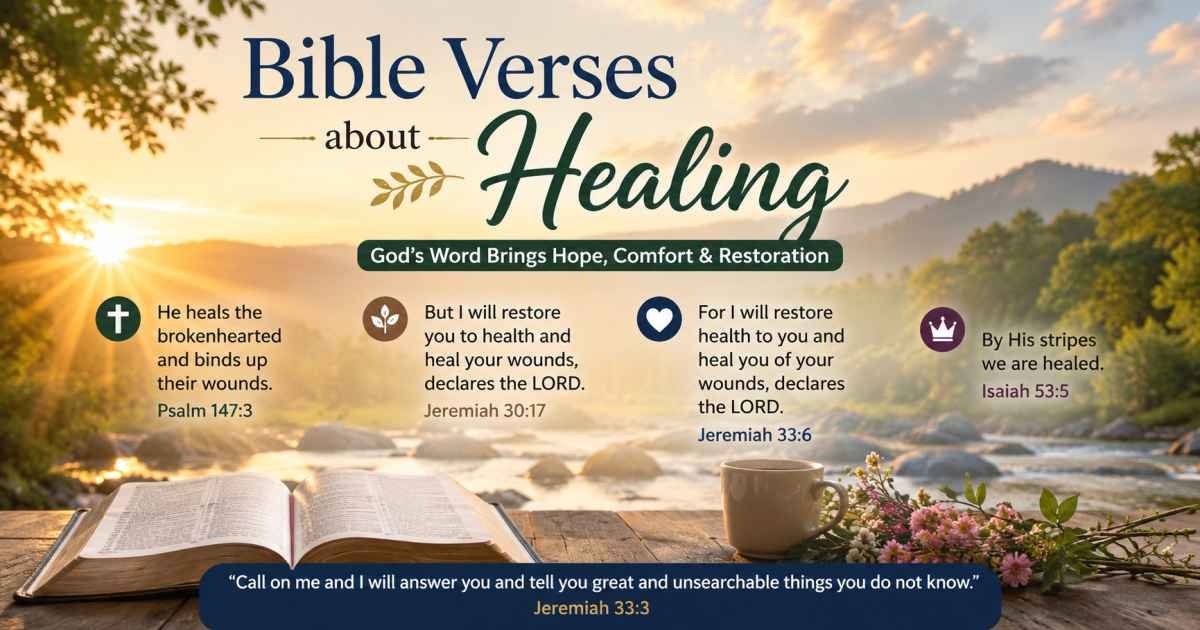
Healing is one of the most comforting themes found throughout the Bible. Whether you are seeking physical healing, emotional restoration, mental peace, or spiritual renewal, God’s Word offers encouragement, hope, and reassurance. In 2026, millions of people continue turning to Bible verses about healing for comfort during illness, grief, anxiety, and life’s many challenges.
While healing may not always happen in the way or timing we expect, Scripture consistently reminds believers that God is compassionate, faithful, and present through every season. These verses strengthen faith, encourage prayer, and remind us that God’s love never fails.
This guide explores some of the most meaningful healing Bible verses, their significance, and how they can encourage your daily walk with God.
Why Healing Is an Important Theme in the Bible
From Genesis to Revelation, healing appears as a powerful expression of God’s mercy and love. Throughout Scripture, God heals individuals through miracles, prayer, faith, and His divine power.
Biblical healing includes several dimensions:
- Physical healing from sickness or injury.
- Emotional healing from grief, fear, and brokenness.
- Mental healing from anxiety and despair.
- Spiritual healing through forgiveness and salvation.
- Relational healing that restores families and communities.
Jesus’ earthly ministry especially emphasized compassion toward the sick, demonstrating that God’s care extends to every part of human life.
Powerful Bible Verses About Healing
Here are some of the most inspiring Scriptures about healing that believers often turn to during difficult times.
Jeremiah 17:14
“Heal me, Lord, and I will be healed; save me and I will be saved, for you are the one I praise.”
This verse is a heartfelt prayer that recognizes God as the ultimate source of healing. It reminds believers that true healing comes from trusting the Lord.
Isaiah 53:5
“By his wounds we are healed.”
One of the most quoted healing passages, this prophecy points to Jesus Christ and the spiritual healing made possible through His sacrifice.
Psalm 147:3
“He heals the brokenhearted and binds up their wounds.”
Healing is not only physical. God also restores broken hearts, offering comfort after loss, disappointment, or emotional pain.
Exodus 15:26
“I am the Lord, who heals you.”
God reveals Himself as Jehovah Rapha, meaning “The Lord Who Heals.” This name reflects His loving nature and His desire to care for His people.
James 5:14–15
“Is anyone among you sick? Let them call the elders of the church to pray over them…”
This passage encourages believers to seek prayer, community support, and faith during illness.
Psalm 103:2–3
“Praise the Lord… who forgives all your sins and heals all your diseases.”
These verses celebrate God’s compassion, forgiveness, and healing power.
Matthew 11:28
“Come to me, all you who are weary and burdened, and I will give you rest.”
Although focused on spiritual rest, this verse offers tremendous encouragement to those struggling emotionally or physically.
3 John 1:2
“I pray that you may enjoy good health and that all may go well with you.”
This verse reflects God’s desire for overall well-being, including physical and spiritual health.
Healing Through Jesus Christ
The New Testament records numerous miracles performed by Jesus, demonstrating His compassion and divine authority.
Some well-known examples include:
- Healing the blind.
- Healing people with leprosy.
- Restoring those who could not walk.
- Healing the woman with the issue of blood.
- Raising the dead.
- Casting out unclean spirits.
These miracles reveal not only Christ’s power but also His compassion toward those who suffered.
Jesus often responded to faith, prayer, and sincere trust, showing that healing is closely connected with God’s loving relationship with His people.
How to Pray Using Bible Verses About Healing
Many Christians include Scripture in their daily prayers because God’s Word strengthens faith and provides encouragement.
A simple healing prayer may include these steps:
- Begin with gratitude, thanking God for His love and faithfulness.
- Read a healing Scripture aloud, such as Jeremiah 17:14 or Psalm 147:3.
- Present your request honestly, sharing your physical or emotional needs.
- Pray for wisdom for doctors, caregivers, and loved ones.
- Trust God’s timing, even if immediate healing does not come.
- End with thanksgiving, believing God continues working in every situation.
Praying Scripture helps believers focus on God’s promises instead of fear.
Bible Verses for Different Types of Healing
Different seasons of life call for different encouragement. Here are several healing categories along with helpful verses.
For Physical Healing
- Jeremiah 30:17
- James 5:14–15
- Psalm 103:2–3
- Isaiah 53:5
For Emotional Healing
- Psalm 147:3
- Matthew 11:28
- Philippians 4:6–7
- Psalm 34:18
For Strength During Illness
- Isaiah 41:10
- Deuteronomy 31:8
- Joshua 1:9
- Romans 8:28
For Peace and Comfort
- John 14:27
- Psalm 23
- Romans 15:13
- 2 Corinthians 1:3–4
These passages remind believers that God’s presence remains constant, regardless of circumstances.
What Bible Verses About Healing Teach Us in 2026
Today’s world continues to face health challenges, emotional stress, uncertainty, and personal struggles. For many believers, Bible verses about healing provide hope that extends beyond temporary circumstances.
Scripture teaches several timeless truths:
- God hears sincere prayers.
- Healing includes body, mind, and spirit.
- Faith brings hope even during suffering.
- God’s presence remains constant during hardship.
- Prayer strengthens trust and perseverance.
- The Christian community can offer encouragement and support through prayer and compassion.
While healing may come through miracles, medical treatment, emotional restoration, or spiritual growth, Christians believe that God works through many different means according to His wisdom.
Final Thoughts
Bible verses about healing continue to encourage millions of believers in 2026 because they reveal God’s enduring love, mercy, and compassion. Whether you are praying for yourself, a family member, or a friend, these Scriptures remind us that God is our source of hope, peace, and restoration.
Healing is often a journey rather than a single moment. Along that journey, God’s Word provides strength when we feel weak, comfort when we experience pain, and confidence that we are never alone. By reading, praying, and meditating on these powerful verses, believers can find renewed faith and encouragement in every season of life.
Ultimately, the Bible points us toward a God who cares deeply for His people, inviting everyone to trust Him with both their struggles and their hopes, knowing that His promises remain faithful through every generation.


 Techknology3 months ago
Tracqueur: The Complete Guide to Modern Tracking Technology
- Business3 months ago
Suhaib Zaino: Biography, Career, Background, and Public Profile
- Lifestyle3 months ago
Wolverhampton Tips: The Ultimate Local’s Guide to the West Midlands Gem
- Tech2 months ago
The Ultimate Guide to Capital IQ: Features, Benefits, and How It Compares to Competitors for Financial Intelligence
- Tech3 months ago
Repmold: The Future of Rapid Mold Manufacturing and Prototyping
- Fashion3 months ago
Janet Lee Constantine: The Private Life, Family, and Legacy of Leon Russell’s Devoted Wife
- Tech2 months ago
CreditFresh Review 2026: Is This Line of Credit a Smart Choice or a Costly Trap?
- Game2 months ago
Wheon: The Digital Neighborhood for Retro Gamers and the Rise of a Controversial Figure