
culture
The “Nervous Meme” Phenomenon: Decoding the Anxiety Humor That Rules the Internet


culture
Beyond Sunset : The Complete Guide to the Meaning, Uses, Cultural Impact, and Why It Continues to Inspire

The phrase Beyond Sunset carries a timeless sense of mystery, hope, and transformation. In 2026, it appears across literature, music, travel, photography, films, wellness, and creative branding, making it a versatile expression that resonates with audiences worldwide. While sunsets traditionally symbolize the end of a day, Beyond Sunset suggests looking past endings toward new beginnings, hidden possibilities, and life beyond the horizon.
Whether you’ve encountered the phrase as a book title, artistic concept, travel inspiration, or motivational quote, this comprehensive guide explores its meaning, symbolism, modern applications, and why Beyond Sunset remains relevant in 2026.
What Does Beyond Sunset Mean?
At its core, Beyond Sunset represents what lies after an ending. A sunset marks the close of daylight, but the phrase encourages people to think beyond that moment—to the opportunities, experiences, and hope that come afterward.
Unlike the literal meaning of a sunset, the expression is deeply symbolic and often represents:
- New beginnings after difficult times
- Hope beyond uncertainty
- Personal growth and transformation
- Adventure beyond familiar boundaries
- Life after major changes
- Peace, reflection, and renewal
Because of its uplifting message, Beyond Sunset has become a popular phrase in storytelling, motivational writing, and artistic expression.
The Symbolism Behind Beyond Sunset
Throughout history, sunsets have symbolized completion, reflection, beauty, and transition. The addition of the word “beyond” shifts the focus from endings to what comes next.
This symbolism can be interpreted in many ways.
Personal Growth
Many people view Beyond Sunset as a reminder that life’s greatest opportunities often begin after periods of hardship.
Adventure
Travel enthusiasts use the phrase to describe exploring destinations beyond the familiar, chasing new experiences after watching the sun disappear over the horizon.
Creativity
Artists and photographers often use sunsets as metaphors for emotional depth, while Beyond Sunset represents imagination extending beyond visible limits.
Spiritual Reflection
Some people associate the phrase with faith, inner peace, or the belief that hope continues even after life’s darkest moments.
How Beyond Sunset Is Used in 2026
One reason Beyond Sunset remains popular is its versatility. It appears in many different industries and creative spaces.
Books and Literature
Authors frequently choose Beyond Sunset as a title because it immediately creates curiosity and emotional depth. It suggests journeys, discoveries, romance, healing, or life after major events.
Travel and Tourism
Travel companies and photographers often use the phrase to promote scenic destinations where visitors can experience breathtaking evenings and explore what comes afterward.
Examples include:
- Beach vacations
- Mountain retreats
- Desert adventures
- Coastal road trips
- Island getaways
Photography
Landscape photographers frequently describe collections featuring twilight skies, silhouettes, and golden-hour landscapes as Beyond Sunset, emphasizing beauty that extends beyond daylight.
Music and Film
Musicians and filmmakers often use the phrase to evoke themes of love, memory, nostalgia, resilience, and hope. A title like Beyond Sunset immediately conveys emotion and storytelling potential.
Lifestyle and Wellness
In wellness communities, the phrase symbolizes moving beyond stress, burnout, or personal struggles toward healing and balance.
Why Beyond Sunset Continues to Inspire People
The enduring popularity of Beyond Sunset comes from its universal message. Every person experiences endings, whether they involve relationships, careers, education, or personal goals.
The phrase reminds people that:
- Every ending creates space for a new beginning.
- Growth often happens after periods of uncertainty.
- Beauty exists even after difficult moments.
- Hope extends beyond today’s challenges.
This optimistic perspective makes the phrase meaningful across cultures and generations.
In a fast-paced digital world, many people are drawn to expressions that encourage reflection and resilience. Beyond Sunset offers exactly that—a poetic reminder to keep looking forward.
Beyond Sunset in Art, Design, and Popular Culture
Creative professionals continue to embrace Beyond Sunset because of its strong visual and emotional appeal.
Graphic Design
Designers use sunset-inspired color palettes featuring:
- Warm oranges
- Deep reds
- Golden yellows
- Soft pinks
- Purple twilight tones
- Midnight blues
These colors evoke warmth, calmness, and optimism.
Branding
Businesses focused on travel, wellness, photography, outdoor adventures, and creative services often adopt names or campaigns inspired by Beyond Sunset because the phrase communicates exploration and inspiration.
Social Media
On platforms like Instagram, TikTok, Pinterest, and Facebook, creators use Beyond Sunset as a caption for:
- Vacation photos
- Nature landscapes
- Motivational posts
- Reflection journals
- Personal milestones
- Inspirational videos
Its emotional depth makes it ideal for storytelling and audience engagement.
Frequently Asked Questions About Beyond Sunset
Is Beyond Sunset a real place?
Generally, Beyond Sunset is not a specific geographic location. It is most commonly used as a symbolic phrase, creative title, or brand name, though individual businesses or projects may use it.
What does Beyond Sunset symbolize?
It symbolizes hope, renewal, transformation, discovery, and the belief that meaningful experiences continue beyond life’s endings.
Why is Beyond Sunset popular in creative industries?
Its poetic imagery makes it suitable for books, films, photography, music, travel campaigns, and wellness brands seeking an emotional connection with audiences.
Can Beyond Sunset have spiritual meaning?
Yes. Many people interpret the phrase as representing faith, eternal hope, inner peace, or life beyond difficult circumstances. However, its meaning varies depending on personal beliefs and context.
Is Beyond Sunset still relevant in 2026?
Absolutely. In 2026, the phrase remains widely used because it communicates optimism, resilience, and exploration—qualities that continue to resonate in art, storytelling, branding, and everyday life.
Final Thoughts
Beyond Sunset is far more than a beautiful phrase—it is a powerful symbol of hope, transformation, and possibility. While sunsets naturally represent endings, the idea of looking beyond them reminds us that every conclusion opens the door to something new.
Whether found in books, photography, travel, wellness, music, films, or inspirational content, Beyond Sunset continues to capture the imagination of people around the world. Its timeless message encourages reflection without losing sight of the future, making it a phrase that remains meaningful and inspiring in 2026.
As people continue searching for purpose, adventure, and personal growth, Beyond Sunset stands as a reminder that the most exciting journeys often begin after the sun has gone down.
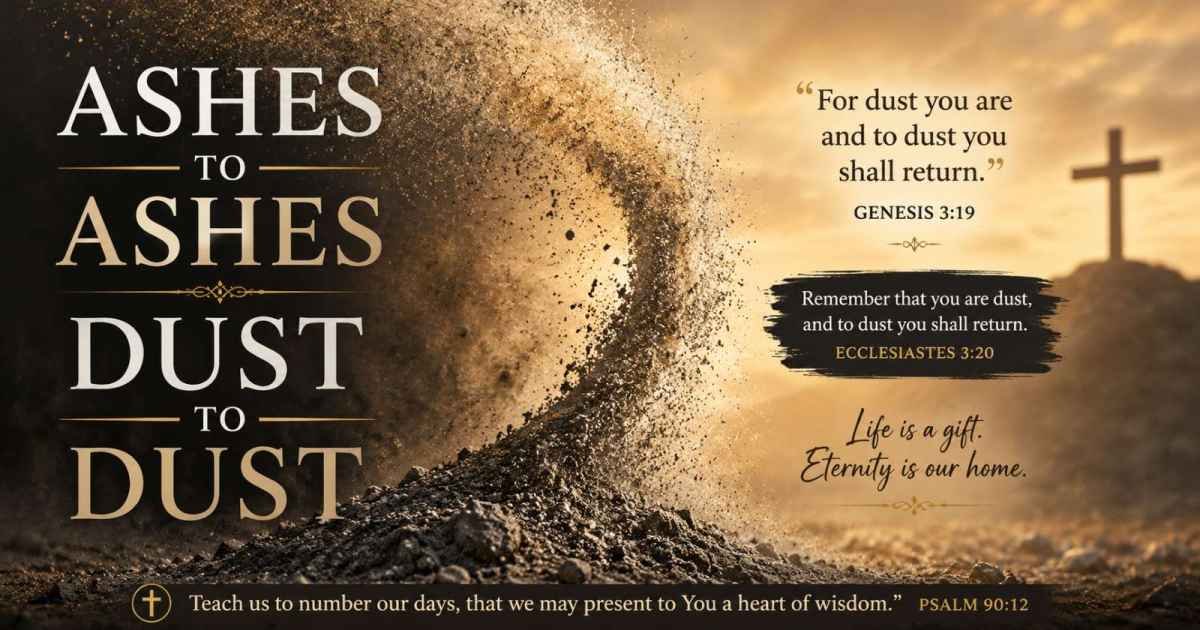
The phrase “ashes to ashes, dust to dust“ is one of the most recognizable expressions associated with funerals, remembrance services, and Christian traditions. It reminds us of the temporary nature of human life while pointing to the hope of eternal life found in God. Even in 2026, this timeless phrase continues to offer comfort to grieving families and serves as a powerful reminder of humility, mortality, and faith.
Although many people assume the exact words appear in the Bible, the phrase is actually inspired by biblical teachings and became widely known through the Book of Common Prayer used in Christian funeral services. Understanding its true origin provides a deeper appreciation of its enduring spiritual message.
In this guide, we’ll explore the meaning of “ashes to ashes, dust to dust,” its biblical roots, historical origin, and why it remains relevant today.
What Does “Ashes to Ashes, Dust to Dust” Mean?
The expression “ashes to ashes, dust to dust” symbolizes the cycle of human life. It acknowledges that every person is formed from the earth and, after death, returns to it.
Spiritually, the phrase teaches several important truths:
- Human life on earth is temporary.
- Death is a natural part of the human experience.
- God is the Creator and Sustainer of life.
- Our hope extends beyond physical death through faith in God.
- Humility is essential because all people share the same earthly origin.
Rather than expressing hopelessness, the phrase encourages believers to place their trust in God’s eternal promises rather than worldly possessions or achievements.
The Biblical Origin of “Dust to Dust”
While the complete phrase “ashes to ashes, dust to dust” is not found word-for-word in the Bible, it is based on several biblical passages.
Genesis 3:19
One of the most important verses says:
“For dust you are and to dust you will return.”
These words were spoken by God to Adam after humanity’s fall into sin. The verse reminds humanity of its earthly origin and mortality.
Ecclesiastes 3:20
“All go to the same place; all come from dust, and to dust all return.”
This verse reinforces the reality that every human being shares the same physical destiny.
Ecclesiastes 12:7
“And the dust returns to the ground it came from, and the spirit returns to God who gave it.”
This passage beautifully balances physical mortality with the enduring spiritual nature of humanity.
Together, these Scriptures form the biblical foundation behind the well-known funeral expression.
Where Did the Phrase “Ashes to Ashes” Come From?
The familiar wording became widely known through the Book of Common Prayer, first published by the Church of England in 1549 and later revised in 1662.
During traditional Christian burial services, the minister would say:
“Earth to earth, ashes to ashes, dust to dust.”
These words accompany the committal of the body, expressing the belief that the body returns to the earth while entrusting the soul to God’s care.
Over time, the shortened phrase “ashes to ashes, dust to dust” became deeply associated with Christian funerals, memorial services, and expressions of remembrance around the world.
The Spiritual Meaning Behind the Phrase
Beyond its connection with funerals, “ashes to ashes, dust to dust” carries profound spiritual lessons that continue to inspire believers.
1. Life Is Temporary
The phrase reminds us that earthly life is brief and should be lived with wisdom, compassion, and gratitude.
2. God Is the Creator
According to Scripture, humanity was formed from the dust of the ground. Every life is therefore a gift from God.
3. Humility Before God
No matter one’s wealth, status, or accomplishments, every person ultimately shares the same earthly origin and destiny.
4. Hope Beyond Death
For Christians, physical death is not the end. The Bible teaches the hope of resurrection and eternal life through Jesus Christ.
5. The Value of Faith
The phrase encourages believers to focus on eternal values rather than temporary worldly success.
Why Ashes Symbolize More Than Death in the Bible
Throughout Scripture, ashes represent more than mortality. They often symbolize repentance, humility, grief, and renewal.
Examples include:
- Individuals sitting in ashes as a sign of mourning.
- People covering themselves with ashes during repentance.
- Prophets calling people to repentance with sackcloth and ashes.
- God’s promise to replace “ashes with beauty” as a symbol of restoration and hope.
These biblical images show that ashes are not merely symbols of death but also of transformation and spiritual renewal.
How the Phrase Is Used Today
In 2026, “ashes to ashes, dust to dust” continues to be used in many settings beyond traditional funerals.
Common uses include:
- Christian funeral services
- Memorial ceremonies
- Graveside burials
- Ash scattering ceremonies
- Reflections on mortality
- Poetry and literature
- Inspirational messages about life and faith
The phrase also appears in art, music, films, and literature as a reminder of life’s fragility and the importance of living with purpose.
Lessons We Can Learn in 2026
Although written centuries ago, the message behind “ashes to ashes, dust to dust” remains deeply relevant.
Modern life often emphasizes achievement, possessions, and status. This timeless expression encourages people to remember what truly matters.
Important life lessons include:
- Life is precious and should never be taken for granted.
- Every day is an opportunity to love, forgive, and serve others.
- Faith provides hope during grief and loss.
- Humility helps build stronger relationships and character.
- God’s promises extend beyond earthly life.
For many believers, these truths bring peace during difficult seasons and remind them that their ultimate hope rests in God’s eternal kingdom.
Final Thoughts
The phrase “ashes to ashes, dust to dust“ has endured for centuries because it captures both the reality of human mortality and the hope of eternal life. While the exact wording comes from the Book of Common Prayer, its message is firmly rooted in biblical passages such as Genesis 3:19, Ecclesiastes 3:20, and Ecclesiastes 12:7.
In 2026, these words continue to offer comfort at funerals, inspire personal reflection, and encourage believers to live with faith, humility, and purpose. They remind us that although our physical bodies return to the earth, God’s love and promises remain eternal.
Ultimately, “ashes to ashes, dust to dust” is not simply a statement about death—it is a profound reminder of God’s sovereignty, the value of every human life, and the enduring hope found through faith. By understanding its biblical roots and spiritual significance, readers can appreciate why this timeless expression continues to resonate across generations.
culture
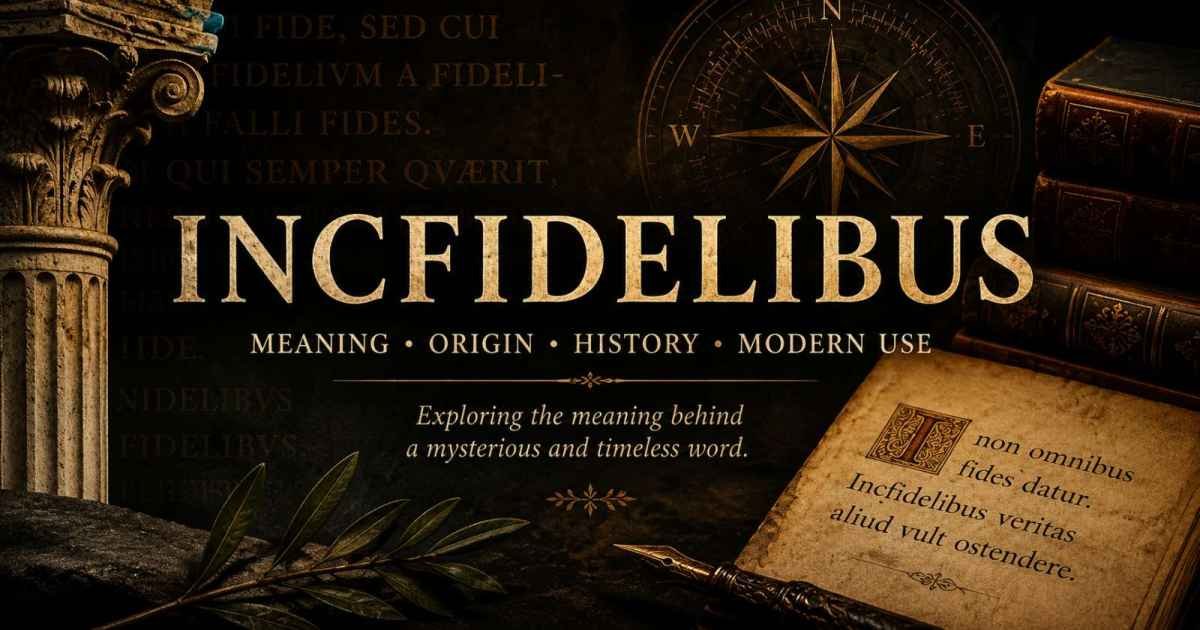
Incfidelibus : The Complete Guide to Meaning, History, Modern Usage, and Why It Still Matters


 Techknology3 months ago
Tracqueur: The Complete Guide to Modern Tracking Technology
- Business3 months ago
Suhaib Zaino: Biography, Career, Background, and Public Profile
- Lifestyle3 months ago
Wolverhampton Tips: The Ultimate Local’s Guide to the West Midlands Gem
- Tech2 months ago
The Ultimate Guide to Capital IQ: Features, Benefits, and How It Compares to Competitors for Financial Intelligence
- Tech3 months ago
Repmold: The Future of Rapid Mold Manufacturing and Prototyping
- Fashion3 months ago
Janet Lee Constantine: The Private Life, Family, and Legacy of Leon Russell’s Devoted Wife
- Tech2 months ago
CreditFresh Review 2026: Is This Line of Credit a Smart Choice or a Costly Trap?
- Game2 months ago
Wheon: The Digital Neighborhood for Retro Gamers and the Rise of a Controversial Figure