
Connect with us

Sports

The Ultimate Guide to the TJFA: Europe’s Largest Junior Football Alliance

Published

on

tjfa

Europe’s Largest Junior Football Alliance
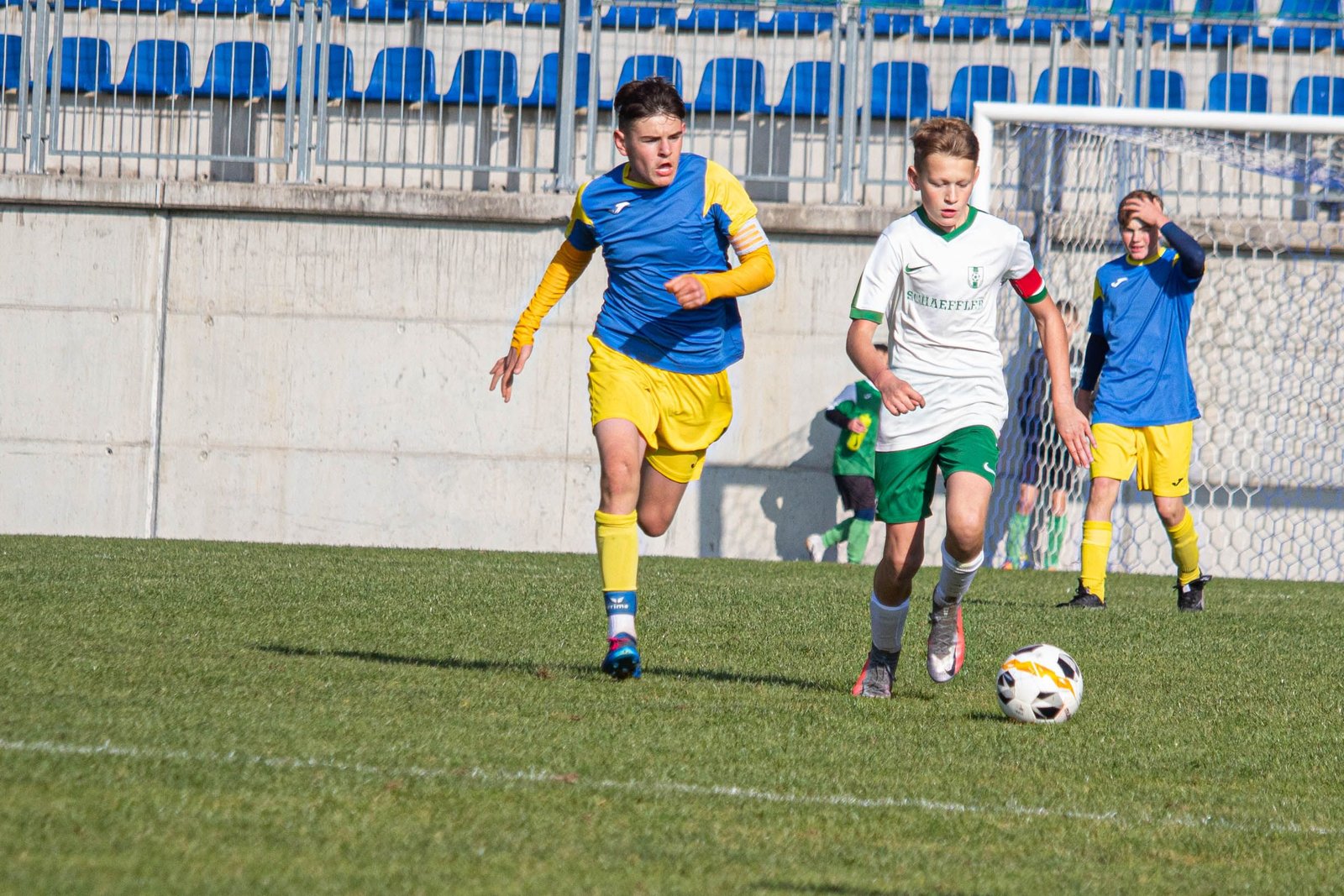
The world of youth football is a vibrant tapestry of passion, community, and the raw potential of future stars. At the heart of this ecosystem, particularly in the North East of England, lies a powerhouse often known by its acronym: the TJFA. While these four letters might appear in various contexts globally, for thousands of young athletes, coaches, and families, they represent the pinnacle of grassroots football. The Teesside Junior Football Alliance stands as a monumental force in the sport, shaping the lives of millions and providing a structured pathway for young talent. This guide delves deep into the heart of the TJFA, exploring its significance, its scale, and why it remains a cornerstone of English football. Whether you are a parent looking for a club, a player aiming for the top, or simply a football enthusiast, understanding the TJFA is to understand the very lifeblood of the beautiful game at a community level.

What is the TJFA? Unpacking the Acronym

To truly appreciate the scale and importance of this organization, one must first understand what the letters TJFA stand for. In the context of English football, particularly within the North East, TJFA is the widely recognized abbreviation for the Teesside Junior Football Alliance . It is crucial to distinguish this meaning from other interpretations. For instance, in other parts of the world or different professional fields, TJFA can occasionally refer to other entities, such as “The Japanese Football Association”  or even specific airport codes and personal names in Puerto Rico . However, when discussing grassroots football development and youth leagues in England, the meaning is unequivocally the Teesside Junior Football Alliance. This organization is not just a league; it is a massive community of clubs, volunteers, and families dedicated to fostering the next generation of footballers. The Alliance provides a structured, competitive, and nurturing environment for players ranging from as young as eight years old up to the age of eighteen . For many in the region, the initials TJFA are synonymous with Saturday and Sunday mornings spent on pitches, the sound of cheering parents, and the relentless pursuit of glory on the local stage.

The Scale of the TJFA: Numbers That Define a Giant

The Teesside Junior Football Alliance is not merely a local league; it holds the prestigious title of being the largest junior football league in Europe . This is not a claim made lightly, and the statistics behind this assertion are staggering. Every weekend during the football season, the TJFA orchestrates the participation of over 550 teams . To put this into perspective, this involves nearly 8,000 young footballers taking to the pitch week in and week out .

The scale of the logistics involved in organizing such a massive operation is immense, involving countless volunteers, referees, and coordinators. The league’s geographical footprint is also extensive, covering a wide area that stretches from Whitby in the east to Barnard Castle in the west, and from Northallerton in the south to Bishop Auckland in the north . This vast reach ensures that the TJFA serves as a central hub for youth football across a significant portion of the North East. The sheer number of participants underscores the vital role the Alliance plays in the community, providing a structured sporting outlet for thousands of children and teenagers. It is a testament to the enduring popularity of football and the dedication of the local community to nurturing young talent. The infrastructure required to support this many teams, from pitch maintenance to referee assignments and results coordination, is a monumental undertaking that operates with remarkable efficiency.

The TJFA as a Pathway to Professional Football

Beyond its impressive size, the Teesside Junior Football Alliance is significant for its role as a feeder system to the professional ranks. The league is a breeding ground for talent, and its reputation for producing skilled players is well-established. Many young players who have graced the pitches of the TJFA have gone on to have highly successful professional careers. Notably, players like David Wheater, Tony McMahon, and Andrew Taylor all began their footballing journeys within the TJFA before advancing to play for Middlesbrough Football Club . This pipeline from the grassroots level to the professional stadiums is the lifeblood of English football. The TJFA provides the essential platform where raw talent is discovered, nurtured, and tested in a competitive environment.

The league’s focus on development is not just about winning; it is about instilling discipline, teamwork, and a deep understanding of the game. For ambitious young players, performing well in the TJFA is the first step towards attracting the attention of professional scouts. The exposure and competitive pressure provided by the league are invaluable in preparing players for the demands of professional academies and, eventually, first-team football. The success stories of former TJFA players serve as a powerful inspiration for the 8,000 children currently participating, demonstrating that the path to the top often begins on the local pitches of Teesside and its surrounding areas . The Alliance is not just a league; it is a vital institution in the football ecosystem, bridging the gap between amateur grassroots football and the professional game.

The Core Mission: Development and Analysis

While competition is a central component of the TJFA, the core mission extends far beyond the scoreline. There is a growing emphasis on player development, which is where the concept of “analysis” comes into play. In modern football, the use of data and analytical tools is no longer confined to the professional game. Youth leagues, like the TJFA, are increasingly adopting these methods to enhance player growth. In this context, TJFA also represents a commitment to “Analysis & Development” . This approach involves creating teams specifically dedicated to analyzing performance, not just for tactical outcomes but for individual player development.

The focus is on using data as a “second eye” to improve coaching and accelerate the growth of young players. The goal is to shift the curve of a player’s development, ensuring that each training session and match is used to its maximum potential . The philosophy is that by implementing a high-tempo cycle of planning, action, review, and adjustment—much like a rapid PDCA cycle—players can achieve far more than they would through traditional methods . It’s about taking players who may feel they are in a disadvantaged position and empowering them to achieve a “turnaround” . The use of technology, such as GPS trackers and performance data, allows coaches to move beyond subjective feelings and make decisions based on concrete data, enhancing the quality of the learning experience .

The TJFA Community: More Than Just a League

Ultimately, the success and longevity of the Teesside Junior Football Alliance are built upon its community. The league is a tapestry woven from the efforts of dedicated volunteers, from the “kit washer to the star striker” . Clubs like Fishburn Boys FC, established to give village children a chance to play, and Trimdon United FC, with its deep local traditions, are the fabric of the Alliance . The story of Redcar Town Juniors FC, which expanded to 16 teams thanks to local support and new facilities, highlights how the TJFA facilitates growth and opportunity . The league also recognizes the essential role of volunteers, with initiatives like the “Recognition Award” handed out by BBC Tees’ Ali Brownlee to honor those who do the most for their teams . It is this spirit of community, volunteerism, and shared passion that makes the TJFA the vibrant, expansive institution it is today.


Frequently Asked Questions (FAQs)

Q1: What does the abbreviation TJFA stand for?

A: In the context of youth football in England, particularly in the North East, TJFA stands for Teesside Junior Football Alliance . While it can have other meanings, such as The Japanese Football Association, this is the most common and significant definition in this context .

Q2: How many teams participate in the TJFA?

A: The Teesside Junior Football Alliance is recognized as Europe’s largest junior football league. Every weekend, it manages the participation of over 550 teams .

Q3: How many young footballers play in the TJFA?

A: With over 550 teams, the league involves close to 8,000 young footballers each week, ranging in age from 8 to 18 years old .

Q4: What area does the TJFA cover?

A: The league covers a wide geographical area in the North East of England, ranging from Whitby in the east to Barnard Castle in the west, and from Northallerton in the south to Bishop Auckland in the north .

Q5: Have any professional players come from the TJFA?

A: Yes, the TJFA has a proud history of producing professional talent. Players including David Wheater, Tony McMahon, and Andrew Taylor are notable examples who played in the league before going on to represent Middlesbrough FC .

Q6: What is the philosophy behind “TJFA” in terms of development?

A: Beyond the league structure, “TJFA” can also represent an approach that heavily emphasizes analysis and development . This philosophy involves using data and video analysis to accelerate individual player growth, focusing on improving the quality of training and matches to facilitate a “turnaround” in performance .

Continue Reading

Sports

Thornbury RFC: The Complete Guide to the Historic Rugby Club, Teams, Facilities, and Community
Published

on

Thornbury RFC: The Complete Guide to the Historic Rugby Club, Teams, Facilities, and Community

Thornbury RFC is one of the South West of England’s most respected community rugby clubs. Located in Thornbury, South Gloucestershire, the club has built a strong reputation for competitive rugby, outstanding youth development, and a welcoming environment for players of all ages and abilities.

Whether you’re a new supporter, aspiring player, parent, or rugby enthusiast, this comprehensive 2026 guide explains everything you need to know about Thornbury Rugby Football Club, including its history, teams, facilities, achievements, and why it continues to thrive.


The History of Thornbury RFC

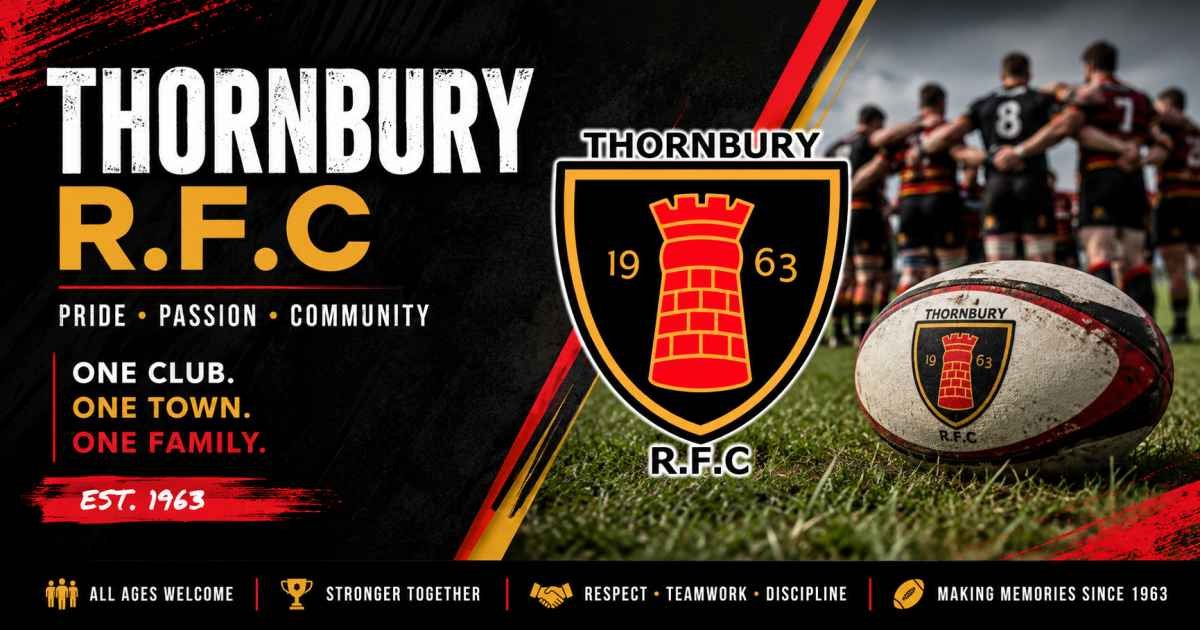
Thornbury Rugby Football Club (RFC) was officially established in 1963 by a small group of rugby enthusiasts determined to bring organized rugby union back to the town. However, rugby’s roots in Thornbury stretch much further back, with records showing local rugby activity as early as the 1880s.

Since its formation, the club has grown from a single men’s team into a modern rugby organization featuring:

  • Senior Men’s squads
  • Women’s rugby
  • Junior and Mini rugby
  • Colts teams
  • Veterans rugby
  • Community rugby programs

Today, Thornbury RFC remains affiliated with the RFU, Gloucestershire RFU, and Bristol & District Combination, continuing its tradition of developing rugby talent across generations.


Where Is Thornbury RFC Located?

The club is based at Rockhampton Road, Thornbury, South Gloucestershire (BS35 1LG), where players and supporters enjoy excellent rugby facilities.

The venue includes:

  • Multiple rugby pitches
  • Modern clubhouse
  • Changing rooms
  • Bar and social facilities
  • Training areas
  • Match-day spectator space
  • Parking

The clubhouse serves as the heart of the local rugby community, hosting matches, social events, club celebrations, and meetings throughout the year.


Senior Rugby, Women’s Teams, and Youth Development

One of Thornbury RFC‘s greatest strengths is its comprehensive player pathway.

Senior Men’s Rugby

The men’s section regularly competes in regional RFU competitions while maintaining both First XV and Second XV squads. Recent club updates for the 2026–27 season announced new league opponents and fixtures as preparations continued for another competitive campaign.

Women’s Rugby

Women’s rugby has experienced significant growth at Thornbury RFC.

The women’s team competes regularly, attracting new players and helping expand female participation within the club.

Mini and Junior Rugby

The youth section is among the club’s proudest achievements.

Young players can begin rugby at an early age through structured coaching that emphasizes:

  • teamwork
  • discipline
  • respect
  • fitness
  • enjoyment

Many local players progress from junior rugby into senior squads, strengthening the club’s long-term future.

Colts Rugby

Older youth players continue their development through the Colts programme before transitioning into senior rugby.


Training, Coaching, and Player Development

Thornbury RFC places strong emphasis on quality coaching.

Training sessions typically include:

  • Skills development
  • Strength and conditioning
  • Game strategy
  • Defensive organization
  • Set-piece practice
  • Match preparation

According to club information, training is generally held on Tuesday and Thursday evenings, with new players always welcome to attend and experience the club environment.

The coaching philosophy focuses on developing confident players while maintaining rugby’s core values of:

  • Respect
  • Discipline
  • Teamwork
  • Sportsmanship
  • Continuous improvement

Club Culture and Community Spirit

While competitive rugby remains important, Thornbury RFC is equally recognized for its welcoming community atmosphere.

Throughout the year, members enjoy:

  • Club dinners
  • Fundraising events
  • Family days
  • Social evenings
  • Volunteer activities
  • Youth celebrations
  • Community partnerships

Volunteers are essential to the club’s continued success, contributing as coaches, administrators, referees, event organizers, grounds staff, and supporters.

The club also promotes equal opportunities and inclusion, encouraging participation regardless of age, gender, ethnicity, ability, or background in line with RFU principles.


2026 Season Updates and Future Goals

The 2026–27 season brings renewed optimism for Thornbury RFC.

Recent club announcements include:

  • Henry Low appointed as club captain
  • Release of 2026–27 league fixtures
  • New league opponents
  • Continued development of senior and junior programmes
  • Ongoing investment in player development and club facilities

Looking ahead, the club aims to:

  • Build stronger senior squads
  • Increase youth participation
  • Grow women’s rugby
  • Improve coaching pathways
  • Strengthen community engagement
  • Maintain long-term financial sustainability

These objectives position Thornbury RFC well for continued success both on and off the field.


Why Thornbury RFC Remains One of the South West’s Best Community Rugby Clubs

Several qualities distinguish Thornbury RFC from many grassroots clubs:

  • Over six decades of rugby tradition
  • Strong youth development programme
  • Inclusive community culture
  • Competitive senior rugby
  • Growing women’s section
  • Excellent volunteer support
  • Modern facilities
  • Experienced coaching staff
  • Active social calendar
  • Commitment to player welfare

The club successfully balances competitive ambition with community values, making it an attractive destination for players of all ages and abilities.

Conclusion

Thornbury RFC continues to demonstrate why community rugby remains such an important part of English sport. Since its official founding in 1963, the club has evolved into a respected organization that combines competitive rugby, excellent coaching, inclusive values, and strong local support.

Whether you’re interested in joining as a player, supporting on match days, volunteering, or introducing a child to rugby, Thornbury Rugby Football Club offers opportunities for everyone. With exciting plans for the 2026 season, dedicated volunteers, and a thriving rugby culture, Thornbury RFC looks set to remain one of the South West’s leading grassroots rugby clubs for many years to come.

Continue Reading

Sports

Brook House FC (Guide): History, Teams, Facilities, Community Impact, and Future Growth

Published

on

Brook House FC (Guide): History, Teams, Facilities, Community Impact, and Future Growth

Brook House FC is a respected grassroots football club known for its dedication to player development, community engagement, and competitive football. While it may not compete in England’s top professional divisions, Brook House FC has earned a strong reputation by providing opportunities for players of all ages to enjoy, learn, and progress in the game.

In 2026, searches for Brook House FC, Brook House Football Club fixtures, Brook House FC youth teams, Brook House FC league, and Brook House FC trials continue to increase as more football enthusiasts discover the club’s commitment to developing local talent.

This complete guide explores Brook House FC’s history, teams, facilities, coaching philosophy, community programs, league participation, and ambitions for the future.


The History of Brook House FC

Brook House FC has built its identity around the values of teamwork, sportsmanship, discipline, and community involvement. Like many successful grassroots clubs across England, the club was established to provide local footballers with a structured environment where they could develop both on and off the pitch.

Over the years, Brook House FC has expanded its football activities by introducing additional youth age groups, strengthening coaching standards, and improving its facilities. The club’s continued growth reflects the increasing demand for organized football opportunities within its local community.

Although grassroots football often operates with limited financial resources, Brook House FC has continued to thrive thanks to dedicated volunteers, coaches, sponsors, parents, and loyal supporters who contribute to the club’s success.


Brook House FC Teams and Player Development

One of the biggest strengths of Brook House FC is its comprehensive player development pathway.

The club typically offers opportunities for footballers across various age groups, creating a structure that allows young players to progress as their skills improve.

Common team categories include:

  • Mini football teams
  • Junior squads
  • Youth development teams
  • Senior men’s football
  • Recreational football
  • Community training sessions

The coaching philosophy emphasizes:

  • Technical ability
  • Tactical understanding
  • Physical fitness
  • Teamwork
  • Respect for opponents
  • Positive attitude
  • Leadership skills
  • Confidence building

Players are encouraged to enjoy football while developing the qualities needed to compete at higher levels.


Home Ground and Club Facilities

A welcoming football environment is essential for player development, and Brook House FC continues working to provide quality facilities for its members.

Depending on the team’s age group and league participation, matches and training sessions are held on well-maintained pitches designed for competitive and recreational football.

Typical club facilities include:

  • Grass football pitches
  • Training areas
  • Changing rooms
  • Clubhouse
  • Spectator viewing areas
  • Equipment storage
  • Parking facilities
  • Refreshment services during matchdays

The club continually seeks improvements through fundraising initiatives, sponsorship, and community partnerships to enhance the overall experience for players and supporters.


League Participation and Competitive Football

Brook House FC competes in organized football leagues and local cup competitions, giving players valuable match experience throughout the season.

League participation provides opportunities to:

  • Develop competitive skills
  • Gain tactical experience
  • Improve teamwork
  • Build confidence
  • Face different styles of play
  • Learn discipline under pressure

Throughout each season, teams participate in:

  • League fixtures
  • Cup competitions
  • Friendly matches
  • Development tournaments
  • End-of-season events

Success is measured not only by league positions but also by player improvement, team spirit, and long-term development.


Coaching Philosophy and Youth Development

Developing players both on and off the pitch remains a central objective of Brook House FC.

Qualified coaches work with players to improve all aspects of their game while encouraging positive attitudes and respect for teammates, referees, and opponents.

Training sessions often focus on:

Technical Skills

Players improve passing, dribbling, ball control, shooting, and defending through structured practice.

Tactical Awareness

Coaches teach positioning, movement, formations, and decision-making during matches.

Physical Development

Fitness, agility, coordination, speed, and endurance are incorporated into age-appropriate training.

Mental Strength

Young footballers learn resilience, confidence, teamwork, communication, and leadership through competitive football experiences.

This balanced approach helps players develop into well-rounded athletes while fostering a lifelong passion for the sport.


Brook House FC’s Role in the Community

Grassroots football clubs play an important role beyond the game itself, and Brook House FC is no exception.

The club helps strengthen community connections by providing a safe, inclusive, and supportive environment for participants of all backgrounds.

Community contributions include:

  • Youth football programs
  • Volunteer opportunities
  • Family-friendly matchdays
  • Local fundraising events
  • School partnerships
  • Community coaching sessions
  • Inclusive football initiatives
  • Charity support

Parents, volunteers, local businesses, and supporters all contribute to creating a positive football culture that benefits the wider community.


Why Brook House FC Continues to Grow

Several factors have contributed to Brook House FC‘s ongoing development in 2026.

Strong Coaching Standards

Dedicated coaches provide structured learning opportunities that help players improve throughout the season.

Inclusive Environment

The club welcomes players with varying experience levels, encouraging participation and enjoyment.

Community Support

Local volunteers, sponsors, and families provide essential support that allows the club to operate successfully.

Player Progression

Young footballers have opportunities to develop their skills, gain competitive experience, and progress through different age groups.

Positive Club Culture

Respect, teamwork, discipline, and sportsmanship remain core values that define Brook House FC.


The Future of Brook House FC

Looking ahead, Brook House FC aims to continue building on its strong foundations while expanding opportunities for future generations of footballers.

Key objectives include:

  • Growing youth participation
  • Improving football facilities
  • Recruiting additional qualified coaches
  • Expanding community partnerships
  • Increasing volunteer involvement
  • Developing girls’ and women’s football programs where applicable
  • Strengthening club sustainability
  • Enhancing player pathways into higher levels of competition

As grassroots football continues to evolve, clubs like Brook House FC remain essential in identifying talent, promoting healthy lifestyles, and strengthening local communities through sport.


Frequently Asked Questions About Brook House FC

What is Brook House FC?

Brook House FC is a community-based grassroots football club that focuses on player development, competitive football, and community engagement.

Does Brook House FC have youth teams?

Yes. The club supports youth development by offering teams and coaching opportunities across multiple age groups.

Can new players join Brook House FC?

In most cases, new players can register during open recruitment periods, subject to team availability and age requirements.

Does Brook House FC compete in league football?

Yes. Club teams participate in organized league competitions, local cups, and development tournaments throughout the football season.

How can parents support the club?

Parents often contribute by volunteering, assisting with fundraising, supporting matchdays, and encouraging young players throughout the season.


Final Thoughts

In 2026, Brook House FC continues to demonstrate why grassroots football remains the foundation of the sport. Through high-quality coaching, youth development, competitive league participation, and strong community involvement, the club provides an environment where players can grow both as footballers and individuals.

Whether you are searching for Brook House FC trials, learning about its teams, exploring its coaching philosophy, or considering joining the club, Brook House FC represents the values that make community football so important. With continued investment in facilities, volunteers, and player development, Brook House FC is well-positioned to inspire the next generation of footballers and remain a valued part of its local football community for years to come.

Continue Reading

Sports

Leek Town Football (Guide): History, Stadium, League, Players, and Why the Blues Continue to Rise
Published

on

Leek Town Football (Guide): History, Stadium, League, Players, and Why the Blues Continue to Rise

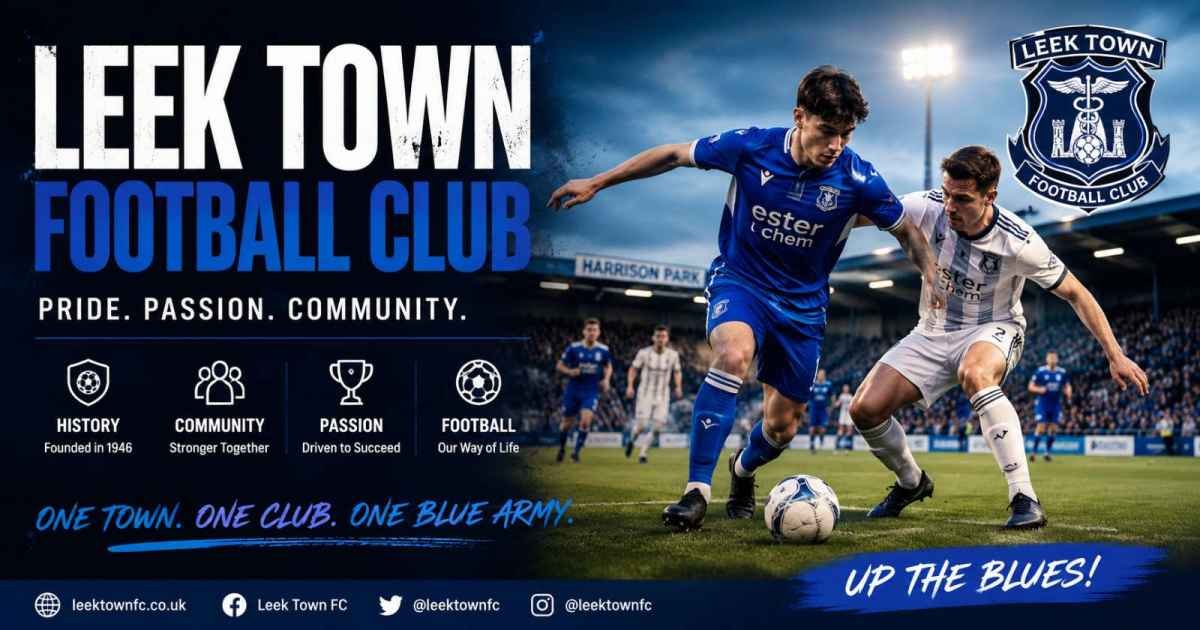
Leek Town Football Club, affectionately known as The Blues, is one of England’s respected non-league football clubs with a proud history dating back to 1946. Based in Leek, Staffordshire, the club has built a loyal fan base through decades of competitive football, memorable cup runs, and a strong commitment to community development.

In 2026, searches for Leek Town football, Leek Town FC fixtures, Leek Town stadium, Leek Town league, and Leek Town players continue to grow as supporters follow the club’s progress in English non-league football.

This complete guide covers everything you need to know about Leek Town Football, including its history, home ground, league structure, youth development, achievements, supporters, and future ambitions.


The History of Leek Town Football Club

Founded in 1946, Leek Town Football Club has become one of Staffordshire’s best-known non-league football institutions. Since its formation, the club has competed across several levels of the English football pyramid, earning a reputation for resilience, competitive spirit, and community involvement.

Throughout its history, Leek Town has experienced promotions, challenging seasons, and memorable cup campaigns that have helped shape the club’s identity. While reaching the professional leagues has remained a long-term ambition, the club has consistently demonstrated its ability to compete against strong opposition.

One of the defining characteristics of Leek Town is its commitment to sustainable growth. Rather than relying solely on financial investment, the club has emphasized youth development, experienced coaching, and strong local support.


Home Ground: Harrison Park

One of Leek Town’s greatest assets is Harrison Park, the club’s historic home stadium.

Located in Leek, Staffordshire, Harrison Park has hosted thousands of league matches, cup ties, and community events over the decades. The stadium provides an intimate matchday atmosphere where supporters are close to the action, creating an exciting environment for players and fans alike.

Key features of Harrison Park include:

  • Main seated stand
  • Covered terraces
  • Modern changing facilities
  • Hospitality areas
  • Clubhouse
  • Training facilities
  • Food and refreshment services
  • Family-friendly matchday experience

The stadium continues to receive improvements aimed at enhancing supporter comfort while meeting league requirements.


Which League Does Leek Town Play In?

As of 2026, Leek Town Football Club competes within the English non-league football pyramid, facing ambitious clubs from across the Midlands and Northern England.

English football operates through a pyramid system that allows clubs to earn promotion or face relegation based on performance each season.

Competing in non-league football requires consistency because clubs play demanding schedules featuring:

  • League fixtures
  • FA Cup qualifying rounds
  • FA Trophy matches
  • County competitions
  • Local cup tournaments

Promotion remains one of the club’s long-term objectives, with every successful season bringing Leek Town closer to higher levels of English football.


Players, Coaching Staff, and Club Development

A major strength of Leek Town Football Club is its focus on developing talented players while maintaining a competitive first-team squad.

The club combines:

  • Experienced senior players
  • Emerging young talent
  • Local footballers
  • Skilled coaching staff
  • Sports science support
  • Community volunteers

The coaching staff emphasizes:

  • Tactical discipline
  • Physical fitness
  • Technical development
  • Teamwork
  • Professional attitude

Young players often progress through local football before earning opportunities with the senior squad, helping maintain a strong connection between the club and the surrounding community.


Community Impact and Youth Football

Leek Town is much more than a football club. It serves as an important part of the local community by supporting football development at all ages.

Community initiatives include:

Youth Development

The club encourages children and teenagers to participate through organized football programs and coaching sessions.

School Partnerships

Leek Town regularly works alongside local schools to promote healthy lifestyles and participation in sport.

Volunteer Opportunities

Many matchday operations depend on dedicated volunteers who assist with hospitality, ticketing, maintenance, media, and club events.

Community Events

Beyond football, Harrison Park frequently hosts fundraising events, family activities, and local celebrations that strengthen community engagement.

This close relationship between the club and its supporters has helped create one of the strongest community cultures in non-league football.


Why Fans Love Leek Town Football

Supporters remain at the heart of Leek Town’s success.

Unlike many larger professional clubs, fans enjoy a more personal football experience where players, coaches, and supporters regularly interact before and after matches.

Reasons supporters continue following Leek Town include:

  • Affordable match tickets
  • Friendly family atmosphere
  • Passionate local supporters
  • Exciting non-league football
  • Strong community identity
  • Historic traditions
  • Competitive football
  • Accessible players and staff

Home matches at Harrison Park often create an energetic atmosphere filled with loyal supporters proudly backing The Blues throughout the season.


The Future of Leek Town Football in 2026 and Beyond

The future looks encouraging for Leek Town Football Club. Like many ambitious non-league clubs, Leek Town continues investing in facilities, youth development, coaching, and supporter engagement while striving for consistent success on the pitch.

Key priorities include:

  • Competing for promotion opportunities
  • Expanding youth development pathways
  • Improving club facilities
  • Growing commercial partnerships
  • Increasing matchday attendance
  • Strengthening digital engagement with supporters
  • Maintaining financial sustainability
  • Continuing community outreach programs

As English non-league football becomes increasingly competitive, clubs that balance sporting ambition with responsible management are best positioned for long-term success. Leek Town’s commitment to its supporters and local community provides a solid foundation for continued progress.


Frequently Asked Questions About Leek Town Football

When was Leek Town Football Club founded?

Leek Town Football Club was established in 1946 and has represented the town of Leek for decades.

What is Leek Town’s nickname?

The club is widely known as The Blues, reflecting its traditional team colors.

Where does Leek Town play?

The club plays its home matches at Harrison Park in Leek, Staffordshire.

Does Leek Town have youth football?

Yes. Youth development remains an important part of the club’s long-term strategy, providing opportunities for young players to develop their skills.

Does Leek Town participate in national cup competitions?

Yes. Depending on league qualification, the club competes in tournaments such as the FA Cup and FA Trophy, offering opportunities to face clubs from higher levels of English football.


Final Thoughts

In 2026, Leek Town Football Club continues to represent everything that makes English non-league football special. With a proud history stretching back to 1946, the club combines competitive football, community spirit, and player development to create an environment that supporters are proud to be part of.

Whether you’re researching the club’s history, planning your first visit to Harrison Park, following league results, or simply discovering non-league football, Leek Town FC offers an authentic football experience built on tradition, dedication, and local pride. As The Blues continue pursuing success both on and off the pitch, the club remains an important and respected name within England’s football landscape.

Continue Reading

Trending