
Sports
The Ultimate Guide to the TJFA: Europe’s Largest Junior Football Alliance


Sports
Thornbury RFC: The Complete Guide to the Historic Rugby Club, Teams, Facilities, and Community
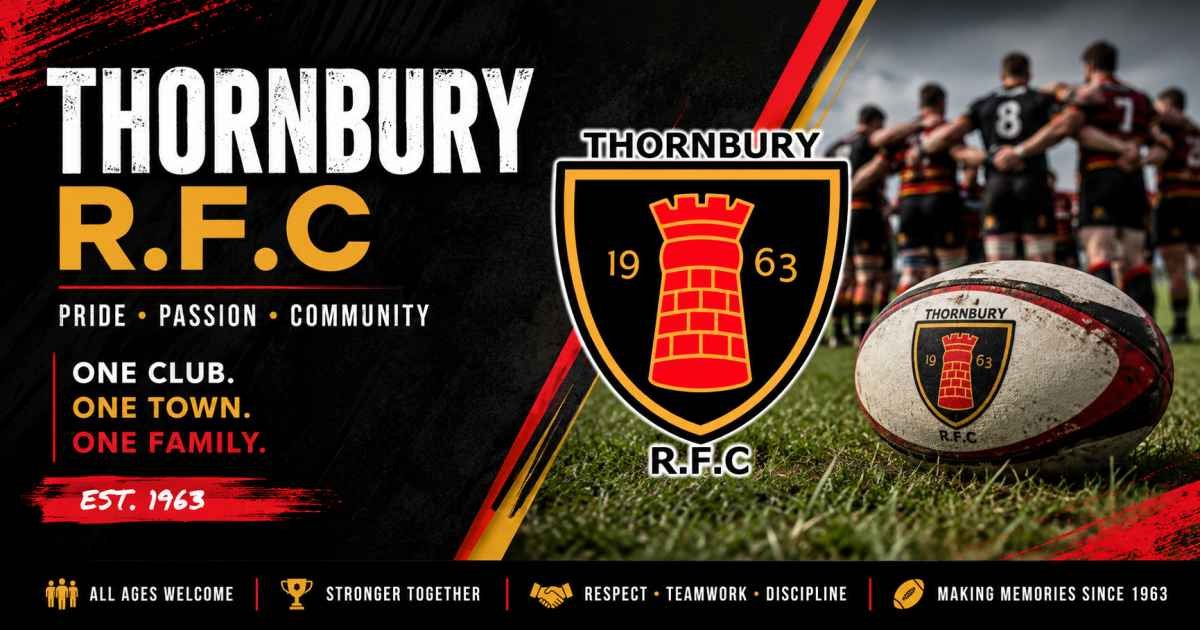
Thornbury RFC is one of the South West of England’s most respected community rugby clubs. Located in Thornbury, South Gloucestershire, the club has built a strong reputation for competitive rugby, outstanding youth development, and a welcoming environment for players of all ages and abilities.
Whether you’re a new supporter, aspiring player, parent, or rugby enthusiast, this comprehensive 2026 guide explains everything you need to know about Thornbury Rugby Football Club, including its history, teams, facilities, achievements, and why it continues to thrive.
The History of Thornbury RFC
Thornbury Rugby Football Club (RFC) was officially established in 1963 by a small group of rugby enthusiasts determined to bring organized rugby union back to the town. However, rugby’s roots in Thornbury stretch much further back, with records showing local rugby activity as early as the 1880s.
Since its formation, the club has grown from a single men’s team into a modern rugby organization featuring:
- Senior Men’s squads
- Women’s rugby
- Junior and Mini rugby
- Colts teams
- Veterans rugby
- Community rugby programs
Today, Thornbury RFC remains affiliated with the RFU, Gloucestershire RFU, and Bristol & District Combination, continuing its tradition of developing rugby talent across generations.
Where Is Thornbury RFC Located?
The club is based at Rockhampton Road, Thornbury, South Gloucestershire (BS35 1LG), where players and supporters enjoy excellent rugby facilities.
The venue includes:
- Multiple rugby pitches
- Modern clubhouse
- Changing rooms
- Bar and social facilities
- Training areas
- Match-day spectator space
- Parking
The clubhouse serves as the heart of the local rugby community, hosting matches, social events, club celebrations, and meetings throughout the year.
Senior Rugby, Women’s Teams, and Youth Development
One of Thornbury RFC‘s greatest strengths is its comprehensive player pathway.
Senior Men’s Rugby
The men’s section regularly competes in regional RFU competitions while maintaining both First XV and Second XV squads. Recent club updates for the 2026–27 season announced new league opponents and fixtures as preparations continued for another competitive campaign.
Women’s Rugby
Women’s rugby has experienced significant growth at Thornbury RFC.
The women’s team competes regularly, attracting new players and helping expand female participation within the club.
Mini and Junior Rugby
The youth section is among the club’s proudest achievements.
Young players can begin rugby at an early age through structured coaching that emphasizes:
- teamwork
- discipline
- respect
- fitness
- enjoyment
Many local players progress from junior rugby into senior squads, strengthening the club’s long-term future.
Colts Rugby
Older youth players continue their development through the Colts programme before transitioning into senior rugby.
Training, Coaching, and Player Development
Thornbury RFC places strong emphasis on quality coaching.
Training sessions typically include:
- Skills development
- Strength and conditioning
- Game strategy
- Defensive organization
- Set-piece practice
- Match preparation
According to club information, training is generally held on Tuesday and Thursday evenings, with new players always welcome to attend and experience the club environment.
The coaching philosophy focuses on developing confident players while maintaining rugby’s core values of:
- Respect
- Discipline
- Teamwork
- Sportsmanship
- Continuous improvement
Club Culture and Community Spirit
While competitive rugby remains important, Thornbury RFC is equally recognized for its welcoming community atmosphere.
Throughout the year, members enjoy:
- Club dinners
- Fundraising events
- Family days
- Social evenings
- Volunteer activities
- Youth celebrations
- Community partnerships
Volunteers are essential to the club’s continued success, contributing as coaches, administrators, referees, event organizers, grounds staff, and supporters.
The club also promotes equal opportunities and inclusion, encouraging participation regardless of age, gender, ethnicity, ability, or background in line with RFU principles.
2026 Season Updates and Future Goals
The 2026–27 season brings renewed optimism for Thornbury RFC.
Recent club announcements include:
- Henry Low appointed as club captain
- Release of 2026–27 league fixtures
- New league opponents
- Continued development of senior and junior programmes
- Ongoing investment in player development and club facilities
Looking ahead, the club aims to:
- Build stronger senior squads
- Increase youth participation
- Grow women’s rugby
- Improve coaching pathways
- Strengthen community engagement
- Maintain long-term financial sustainability
These objectives position Thornbury RFC well for continued success both on and off the field.
Why Thornbury RFC Remains One of the South West’s Best Community Rugby Clubs
Several qualities distinguish Thornbury RFC from many grassroots clubs:
- Over six decades of rugby tradition
- Strong youth development programme
- Inclusive community culture
- Competitive senior rugby
- Growing women’s section
- Excellent volunteer support
- Modern facilities
- Experienced coaching staff
- Active social calendar
- Commitment to player welfare
The club successfully balances competitive ambition with community values, making it an attractive destination for players of all ages and abilities.
Conclusion
Thornbury RFC continues to demonstrate why community rugby remains such an important part of English sport. Since its official founding in 1963, the club has evolved into a respected organization that combines competitive rugby, excellent coaching, inclusive values, and strong local support.
Whether you’re interested in joining as a player, supporting on match days, volunteering, or introducing a child to rugby, Thornbury Rugby Football Club offers opportunities for everyone. With exciting plans for the 2026 season, dedicated volunteers, and a thriving rugby culture, Thornbury RFC looks set to remain one of the South West’s leading grassroots rugby clubs for many years to come.

Sports
Leek Town Football (Guide): History, Stadium, League, Players, and Why the Blues Continue to Rise
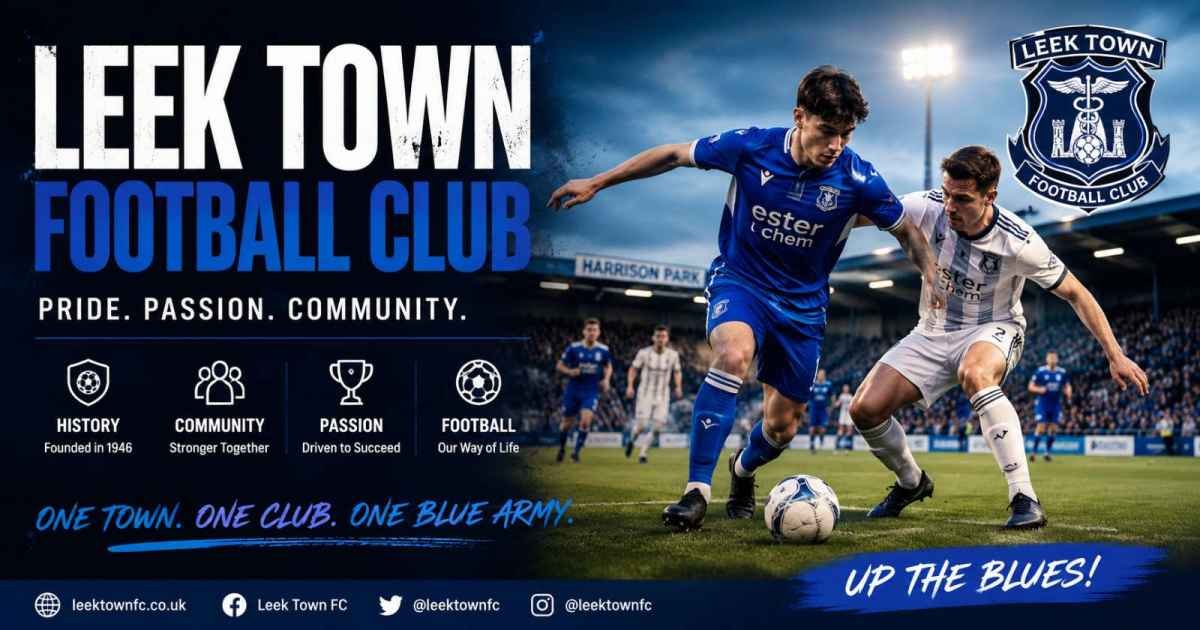
Leek Town Football Club, affectionately known as The Blues, is one of England’s respected non-league football clubs with a proud history dating back to 1946. Based in Leek, Staffordshire, the club has built a loyal fan base through decades of competitive football, memorable cup runs, and a strong commitment to community development.
In 2026, searches for Leek Town football, Leek Town FC fixtures, Leek Town stadium, Leek Town league, and Leek Town players continue to grow as supporters follow the club’s progress in English non-league football.
This complete guide covers everything you need to know about Leek Town Football, including its history, home ground, league structure, youth development, achievements, supporters, and future ambitions.
The History of Leek Town Football Club
Founded in 1946, Leek Town Football Club has become one of Staffordshire’s best-known non-league football institutions. Since its formation, the club has competed across several levels of the English football pyramid, earning a reputation for resilience, competitive spirit, and community involvement.
Throughout its history, Leek Town has experienced promotions, challenging seasons, and memorable cup campaigns that have helped shape the club’s identity. While reaching the professional leagues has remained a long-term ambition, the club has consistently demonstrated its ability to compete against strong opposition.
One of the defining characteristics of Leek Town is its commitment to sustainable growth. Rather than relying solely on financial investment, the club has emphasized youth development, experienced coaching, and strong local support.
Home Ground: Harrison Park
One of Leek Town’s greatest assets is Harrison Park, the club’s historic home stadium.
Located in Leek, Staffordshire, Harrison Park has hosted thousands of league matches, cup ties, and community events over the decades. The stadium provides an intimate matchday atmosphere where supporters are close to the action, creating an exciting environment for players and fans alike.
Key features of Harrison Park include:
- Main seated stand
- Covered terraces
- Modern changing facilities
- Hospitality areas
- Clubhouse
- Training facilities
- Food and refreshment services
- Family-friendly matchday experience
The stadium continues to receive improvements aimed at enhancing supporter comfort while meeting league requirements.
Which League Does Leek Town Play In?
As of 2026, Leek Town Football Club competes within the English non-league football pyramid, facing ambitious clubs from across the Midlands and Northern England.
English football operates through a pyramid system that allows clubs to earn promotion or face relegation based on performance each season.
Competing in non-league football requires consistency because clubs play demanding schedules featuring:
- League fixtures
- FA Cup qualifying rounds
- FA Trophy matches
- County competitions
- Local cup tournaments
Promotion remains one of the club’s long-term objectives, with every successful season bringing Leek Town closer to higher levels of English football.
Players, Coaching Staff, and Club Development
A major strength of Leek Town Football Club is its focus on developing talented players while maintaining a competitive first-team squad.
The club combines:
- Experienced senior players
- Emerging young talent
- Local footballers
- Skilled coaching staff
- Sports science support
- Community volunteers
The coaching staff emphasizes:
- Tactical discipline
- Physical fitness
- Technical development
- Teamwork
- Professional attitude
Young players often progress through local football before earning opportunities with the senior squad, helping maintain a strong connection between the club and the surrounding community.
Community Impact and Youth Football
Leek Town is much more than a football club. It serves as an important part of the local community by supporting football development at all ages.
Community initiatives include:
Youth Development
The club encourages children and teenagers to participate through organized football programs and coaching sessions.
School Partnerships
Leek Town regularly works alongside local schools to promote healthy lifestyles and participation in sport.
Volunteer Opportunities
Many matchday operations depend on dedicated volunteers who assist with hospitality, ticketing, maintenance, media, and club events.
Community Events
Beyond football, Harrison Park frequently hosts fundraising events, family activities, and local celebrations that strengthen community engagement.
This close relationship between the club and its supporters has helped create one of the strongest community cultures in non-league football.
Why Fans Love Leek Town Football
Supporters remain at the heart of Leek Town’s success.
Unlike many larger professional clubs, fans enjoy a more personal football experience where players, coaches, and supporters regularly interact before and after matches.
Reasons supporters continue following Leek Town include:
- Affordable match tickets
- Friendly family atmosphere
- Passionate local supporters
- Exciting non-league football
- Strong community identity
- Historic traditions
- Competitive football
- Accessible players and staff
Home matches at Harrison Park often create an energetic atmosphere filled with loyal supporters proudly backing The Blues throughout the season.
The Future of Leek Town Football in 2026 and Beyond
The future looks encouraging for Leek Town Football Club. Like many ambitious non-league clubs, Leek Town continues investing in facilities, youth development, coaching, and supporter engagement while striving for consistent success on the pitch.
Key priorities include:
- Competing for promotion opportunities
- Expanding youth development pathways
- Improving club facilities
- Growing commercial partnerships
- Increasing matchday attendance
- Strengthening digital engagement with supporters
- Maintaining financial sustainability
- Continuing community outreach programs
As English non-league football becomes increasingly competitive, clubs that balance sporting ambition with responsible management are best positioned for long-term success. Leek Town’s commitment to its supporters and local community provides a solid foundation for continued progress.
Frequently Asked Questions About Leek Town Football
When was Leek Town Football Club founded?
Leek Town Football Club was established in 1946 and has represented the town of Leek for decades.
What is Leek Town’s nickname?
The club is widely known as The Blues, reflecting its traditional team colors.
Where does Leek Town play?
The club plays its home matches at Harrison Park in Leek, Staffordshire.
Does Leek Town have youth football?
Yes. Youth development remains an important part of the club’s long-term strategy, providing opportunities for young players to develop their skills.
Does Leek Town participate in national cup competitions?
Yes. Depending on league qualification, the club competes in tournaments such as the FA Cup and FA Trophy, offering opportunities to face clubs from higher levels of English football.
Final Thoughts
In 2026, Leek Town Football Club continues to represent everything that makes English non-league football special. With a proud history stretching back to 1946, the club combines competitive football, community spirit, and player development to create an environment that supporters are proud to be part of.
Whether you’re researching the club’s history, planning your first visit to Harrison Park, following league results, or simply discovering non-league football, Leek Town FC offers an authentic football experience built on tradition, dedication, and local pride. As The Blues continue pursuing success both on and off the pitch, the club remains an important and respected name within England’s football landscape.


 Techknology3 months ago
Tracqueur: The Complete Guide to Modern Tracking Technology
- Business3 months ago
Suhaib Zaino: Biography, Career, Background, and Public Profile
- Lifestyle3 months ago
Wolverhampton Tips: The Ultimate Local’s Guide to the West Midlands Gem
- Tech2 months ago
The Ultimate Guide to Capital IQ: Features, Benefits, and How It Compares to Competitors for Financial Intelligence
- Tech3 months ago
Repmold: The Future of Rapid Mold Manufacturing and Prototyping
- Fashion3 months ago
Janet Lee Constantine: The Private Life, Family, and Legacy of Leon Russell’s Devoted Wife
- Tech2 months ago
CreditFresh Review 2026: Is This Line of Credit a Smart Choice or a Costly Trap?
- Game2 months ago
Wheon: The Digital Neighborhood for Retro Gamers and the Rise of a Controversial Figure