
Business
Suhaib Zaino: Biography, Career, Background, and Public Profile


Who Is Suhaib Zaino?
Suhaib Zaino is a legal professional based in Sheffield, England, according to his publicly available professional profile. He has developed experience within the legal sector while continuing to expand his expertise through certifications and professional training.
Many online searches attempt to associate his name with unverified stories involving entrepreneurship or celebrity relationships. However, those claims are not supported by authoritative public records. The most reliable information available centers on his education, legal career, volunteer activities, and professional development.
Early Life and Education
Public records show that Suhaib Zaino completed postgraduate legal studies at The University of Law, graduating with Distinction between 2021 and 2022. This academic achievement reflects a strong commitment to legal education and professional excellence.
Beyond formal education, he has continued developing his skills through recognized certifications. These include:
| Certification | Organization |
|---|---|
| Learn SQL Course | Codecademy |
| Westlaw UK Advanced Certification | Thomson Reuters |
| DELF French (B1) | French Ministry of Education |
These qualifications demonstrate interests extending beyond traditional legal studies into technology, legal research, and multilingual communication.
Professional Career
Suhaib Zaino‘s publicly available career history shows experience with CMS, an international law firm. His profile reflects progressive professional growth within the legal field while remaining active in continuing education.
Although detailed responsibilities are not publicly disclosed, his experience suggests involvement in legal services and client-focused work. His professional development also includes gaining technical skills such as SQL, highlighting an interest in combining legal expertise with digital knowledge.
Volunteer Experience
One notable aspect of Suhaib Zaino‘s background is his volunteer work during university.
His public profile lists several leadership and community positions, including:
- Receptionist at Kent Law Clinic
- Events Officer for Kent Student Law Society
- Student Representative at Kent Law School
These roles demonstrate leadership, communication, and organizational skills developed alongside his academic studies.
Languages and Skills
Suhaib Zaino possesses multilingual abilities that strengthen his professional profile.
According to publicly available information, he speaks:
- English (Native/Bilingual)
- Arabic (Native/Bilingual)
- French (Professional Working Proficiency)
Multilingual communication is increasingly valuable in international legal practice and demonstrates adaptability in multicultural environments.
Online Presence
Suhaib Zaino maintains a professional online presence primarily through LinkedIn, where his educational background, certifications, and career progression are documented. There are also public profiles under the same name on platforms such as World Chess, although these provide limited personal information and should not be confused with professional credentials.
As with many professionals, maintaining a limited public profile allows the focus to remain on career accomplishments rather than personal publicity.
Key Achievements
Some publicly verifiable highlights include:
- Graduated from The University of Law with Distinction.
- Professional experience within CMS.
- Earned SQL and Westlaw certifications.
- Professional proficiency in three languages.
- Held multiple leadership and volunteer roles during university.
- Received the 2020 Girlings Solicitors Prize for outstanding performance in Tort and Contract Law.
Conclusion
Suhaib Zaino represents a legal professional whose publicly available profile emphasizes education, continuous learning, and community involvement rather than media attention. Verified information shows strong academic credentials, professional legal experience, technical certifications, and volunteer leadership. While numerous unofficial websites publish speculative biographies, readers should rely on authoritative public sources when researching his background. Based on currently available information, his career reflects dedication to professional growth and legal excellence.
FAQs
1. Who is Suhaib Zaino?
Suhaib Zaino is a legal professional based in Sheffield, England, with education from The University of Law and experience in the legal sector.
2. Where does Suhaib Zaino work?
Publicly available information lists experience with CMS, an international law firm.
3. What qualifications does Suhaib Zaino have?
He earned a Distinction from The University of Law and holds certifications in SQL, Westlaw UK, and DELF French.
4. Which languages does Suhaib Zaino speak?
According to his public profile, he speaks English, Arabic, and French.
5. Is information on unofficial biography websites reliable?
Not always. Some sites contain unsupported or conflicting claims. Professional profiles and verified public records are generally more reliable sources.

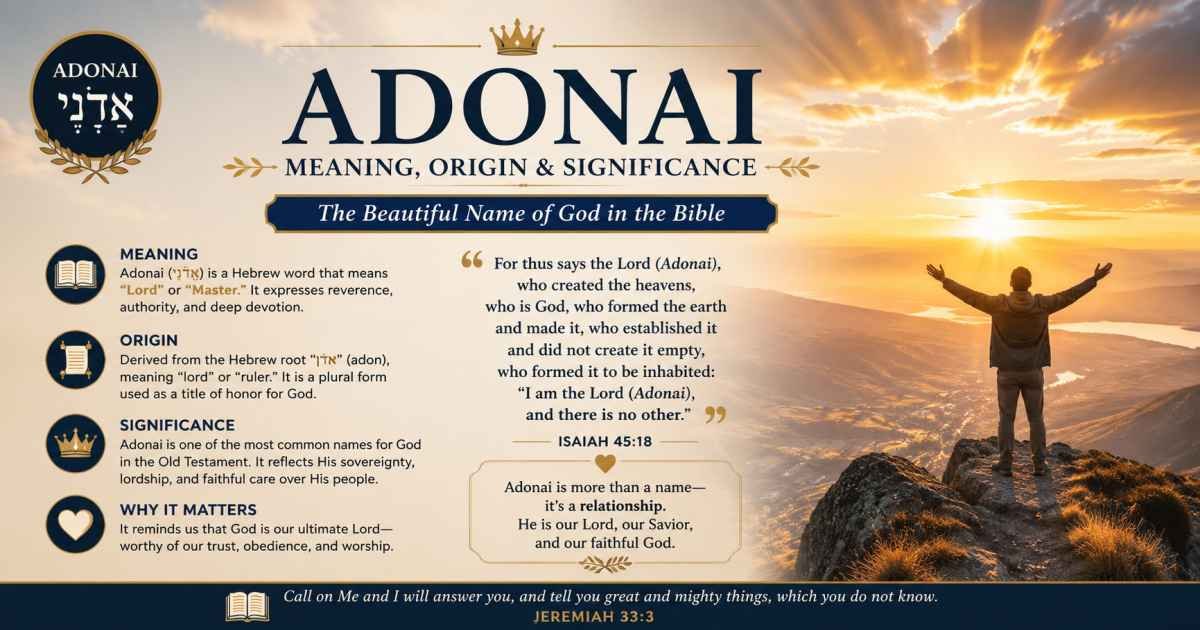
The word Adonai is one of the most powerful and meaningful names for God found in the Bible. For thousands of years, believers have used Adonai to express God’s authority, sovereignty, and lordship. In 2026, interest in the meaning of Adonai continues to grow as people study biblical Hebrew, deepen their faith, and explore the rich symbolism behind the names of God.
Unlike a personal name, Adonai is a title that emphasizes God’s supreme rule over creation. It reminds believers that God is the ultimate Master, King, and Lord who deserves worship, obedience, and complete trust.
This guide explains the meaning of Adonai, its biblical origins, pronunciation, scriptural significance, and how Christians and Jews understand this sacred title today.
What Does Adonai Mean?
The Hebrew word Adonai (אֲדֹנָי) literally means “Lord” or “My Lord.” It comes from the Hebrew root “Adon,” meaning master, owner, ruler, or lord. The ending “-ai” expresses respect and majesty, making Adonai a reverent title for God.
Throughout the Old Testament, Adonai emphasizes God’s position as:
- Supreme Lord
- Sovereign King
- Master of all creation
- Ruler over nations
- Protector of His people
For believers, calling God Adonai is an acknowledgment that He alone has ultimate authority over every aspect of life.
The Biblical Origin of Adonai
The title Adonai appears hundreds of times throughout the Hebrew Bible (Old Testament). It is frequently used in prayers, worship, prophecy, and conversations between God and His people.
One important reason for its use is its connection with God’s sacred covenant name, represented by the four Hebrew letters YHWH, often called the Tetragrammaton.
Out of deep reverence, Jewish tradition avoids pronouncing the divine name YHWH aloud during Scripture reading. Instead, readers traditionally say Adonai, meaning “Lord,” whenever they encounter the divine name in the biblical text.
This practice has continued for centuries and remains an important tradition in Jewish worship today.
Adonai in the Bible
The title Adonai appears in many significant passages that highlight God’s power, mercy, justice, and faithfulness.
Some well-known examples include:
Genesis 15:2
Abraham addresses God as “Adonai LORD” while discussing God’s promises concerning his descendants.
Psalm 8:1
“O LORD, our Lord, how majestic is your name in all the earth!”
This psalm celebrates God’s greatness and His authority over all creation.
Isaiah 6:1
The prophet Isaiah receives a vision of the Lord seated on His throne, emphasizing God’s holiness and sovereignty.
Psalm 110:1
This well-known messianic psalm speaks of God’s authority and is later quoted multiple times in the New Testament.
Throughout Scripture, Adonai consistently communicates that God reigns above kings, kingdoms, and the entire universe.
The Spiritual Meaning of Adonai
Understanding the meaning of Adonai goes beyond language. It teaches important spiritual truths that remain relevant for believers in 2026.
1. God Is the Supreme Authority
Calling God Adonai recognizes Him as the highest authority above governments, leaders, wealth, and human power.
2. God Is Worthy of Worship
The title reminds believers that worship belongs to God alone because He created and sustains all things.
3. God Guides His People
As Lord, God provides wisdom, direction, and purpose for those who trust Him.
4. God Protects and Cares
Adonai reflects not only authority but also loving leadership. Throughout Scripture, God cares for His people like a faithful shepherd.
5. God Deserves Obedience
Believers honor Adonai by following His teachings with humility, faith, and love.
Adonai Compared With Other Biblical Names of God
The Bible contains many names and titles that reveal different aspects of God’s character. While each highlights a unique attribute, they work together to provide a fuller understanding of who God is.
| Name | Meaning | Main Emphasis |
|---|---|---|
| Adonai | Lord, My Lord | God’s authority and sovereignty |
| Elohim | God | Creator and mighty power |
| El Shaddai | God Almighty | Strength, blessing, and provision |
| Jehovah Jireh | The Lord Will Provide | God’s faithful provision |
| Jehovah Rapha | The Lord Who Heals | Healing and restoration |
| Jehovah Shalom | The Lord Is Peace | Peace and wholeness |
| Jehovah Nissi | The Lord Is My Banner | Victory and protection |
Each name reveals another dimension of God’s relationship with humanity, but Adonai particularly emphasizes His rightful lordship over every believer’s life.
How Is Adonai Pronounced?
The most common English pronunciation is:
Ah-doh-NYE
The final syllable rhymes with the word “eye.”
In Hebrew worship, pronunciation may vary slightly depending on regional accents and liturgical traditions, but the meaning remains the same.
Because Adonai is regarded as a sacred title, it is traditionally spoken with reverence during prayer, worship, and Scripture reading.
Why Adonai Still Matters in 2026
Although written thousands of years ago, the title Adonai continues to inspire believers around the world.
In today’s fast-changing world, many people face uncertainty, anxiety, and difficult decisions. Remembering God as Adonai encourages believers to place their confidence in His eternal wisdom rather than temporary circumstances.
The title also reminds Christians and Jews alike that:
- God remains sovereign over history.
- His authority never changes.
- His promises remain faithful.
- He is worthy of trust in every season.
- Faith grows through surrender to God’s leadership.
Many churches include Adonai in worship songs, Bible studies, and prayers because it expresses both reverence and intimacy with God.
Final Thoughts
The meaning of Adonai is far more than simply the word “Lord.” It is a profound biblical title that declares God’s supreme authority, faithful leadership, and eternal sovereignty. From the earliest pages of the Old Testament to modern worship in 2026, Adonai has reminded believers that God is the rightful Master of heaven, earth, and every human heart.
Studying the name Adonai helps deepen biblical understanding while encouraging a life of faith, humility, and obedience. Whether encountered during personal Bible study, prayer, or worship, this sacred title points to a God who rules with justice, mercy, wisdom, and unfailing love.
For anyone seeking a richer understanding of the Bible, Adonai remains one of the most significant and inspiring names of God, inviting believers to trust His guidance, honor His authority, and worship Him with wholehearted devotion.
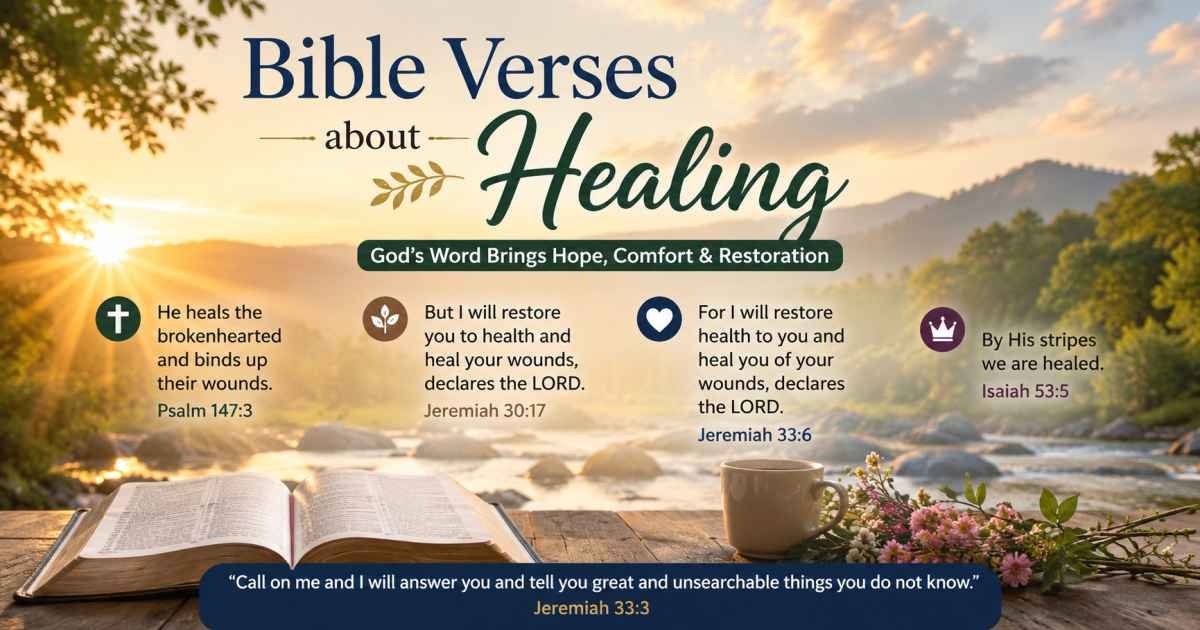
Healing is one of the most comforting themes found throughout the Bible. Whether you are seeking physical healing, emotional restoration, mental peace, or spiritual renewal, God’s Word offers encouragement, hope, and reassurance. In 2026, millions of people continue turning to Bible verses about healing for comfort during illness, grief, anxiety, and life’s many challenges.
While healing may not always happen in the way or timing we expect, Scripture consistently reminds believers that God is compassionate, faithful, and present through every season. These verses strengthen faith, encourage prayer, and remind us that God’s love never fails.
This guide explores some of the most meaningful healing Bible verses, their significance, and how they can encourage your daily walk with God.
Why Healing Is an Important Theme in the Bible
From Genesis to Revelation, healing appears as a powerful expression of God’s mercy and love. Throughout Scripture, God heals individuals through miracles, prayer, faith, and His divine power.
Biblical healing includes several dimensions:
- Physical healing from sickness or injury.
- Emotional healing from grief, fear, and brokenness.
- Mental healing from anxiety and despair.
- Spiritual healing through forgiveness and salvation.
- Relational healing that restores families and communities.
Jesus’ earthly ministry especially emphasized compassion toward the sick, demonstrating that God’s care extends to every part of human life.
Powerful Bible Verses About Healing
Here are some of the most inspiring Scriptures about healing that believers often turn to during difficult times.
Jeremiah 17:14
“Heal me, Lord, and I will be healed; save me and I will be saved, for you are the one I praise.”
This verse is a heartfelt prayer that recognizes God as the ultimate source of healing. It reminds believers that true healing comes from trusting the Lord.
Isaiah 53:5
“By his wounds we are healed.”
One of the most quoted healing passages, this prophecy points to Jesus Christ and the spiritual healing made possible through His sacrifice.
Psalm 147:3
“He heals the brokenhearted and binds up their wounds.”
Healing is not only physical. God also restores broken hearts, offering comfort after loss, disappointment, or emotional pain.
Exodus 15:26
“I am the Lord, who heals you.”
God reveals Himself as Jehovah Rapha, meaning “The Lord Who Heals.” This name reflects His loving nature and His desire to care for His people.
James 5:14–15
“Is anyone among you sick? Let them call the elders of the church to pray over them…”
This passage encourages believers to seek prayer, community support, and faith during illness.
Psalm 103:2–3
“Praise the Lord… who forgives all your sins and heals all your diseases.”
These verses celebrate God’s compassion, forgiveness, and healing power.
Matthew 11:28
“Come to me, all you who are weary and burdened, and I will give you rest.”
Although focused on spiritual rest, this verse offers tremendous encouragement to those struggling emotionally or physically.
3 John 1:2
“I pray that you may enjoy good health and that all may go well with you.”
This verse reflects God’s desire for overall well-being, including physical and spiritual health.
Healing Through Jesus Christ
The New Testament records numerous miracles performed by Jesus, demonstrating His compassion and divine authority.
Some well-known examples include:
- Healing the blind.
- Healing people with leprosy.
- Restoring those who could not walk.
- Healing the woman with the issue of blood.
- Raising the dead.
- Casting out unclean spirits.
These miracles reveal not only Christ’s power but also His compassion toward those who suffered.
Jesus often responded to faith, prayer, and sincere trust, showing that healing is closely connected with God’s loving relationship with His people.
How to Pray Using Bible Verses About Healing
Many Christians include Scripture in their daily prayers because God’s Word strengthens faith and provides encouragement.
A simple healing prayer may include these steps:
- Begin with gratitude, thanking God for His love and faithfulness.
- Read a healing Scripture aloud, such as Jeremiah 17:14 or Psalm 147:3.
- Present your request honestly, sharing your physical or emotional needs.
- Pray for wisdom for doctors, caregivers, and loved ones.
- Trust God’s timing, even if immediate healing does not come.
- End with thanksgiving, believing God continues working in every situation.
Praying Scripture helps believers focus on God’s promises instead of fear.
Bible Verses for Different Types of Healing
Different seasons of life call for different encouragement. Here are several healing categories along with helpful verses.
For Physical Healing
- Jeremiah 30:17
- James 5:14–15
- Psalm 103:2–3
- Isaiah 53:5
For Emotional Healing
- Psalm 147:3
- Matthew 11:28
- Philippians 4:6–7
- Psalm 34:18
For Strength During Illness
- Isaiah 41:10
- Deuteronomy 31:8
- Joshua 1:9
- Romans 8:28
For Peace and Comfort
- John 14:27
- Psalm 23
- Romans 15:13
- 2 Corinthians 1:3–4
These passages remind believers that God’s presence remains constant, regardless of circumstances.
What Bible Verses About Healing Teach Us in 2026
Today’s world continues to face health challenges, emotional stress, uncertainty, and personal struggles. For many believers, Bible verses about healing provide hope that extends beyond temporary circumstances.
Scripture teaches several timeless truths:
- God hears sincere prayers.
- Healing includes body, mind, and spirit.
- Faith brings hope even during suffering.
- God’s presence remains constant during hardship.
- Prayer strengthens trust and perseverance.
- The Christian community can offer encouragement and support through prayer and compassion.
While healing may come through miracles, medical treatment, emotional restoration, or spiritual growth, Christians believe that God works through many different means according to His wisdom.
Final Thoughts
Bible verses about healing continue to encourage millions of believers in 2026 because they reveal God’s enduring love, mercy, and compassion. Whether you are praying for yourself, a family member, or a friend, these Scriptures remind us that God is our source of hope, peace, and restoration.
Healing is often a journey rather than a single moment. Along that journey, God’s Word provides strength when we feel weak, comfort when we experience pain, and confidence that we are never alone. By reading, praying, and meditating on these powerful verses, believers can find renewed faith and encouragement in every season of life.
Ultimately, the Bible points us toward a God who cares deeply for His people, inviting everyone to trust Him with both their struggles and their hopes, knowing that His promises remain faithful through every generation.


 Techknology3 months ago
Tracqueur: The Complete Guide to Modern Tracking Technology
- Lifestyle3 months ago
Wolverhampton Tips: The Ultimate Local’s Guide to the West Midlands Gem
- Tech2 months ago
The Ultimate Guide to Capital IQ: Features, Benefits, and How It Compares to Competitors for Financial Intelligence
- Tech3 months ago
Repmold: The Future of Rapid Mold Manufacturing and Prototyping
- Fashion3 months ago
Janet Lee Constantine: The Private Life, Family, and Legacy of Leon Russell’s Devoted Wife
- Tech2 months ago
CreditFresh Review 2026: Is This Line of Credit a Smart Choice or a Costly Trap?
- Tech3 months ago
Meredith Schwarz: A Story of Quiet Strength, Professional Acumen, and Privacy
- Game2 months ago
Wheon: The Digital Neighborhood for Retro Gamers and the Rise of a Controversial Figure